
Nursing practice questions with comprehensive rationales
NurseDive Free Nursing Practice Question
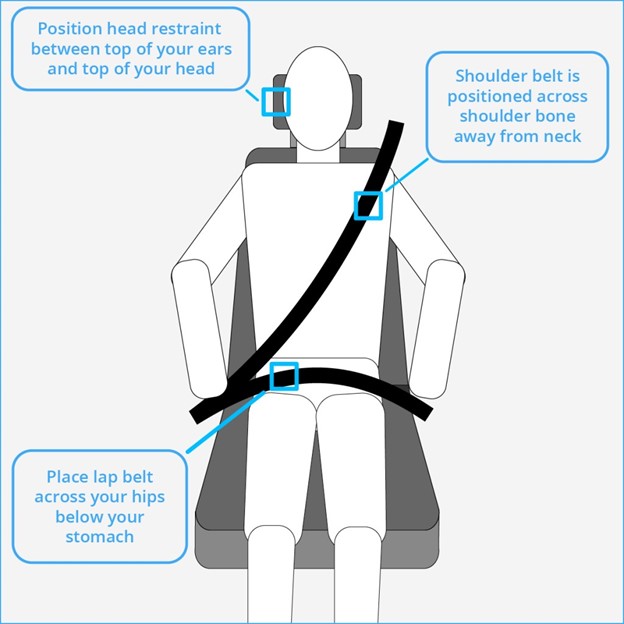
A nurse is applying a belt restraint to a client who has become physically aggressive. Which of the following actions should the nurse take?
A. Apply the restraint under the client's clothes.
Applying the restraint under the client's clothes: Restraints should be applied over the client's clothes to avoid direct skin contact and reduce the risk of skin irritation or injury.
B. Tie the restraint to the railing of the client's bed.
Tying the restraint to the railing of the client's bed: Restraints should not be tied to bed rails or any other fixed objects. This can increase the risk of injury to the client and should be avoided.
C. Place the client in a sitting position.
Placing the client in a sitting position is appropriate when applying a belt restraint, as it helps prevent respiratory compromise and allows the client to maintain a safer and more comfortable posture.
D. Ensure the restraint is placed across the client's chest.
A belt restraint should be placed around the client's waist, not across the chest, to avoid restricting breathing.
This question is an excerpt from Nurse Dive's nursing test bank - ATI PN Comprehensive Predictor 2023 - Proctored Exam 1. Take the full exam now
Full Explanation
a. Applying the restraint under the client's clothes: Restraints should be applied over the client's clothes to avoid direct skin contact and reduce the risk of skin irritation or injury.
b. Tying the restraint to the railing of the client's bed: Restraints should not be tied to bed rails or any other fixed objects. This can increase the risk of injury to the client and should be avoided.
c. Placing the client in a sitting position is appropriate when applying a belt restraint, as it helps prevent respiratory compromise and allows the client to maintain a safer and more comfortable posture.
d. A belt restraint should be placed around the client's waist, not across the chest, to avoid restricting breathing.
Similar Questions
A nurse is caring for a 3-year-old child who has acute bacterial conjunctivitis of the right eye and has been prescribed bacitracin ophthalmic ointment.
Which of the following actions should the nurse take?
A. Gently massage the eyelid to facilitate absorption of the medication.
Is not recommended. It can potentially cause discomfort or further irritation to the affected eye, especially in a young child. The ointment will naturally spread across the eye as the child blinks.
B. Wipe any excess medication from the inner canthus outward.
Bacitracin ophthalmic ointment is an antibiotic medication commonly used to treat bacterial eye infections such as conjunctivitis. Wiping any excess medication from the inner canthus outward, is important to prevent the accumulation of excessive ointment, which can cause discomfort and affect vision. Using a clean, sterile cotton ball or tissue, the nurse should gently wipe any excess ointment from the inner corner of the eye (inner canthus) and then move outward to remove the excess ointment.
C. Place an occlusive dressing on the affected eye to prevent the spread of infection.
Is not necessary for the treatment of bacterial conjunctivitis. It may impede proper air circulation and potentially worsen the infection. It is important to promote hygiene and prevent the spread of infection by encouraging proper handwashing and avoiding touching or rubbing the affected eye.
D. Instruct guardian to apply erythromycin ophthalmic ointment every morning for 14 days.
Is not appropriate in this case. Erythromycin is an alternative antibiotic commonly used for conjunctivitis, but since the child has been prescribed bacitracin ophthalmic ointment, the appropriate course of treatment would be to follow the prescribed medication as directed by the healthcare provider.
Full Explanation
Explanation
B. Wipe any excess medication from the inner canthus outward
Bacitracin ophthalmic ointment is an antibiotic medication commonly used to treat bacterial eye infections such as conjunctivitis.
Wiping any excess medication from the inner canthus outward, is important to prevent the accumulation of excessive ointment, which can cause discomfort and affect vision. Using a clean, sterile cotton ball or tissue, the nurse should gently wipe any excess ointment from the inner corner of the eye (inner canthus) and then move outward to remove the excess ointment.
Gently massaging the eyelid to facilitate absorption of the medication in (option A) is not recommended. It can potentially cause discomfort or further irritation to the affected eye, especially in a young child. The ointment will naturally spread across the eye as the child blinks.
Placing an occlusive dressing on the affected eye in (option C) is not necessary for the treatment of bacterial conjunctivitis. It may impede proper air circulation and potentially worsen the infection. It is important to promote hygiene and prevent the spread of infection by encouraging proper handwashing and avoiding touching or rubbing the affected eye.
Instructing the guardian to apply erythromycin ophthalmic ointment every morning for 14 days in (option D) is not appropriate in this case. Erythromycin is an alternative antibiotic commonly used for conjunctivitis, but since the child has been prescribed bacitracin ophthalmic ointment, the appropriate course of treatment would be to follow the prescribed medication as directed by the healthcare provider.
A nurse is contributing to the plan of care for a client who is experiencing a herpes simplex outbreak. Which of the following interventions should the nurse recommend?
A. Avoid over-the-counter topical ointments
Over-the-counter topical ointments are generally not recommended for the treatment of herpes simplex outbreaks. It is best to consult with a healthcare provider for appropriate medication and treatment options
B. Cleanse skin eruptions with povidone-iodine
Herpes simplex is a viral infection that causes skin eruptions or lesions. To promote healing and prevent secondary infections, it is important to keep the affected area clean. Cleansing the skin eruptions with povidone-iodine, an antiseptic solution, can help reduce the risk of infection and promote healing.
C. Administer an antibiotic medication
Herpes simplex is a viral infection, and antibiotics are used to treat bacterial infections. Antibiotics are not effective against viral infections like herpes simplex.
D. Place disposable thermometers in the client's room
Placing disposable thermometers in the client's room is not directly related to the management of a herpes simplex outbreak. It is important to focus on interventions specific to the client's condition.
Full Explanation
B. Herpes simplex is a viral infection that causes skin eruptions or lesions. To promote healing and prevent secondary infections, it is important to keep the affected area clean. Cleansing the skin eruptions with povidone-iodine, an antiseptic solution, can help reduce the risk of infection and promote healing.

The other options are incorrect:
A. Over-the-counter topical ointments are generally not recommended for the treatment of herpes simplex outbreaks. It is best to consult with a healthcare provider for appropriate medication and treatment options.
C.Herpes simplex is a viral infection, and antibiotics are used to treat bacterial infections. Antibiotics are not effective against viral infections like herpes simplex.
D. Placing disposable thermometers in the client's room is not directly related to the management of a herpes simplex outbreak. It is important to focus on interventions specific to the client's condition.
A nurse is caring for a client who has end-stage kidney disease. The client has decided to stop dialysis treatment. Which of the following actions should the nurse take?
A. Tell the client she should discuss this decision with her family.
While family involvement and support are important, the decision to stop dialysis ultimately rests with the client. It is the client's decision to make, and the nurse should respect the client's autonomy.
B. Discuss alternative treatment methods with the client.
If the client has made an informed decision to stop dialysis, it is not appropriate for the nurse to discuss alternative treatment methods at this point. The focus should be on supporting the client in their decision and providing comfort and care.
C. Ask the facility chaplain to visit the client.
Spiritual and emotional support can be valuable for clients facing end-of-life decisions, but it should be based on the client's preferences and requests. The nurse can offer spiritual support if desired but should not assume that it is necessary or appropriate in every case.
D. Support the client's decision to stop the treatment.
Stopping dialysis is a significant decision made by the client, and it is important for the nurse to respect and support the client's autonomy and right to make decisions about their own healthcare. The nurse should provide emotional support, validate the client's feelings and concerns, and ensure that the client has access to appropriate resources and support systems. It is not the nurse's role to persuade or encourage the client to continue or reconsider the decision.
Full Explanation
Stopping dialysis is a significant decision made by the client, and it is important for the nurse to respect and support the client's autonomy and right to make decisions about their own healthcare. The nurse should provide emotional support, validate the client's feelings and concerns, and ensure that the client has access to appropriate resources and support systems. It is not the nurse's role to persuade or encourage the client to continue or reconsider the decision.
The other options are incorrect:
Tell the client she should discuss this decision with her family: While family involvement and support are important, the decision to stop dialysis ultimately rests with the client. It is the client's decision to make, and the nurse should respect the client's autonomy.
Discuss alternative treatment methods with the client: If the client has made an informed decision to stop dialysis, it is not appropriate for the nurse to discuss alternative treatment methods at this point. The focus should be on supporting the client in their decision and providing comfort and care.
Ask the facility chaplain to visit the client: Spiritual and emotional support can be valuable for clients facing end-of-life decisions, but it should be based on the client's preferences and requests. The nurse can offer spiritual support if desired but should not assume that it is necessary or appropriate in every case.