Nursing practice questions with comprehensive rationales
NurseDive Free Nursing Practice Question
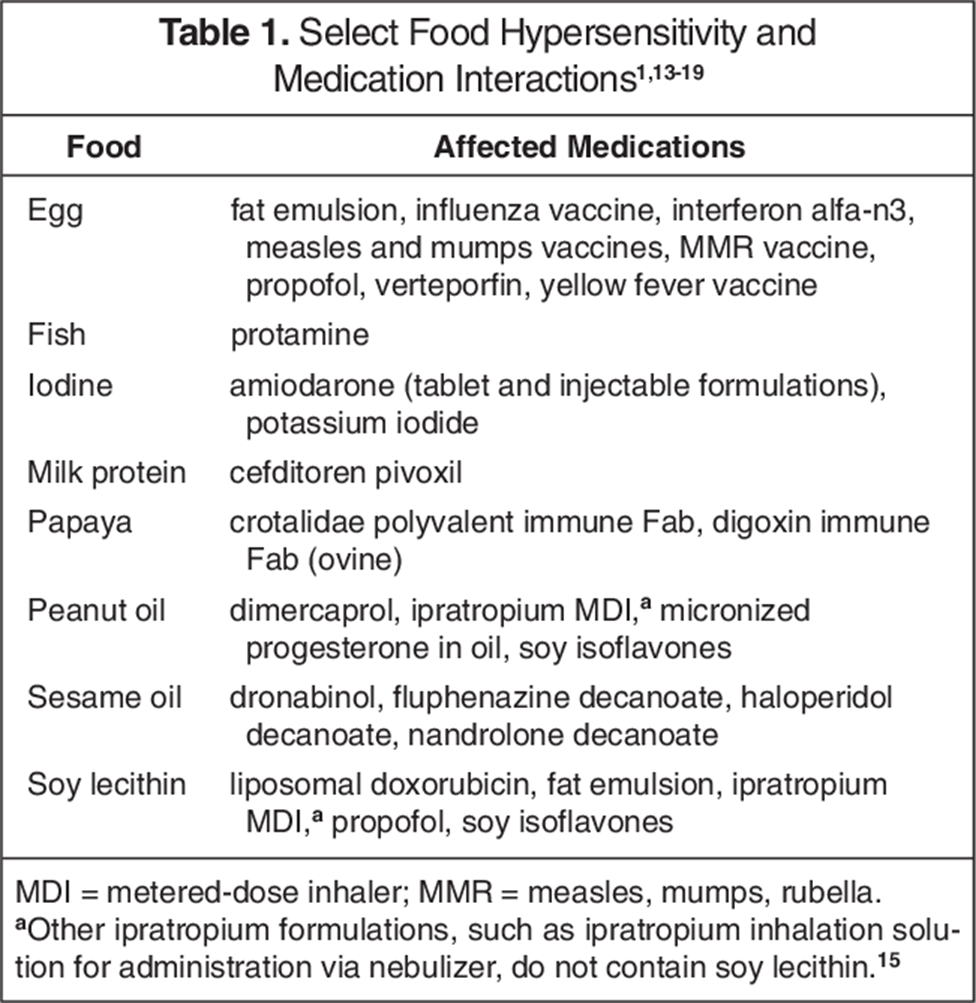
A nurse is asking a preoperative client about food allergies. Which of the following food allergies indicates a potential reaction to propofol?
A. Shellfish
Shellfish has no known interactions with propofol.
B. Eggs
Propofol, a commonly used anesthetic agent, contains egg lecithin as an emulsifier. Therefore, individuals with egg allergies are at risk of having an allergic reaction to propofol. It's essential for the nurse to identify this allergy to ensure the client's safety during the administration of anesthesia.
C. Strawberries
Strawberries do not interact with propofol.
D. Avocados
Avocados do not interact with propofol.
This question is an excerpt from Nurse Dive's nursing test bank - Ati Rn Adult Med Surg 2023 Proctored Exam. Take the full exam now
Full Explanation
A. Shellfish has no known interactions with propofol.
B. Propofol, a commonly used anesthetic agent, contains egg lecithin as an emulsifier. Therefore, individuals with egg allergies are at risk of having an allergic reaction to propofol. It's essential for the nurse to identify this allergy to ensure the client's safety during the administration of anesthesia.
C. Strawberries do not interact with propofol.
D. Avocados do not interact with propofol.
Similar Questions
A nurse is caring for a client who is 2 days postoperative following a below-the-knee amputation and asks about the purpose of maintaining an elastic bandage around the residual limb of the extremity. Which of the following is an appropriate response by the nurse?
A. "The elastic bandage will prevent a postoperative wound infection."
While wound infection prevention is important, the elastic bandage primarily addresses edema control.
B. "The elastic bandage will prevent excessive edema."
Maintaining an elastic bandage around the residual limb helps to compress soft tissues and minimize edema, promoting healing and aiding in the shaping of the residual limb for future prosthesis fitting.
C. "The elastic bandage will keep you from seeing the surgical site."
The purpose of the elastic bandage is not related to preventing the client from seeing the surgical site.
D. "The elastic bandage will keep the sutures from loosening."
The elastic bandage is not primarily used to secure sutures; its main purpose is edema control.
Full Explanation
A. While wound infection prevention is important, the elastic bandage primarily addresses edema control.
B. Maintaining an elastic bandage around the residual limb helps to compress soft tissues and minimize edema, promoting healing and aiding in the shaping of the residual limb for future prosthesis fitting.
C. The purpose of the elastic bandage is not related to preventing the client from seeing the surgical site.
D. The elastic bandage is not primarily used to secure sutures; its main purpose is edema control.
A nurse is providing discharge teaching to a client who had a bilateral orchiectomy.
The nurse should instruct the client to expect which of the following symptoms?
A. Increased libido
Increased libido is unlikely due to the loss of testosterone production.
B. Hypoglycemia
Hypoglycemia is not directly related to the surgical procedure.
C. Hot flashes
Bilateral orchiectomy, the surgical removal of both testicles, results in a sudden decrease in testosterone levels, which can lead to symptoms such as hot flashes, similar to those experienced during menopause.
D. Increased muscle mass
Increased muscle mass is associated with testosterone production, which would decrease following bilateral orchiectomy.
Full Explanation
A. Increased libido is unlikely due to the loss of testosterone production.
B. Hypoglycemia is not directly related to the surgical procedure.
C. Bilateral orchiectomy, the surgical removal of both testicles, results in a sudden decrease in testosterone levels, which can lead to symptoms such as hot flashes, similar to those experienced during menopause.
D. Increased muscle mass is associated with testosterone production, which would decrease following bilateral orchiectomy.
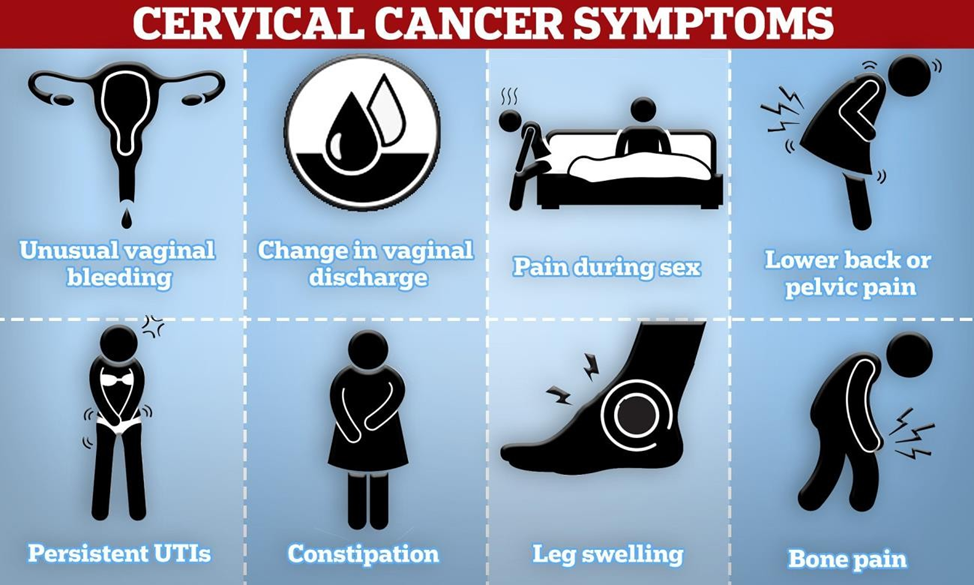
A nurse working in an outpatient clinic is planning a community education program about reproductive cancers. The nurse should identify which of the following manifestations as a possible indication of cervical cancer?
A. Frequent diarrhea
Frequent diarrhea is not typically associated with cervical cancer.
B. Urinary hesitancy
Urinary hesitancy is more commonly associated with prostate issues in males rather than cervical cancer in females.
C. Unexplained weight gain
Unexplained weight gain is not typically a symptom of cervical cancer.
D. Painless vaginal bleeding
Painless vaginal bleeding, especially after intercourse or between periods, can be a sign of cervical cancer. It's essential for individuals to seek medical evaluation if they experience any abnormal bleeding.
Full Explanation
A. Frequent diarrhea is not typically associated with cervical cancer.
B. Urinary hesitancy is more commonly associated with prostate issues in males rather than cervical cancer in females.
C. Unexplained weight gain is not typically a symptom of cervical cancer.
D. Painless vaginal bleeding, especially after intercourse or between periods, can be a sign of cervical cancer. It's essential for individuals to seek medical evaluation if they experience any abnormal bleeding.