
Nursing practice questions with comprehensive rationales
NurseDive Free Nursing Practice Question
A nurse is assessing a client admitted with peripheral vascular disease.
Which of the following findings indicates a venous vascular disorder?
A. Edema of the ankle.
Edema, or swelling in the legs, is a common symptom of venous disease.
B. Hair loss distal to the client's calves.
Hair loss distal to the client’s calves (choice B) is not a typical symptom of venous vascular disorder.
C. Leg pain at rest.
Leg pain at rest (choice C) can be a symptom of peripheral vascular disease but is not specific to venous vascular disorder.
D. An ulcer on the tip of a toe.
An ulcer on the tip of a toe (choice D) can be a sign of arterial vascular disorder but is not specific to venous vascular disorder.
This question is an excerpt from Nurse Dive's nursing test bank - ATI Adult Medical Surgical 2019 Proctored Exam. Take the full exam now
Full Explanation
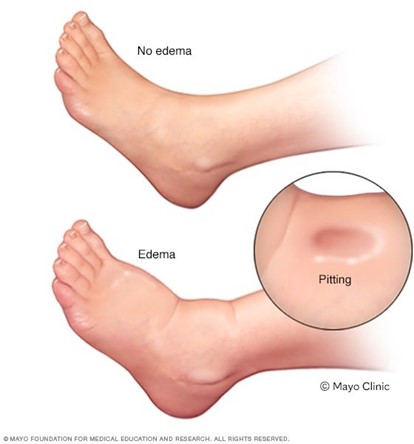
Edema, or swelling in the legs, is a common symptom of venous disease.
Hair loss distal to the client’s calves (choice B) is not a typical symptom of venous vascular disorder.
Leg pain at rest (choice C) can be a symptom of peripheral vascular disease but is not specific to venous vascular disorder.
An ulcer on the tip of a toe (choice D) can be a sign of arterial vascular disorder but is not specific to venous vascular disorder.
Similar Questions
A nurse is providing preoperative teaching for a client who is having a left-sided cardiac catheterization.
Which of the following information should the nurse include in the teaching?
A. "You will receive a general anesthetic during the procedure.".
Choice A is incorrect because usually, patients are awake during cardiac catheterization but are given medications to help them relax.
B. "You should plan to remain in bed for 18 hours after the procedure.".
Choice B is incorrect because recovery time for a cardiac catheterization is quick.
C. "You should expect a warm sensation after the injection of the contrast dye during the procedure.".
“You should expect a warm sensation after the injection of the contrast dye during the procedure.” During cardiac catheterization, a contrast dye is injected into the body to highlight blood flow through the arteries and show blockages in the blood vessels that lead to the heart. This can cause a warm sensation.
D. "You will have blood pressure measurements every 5 minutes for the first 2 hours after the procedure.".
Choice D is incorrect because there is no information found to support this statement.
Full Explanation
“You should expect a warm sensation after the injection of the contrast dye during the procedure.” During cardiac catheterization, a contrast dye is injected into the body to highlight blood flow through the arteries and show blockages in the blood vessels that lead to the heart.
This can cause a warm sensation.
Choice A is incorrect because usually, patients are awake during cardiac catheterization but are given medications to help them relax.
Choice B is incorrect because recovery time for a cardiac catheterization is quick.
Choice D is incorrect because there is no information found to support this statement.
A nurse is administering furosemide 80 mg PO twice daily to a client who has pulmonary edema.
Which of the following assessment findings indicates to the nurse that the medication is effective?
A. Adventitious breath sounds.
Choice A is incorrect because adventitious breath sounds are a symptom of pulmonary edema, not an indication that the medication is effective.
B. Elevation in blood pressure.
Choice B is incorrect because furosemide has direct vasodilatory outcomes 2, which would decrease blood pressure, not elevate it.
C. Weight loss of.8 kg (4 Ib) in the past 24 hr.
“Weight loss of.8 kg (4 Ib) in the past 24 hr.” Furosemide is a diuretic that decreases the pressure caused by excess fluid in the heart and lungs. A weight loss of.8 kg (4 Ib) in the past 24 hr indicates that excess fluid is being removed from the body, which is a sign that the medication is effective.
D. Respiratory rate of 24/min.
Choice D is incorrect because there is no information found to support this statement.
Full Explanation
“Weight loss of.8 kg (4 Ib) in the past 24 hr.” Furosemide is a diuretic that decreases the pressure caused by excess fluid in the heart and lungs.
A weight loss of.8 kg (4 Ib) in the past 24 hr indicates that excess fluid is being removed from the body, which is a sign that the medication is effective.
Choice A is incorrect because adventitious breath sounds are a symptom of pulmonary edema, not an indication that the medication is effective.
Choice B is incorrect because furosemide has direct vasodilatory outcomes 2, which would decrease blood pressure, not elevate it.
Choice D is incorrect because there is no information found to support this statement.
A nurse is admitting a client to the emergency department after a gunshot wound to the abdomen.
Which of the following actions should the nurse take to help prevent the onset of acute kidney failure?
A. Administer IV fluids to the client.
Administering IV fluids can help maintain blood flow to the kidneys and prevent acute kidney failure.
B. Insert a urinary catheter.
Choice B is incorrect because inserting a urinary catheter does not prevent acute kidney failure.
C. Prepare the client for an intravenous pyelogram.
Choice C is incorrect because an intravenous pyelogram is a diagnostic test and does not prevent acute kidney failure.
D. Initiate beta-blocker therapy.
Choice D is incorrect because beta-blocker therapy is not used to prevent acute kidney failure.
Full Explanation
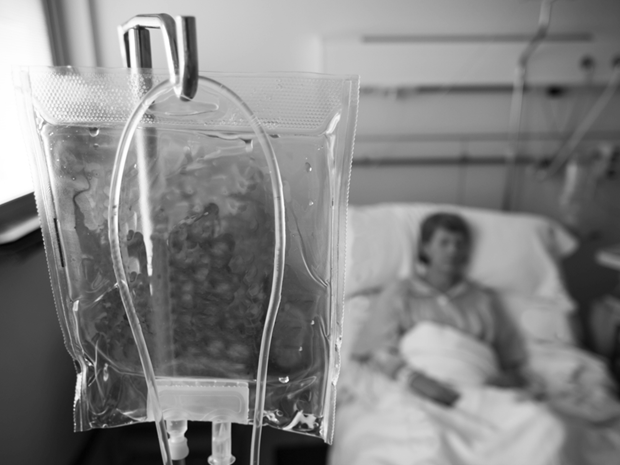
Administering IV fluids can help maintain blood flow to the kidneys and prevent acute kidney failure.
Choice B is incorrect because inserting a urinary catheter does not prevent acute kidney failure.
Choice C is incorrect because an intravenous pyelogram is a diagnostic test and does not prevent acute kidney failure.
Choice D is incorrect because beta-blocker therapy is not used to prevent acute kidney failure.