Nursing practice questions with comprehensive rationales
NurseDive Free Nursing Practice Question
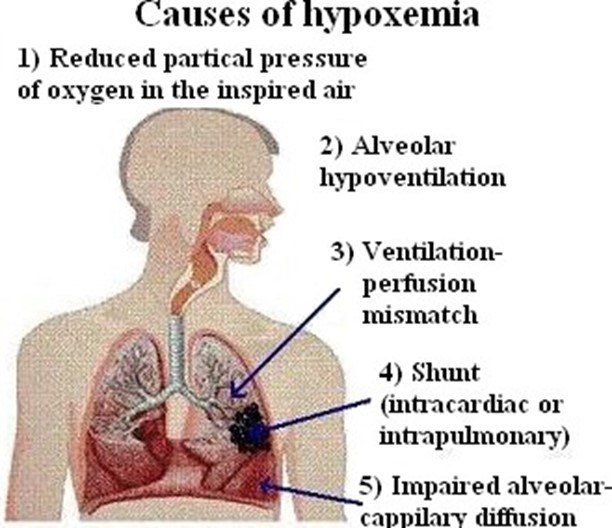
A nurse is assessing a client for hypoxemia during an asthma attack. Which of the following manifestations should the nurse expect?
A. Nausea
Nausea is not a specific manifestation of hypoxemia, as it can have many other causes such as medication side effects, gastrointestinal disorders, or anxiety.
B. Dysphagia
Dysphagia is difficulty swallowing, which is not related to hypoxemia or asthma. It can be caused byneurological, muscular, or structural problems in the throat or esophagus.
C. Agitation
Agitation is a sign of hypoxemia, as the brain is deprived of oxygen and becomes irritable and restless.
D. Hypotension
Hypotension is low blood pressure, which is not a typical manifestation of hypoxemia or asthma. It can be caused by dehydration, blood loss, shock, or heart failure.
This question is an excerpt from Nurse Dive's nursing test bank - ATI Med Surg Proctored Exam 1. Take the full exam now
Full Explanation
Agitation is a sign of hypoxemia, as the brain is deprived of oxygen and becomes irritable and restless.
The other options are not correct because:
- Nausea is not a specific manifestation of hypoxemia, as it can have many other causes such as medication side effects, gastrointestinal disorders, or anxiety.
- Dysphagia is difficulty swallowing, which is not related to hypoxemia or asthma. It can be caused by neurological, muscular, or structural problems in the throat or esophagus.
- Hypotension is low blood pressure, which is not a typical manifestation of hypoxemia or asthma. It can be caused by dehydration, blood loss, shock, or heart failure.
Similar Questions
A nurse is caring for a group of clients. Which of the following clients should the nurse identify as having an increased risk of aspiration while eating? (Select all that apply)
A. A client who has had radiation therapy for head and neck cancer
These clients have impaired swallowing, gag reflex, or level of consciousness, which increase their risk of aspiration while eating.
B. A client who has had prolonged diarrhea
A client who has had prolonged diarrhea does not have a direct risk factor for aspiration, as diarrhea affects the lower gastrointestinal tract and not the upper airway or esophagus.
C. A client who has had a cerebrovascular accident
These clients have impaired swallowing, gag reflex, or level of consciousness, which increase their risk of aspiration while eating.
D. A client who has lactose intolerance
A client who has lactose intolerance does not have a risk factor for aspiration, as lactose intolerance causes abdominal cramps, bloating, gas, or diarrhea when consuming dairy products, but does not affect the ability to swallow or protect the airway.
E. A client who is 4 hr postoperative following a leg amputation with general anesthesia
These clients have impaired swallowing, gag reflex, or level of consciousness, which increase their risk of aspiration while eating.
Full Explanation
These clients have impaired swallowing, gag reflex, or level of consciousness, which increase their risk of aspiration while eating.
The other options are not correct because:
b. A client who has had prolonged diarrhea does not have a direct risk factor for aspiration, as diarrhea affects the lower gastrointestinal tract and not the upper airway or esophagus.
d. A client who has lactose intolerance does not have a risk factor for aspiration, as lactose intolerance causes abdominal cramps, bloating, gas, or diarrhea when consuming dairy products, but does not affect the ability to swallow or protect the airway.
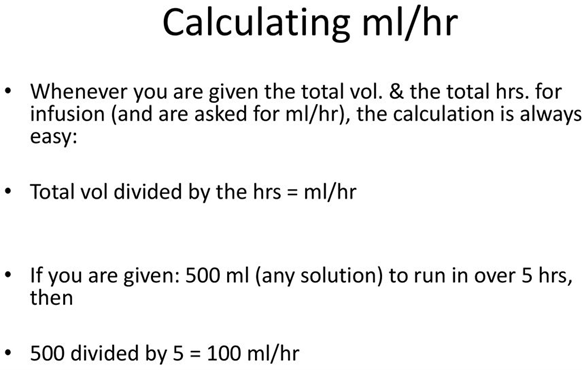
A nurse is preparing to administer ampicillin 500 mg via intermittent IV bolus over 30 min. Available is 500 mg ampicillin in 50 mL dextrose 5% in water (DSW). The nurse should set the pump to deliver how many mL/hr?
(Round the answer to the nearest whole number. Use a leading zero if it applies. Do not use a trailing zero.)
Full Explanation
To calculate the infusion rate, use the formula:
mL/hr = (volume of solution in mL / time of infusion in hr) x 60 min/hr
Plug in the given values:
mL/hr = (50 mL / 0.5 hr) x 60 min/hr
Simplify and solve:
mL/hr = 100 x 60 min/hr
mL/hr = 100 mL/hr
Round to the nearest whole number and add a leading zero if needed:
mL/hr = 100 mL/hr
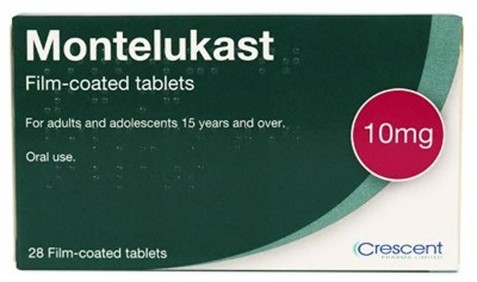
A nurse is evaluating teaching on a client who has a new prescription for montelukast to treat asthma. Which of the following statements by the client indicates an understanding of the teaching?
A. "I take this medication once a day in the evening."
Montelukast is an oral leukotriene receptor antagonist that prevents inflammation and bronchoconstriction in asthma. It is taken once daily in the evening to prevent nocturnal symptoms and improve morning lung function.
B. "I rinse my mouth after taking this medication."
"I rinse my mouth after taking this medication." This is not necessary, as montelukast is not associated with oral thrush or dysgeusia, unlike some inhaled corticosteroids.
C. "I use a spacer device when I inhale this medication."
"I use a spacer device when I inhale this medication." This is not applicable, as montelukast is not aninhaler, but a tablet or chewable form.
D. "I take this medication when I get an asthma attack."
"I take this medication when I get an asthma attack." This is not appropriate, as montelukast is not a rescue medication, but a maintenance medication that should be taken regularly to prevent asthma exacerbations. A short-acting beta2 agonist such as albuterol should be used for acute relief of symptoms.
Full Explanation
Montelukast is an oral leukotriene receptor antagonist that prevents inflammation and bronchoconstriction in asthma. It is taken once daily in the evening to prevent nocturnal symptoms and improve morning lung function.
- "I rinse my mouth after taking this medication." This is not necessary, as montelukast is not associated with oral thrush or dysgeusia, unlike some inhaled corticosteroids.
- "I use a spacer device when I inhale this medication." This is not applicable, as montelukast is not an inhaler, but a tablet or chewable form.
- "I take this medication when I get an asthma attack." This is not appropriate, as montelukast is not a rescue medication, but a maintenance medication that should be taken regularly to prevent asthma exacerbations. A short-acting beta2 agonist such as albuterol should be used for acute relief of symptoms.