
Nursing practice questions with comprehensive rationales
NurseDive Free Nursing Practice Question
A nurse is assessing a client immediately following a cardiac catheterization.
The nurse should notify the provider for which of the following findings?
A. Heart rate 90/min.
because heart rate 90/min is within the normal range for adults and does not indicate a complication.
B. Hematoma over the insertion site.
A hematoma is a collection of blood outside a blood vessel that can cause swelling, pain, and bruising. It can indicate bleeding from the artery where the catheter was inserted, which can be a serious complication of cardiac catheterization. The nurse should notify the provider immediately if a hematoma is observed.
C. Bounding pulses in the affected extremity.
because bounding pulses in the affected extremity are expected after cardiac catheterization, as they indicate good blood flow to the area.
D. Report of discomfort at the insertion site continue.
because report of discomfort at the insertion site is common and usually mild after cardiac catheterization.
This question is an excerpt from Nurse Dive's nursing test bank - ATI Comprehensive Predictor 2023 Exit Proctored Exam A. Take the full exam now
Full Explanation
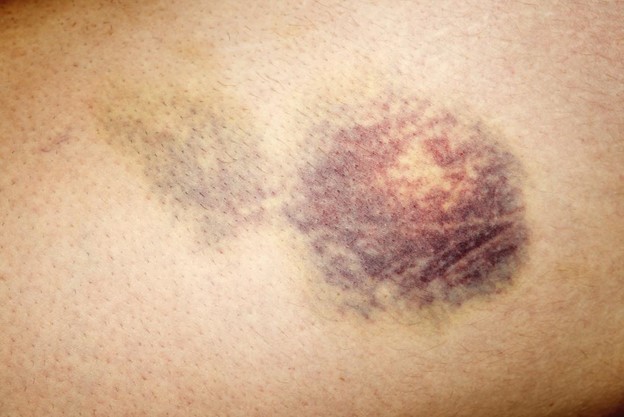
A hematoma is a collection of blood outside a blood vessel that can cause swelling, pain, and bruising. It can indicate bleeding from the artery where the catheter was inserted, which can be a serious complication of cardiac catheterization.
The nurse should notify the provider immediately if a hematoma is observed.
Choice A is wrong because heart rate 90/min is within the normal range for adults and does not indicate a complication.
Choice C is wrong because bounding pulses in the affected extremity are expected after cardiac catheterization, as they indicate good blood flow to the area.
Choice D is wrong because report of discomfort at the insertion site is common and usually mild after cardiac catheterization.
The nurse can provide pain relief as needed, but does not need to notify the provider unless the pain is severe or persistent.
Normal ranges for heart rate are 60-100 beats per minute for adults. Normal ranges for blood pressure are 120/80 mmHg or lower for systolic pressure and 80 mmHg or lower for diastolic pressure. Normal ranges for oxygen saturation are 95-100% for adults.
Similar Questions
A nurse is planning to teach a client about taking prednisone.
Which of the following instructions should the nurse include
A. Increase dietary calcium.
dietary calcium. Prednisone is a corticosteroid medication that can cause bone loss (osteoporosis) by reducing the absorption of calcium and increasing the excretion of calcium in the urine. Therefore, patients taking prednisone should increase their intake of calcium-rich foods or supplements to prevent bone loss and fractures.
B. Monitor for weight loss.
prednisone can cause weight gain, not weight loss, by increasing appetite and fluid retention. Patients taking prednisone should monitor their weight and limit their salt and calorie intake.
C. Take on an empty stomach.
wrong because prednisone should not be taken on an empty stomach, as it can cause stomach irritation, ulcers, or bleeding. Patients taking prednisone should take it with food or milk to protect their stomach.
D. Schedule dosage at bedtime.
wrong because prednisone should not be scheduled at bedtime, as it can cause insomnia or difficulty sleeping. Patients taking prednisone should take it in the morning or early afternoon to avoid disrupting their sleep cycle.
Full Explanation
The correct answer is A. Increase dietary calcium. Prednisone is a corticosteroid medication that can cause bone loss (osteoporosis) by reducing the absorption of calcium and increasing the excretion of calcium in the urine. Therefore, patients taking prednisone should increase their intake of calcium-rich foods or supplements to prevent bone loss and fractures.
Choice B is wrong because prednisone can cause weight gain, not weight loss, by increasing appetite and fluid retention. Patients taking prednisone should monitor their weight and limit their salt and calorie intake.
Choice C is wrong because prednisone should not be taken on an empty stomach, as it can cause stomach irritation, ulcers, or bleeding. Patients taking prednisone should take it with food or milk to protect their stomach.
Choice D is wrong because prednisone should not be scheduled at bedtime, as it can cause insomnia or difficulty sleeping. Patients taking prednisone should take it in the morning or early afternoon to avoid disrupting their sleep cycle.
A nurse is administering furosemide IV bolus to a client who has fluid volume excess.
The nurse should recognize which of the following findings as an indication that the medication has been effective?
A. Weight loss.
Furosemide is a loop diuretic that is used to treat fluid volume excess by increasing the excretion of water and electrolytes through the kidneys. Weight loss is an indication that the medication has been effective in reducing the excess fluid in the body.
B. Decreased inflammation.
because decreased inflammation is not a direct effect of furosemide. Inflammation is a response to tissue injury or infection, and furosemide does not have any anti-inflammatory properties.
C. Increased blood pressure.
because increased blood pressure is not an indication of furosemide effectiveness. Furosemide lowers blood pressure by reducing the preload and afterload on the heart. Increased blood pressure may indicate that the dose of furosemide is insufficient or that there are other factors contributing to hypertension.
D. Decreased pain.
wrong because decreased pain is not an expected outcome of furosemide therapy. Furosemide does not have any analgesic effects, and pain may be caused by various conditions that are not related to fluid volume excess. Normal ranges for weight, blood pressure and pain vary depending on the individual patient’s baseline and goals.
Full Explanation
The correct answer is A.
Weight loss.
Furosemide is a loop diuretic that is used to treat fluid volume excess by increasing the excretion of water and electrolytes through the kidneys. Weight loss is an indication that the medication has been effective in reducing the excess fluid in the body.
Choice B is wrong because decreased inflammation is not a direct effect of furosemide.
Inflammation is a response to tissue injury or infection, and furosemide does not have any anti-inflammatory properties.
Choice C is wrong because increased blood pressure is not an indication of furosemide effectiveness.
Furosemide lowers blood pressure by reducing the preload and afterload on the heart.
Increased blood pressure may indicate that the dose of furosemide is insufficient or that there are other factors contributing to hypertension.
Choice D is wrong because decreased pain is not an expected outcome of furosemide therapy.
Furosemide does not have any analgesic effects, and pain may be caused by various conditions that are not related to fluid volume excess.
Normal ranges for weight, blood pressure and pain vary depending on the individual patient’s baseline and goals.
However, some general guidelines are:
- Weight: A weight loss of 0.5 to 1 kg per day is considered safe and effective for patients with fluid volume excess.
- Blood pressure: The target blood pressure for most patients with heart failure is less than 130/80 mmHg.
- Pain: The pain level should be assessed using a valid and reliable scale, such as the numeric rating scale or the visual analogue scale, and treated according to the patient’s preference and tolerance.
A nurse is caring for a client who has an indwelling urinary catheter.
The nurse notes that sediment is present in the urine.
Which of the following actions should the nurse take to obtain a sterile urine specimen?
A. Unclamp the collection port below the bag.
because unclamping the collection port below the bag would allow urine to flow out of the bag, which is not sterile and may contain bacteria or sediment
B. Obtain the specimen from the retention port.
This is because the retention port is a sterile site that can be accessed by a syringe to aspirate urine without contaminating the specimen or the closed drainage system. The retention port should be cleaned with an alcohol swab before inserting the syringe. The specimen should be transferred to a sterile container and labeled appropriately.
C. Disconnect the catheter from the collection tubing.
wrong because disconnecting the catheter from the collection tubing would break the closed drainage system and increase the risk of infection
D. Use the balloon port to obtain the sterile specimen.
is wrong because using the balloon port to obtain the sterile specimen would deflate the balloon that holds the catheter in place and cause trauma to the bladder wall.
Full Explanation
Obtain the specimen from the retention port. This is because the retention port is a sterile site that can be accessed by a syringe to aspirate urine without contaminating the specimen or the closed drainage system. The retention port should be cleaned with an alcohol swab before inserting the syringe. The specimen should be transferred to a sterile container and labeled appropriately.
Choice A is wrong because unclamping the collection port below the bag would allow urine to flow out of the bag, which is not sterile and may contain bacteria or sediment. Choice C is wrong because disconnecting the catheter from the collection tubing would break the closed drainage system and increase the risk of infection. Choice D is wrong because using the balloon port to obtain the sterile specimen would deflate the balloon that holds the catheter in place and cause trauma to the bladder wall.
Normal ranges for urine characteristics vary depending on the type of analysis, but some general parameters are:
- Color: pale yellow to amber
- Clarity: clear or slightly cloudy
- Odor: faint aromatic
- pH: 4.5 to 8.0
- Specific gravity: 1.005 to 1.030
- Protein: <150 mg/24 hr
- Glucose: negative
- Ketones: negative
- Blood: negative
- Nitrites: negative
- Leukocyte esterase: negative
- Bacteria: <10,000 CFU/mL