
Nursing practice questions with comprehensive rationales
NurseDive Free Nursing Practice Question
A nurse is assessing a client who has a pressure ulcer.
Which of the following findings should the nurse expect as an indication the wound is healing?
A. Dark red granulation tissue.
Granulation tissue is new connective tissue and tiny blood vessels that form on the surfaces of a wound during the healing process. The presence of dark red granulation tissue is a sign that the wound is healing.
B. Light yellow exudate.
Light yellow exudate: Light yellow exudate may indicate the presence of infection and is not a sign of healing.
C. Dry brown eschar.
Dry brown eschar: Dry brown eschar is dead tissue that needs to be removed for the wound to heal properly.
D. Wound tissue firm to palpation.
Wound tissue firm to palpation: Wound tissue firm to palpation is not a specific sign of healing.
This question is an excerpt from Nurse Dive's nursing test bank - ATI Adult Medical Surgical 2019 Proctored Exam. Take the full exam now
Full Explanation
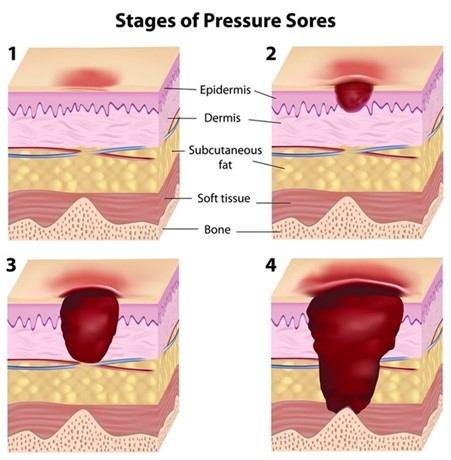
Granulation tissue is new connective tissue and tiny blood vessels that form on the surfaces of a wound during the healing process.
The presence of dark red granulation tissue is a sign that the wound is healing.
B. Light yellow exudate: Light yellow exudate may indicate the presence of infection and is not a sign of healing.
C. Dry brown eschar: Dry brown eschar is dead tissue that needs to be removed for the wound to heal properly.
D. Wound tissue firm to palpation: Wound tissue firm to palpation is not a specific sign of healing.
Similar Questions
A nurse is caring for a client in diabetic ketoacidosis (DKA).
Which of the following is the priority intervention by the nurse?
A. Check potassium levels.
Checking potassium levels is important in the management of DKA, but it is not the priority intervention.The priority intervention is to restore intravascular volume with fluid resuscitation
B. Begin bicarbonate continuous IV infusion.
Bicarbonate infusion is not the priority intervention in the management of DKA.It is used only in severe cases of metabolic acidosis
C. Initiate a continuous IV insulin infusion.
Initiation of a continuous IV insulin infusion is an important intervention in the management of DKA, but it is not the priority intervention.The priority intervention is to restore intravascular volume with fluid resuscitation
D. Administer 0.9% sodium chloride.
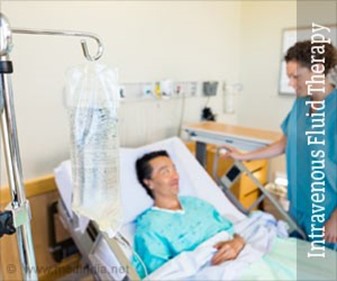
The initial priority in the treatment of diabetic ketoacidosis is the restoration of extra-cellular fluid volume through the intravenous administration of a normal saline (0.9 percent sodium chloride) solution.
Full Explanation
The correct answer is Choice D.
Choice A rationale: Checking potassium levels is important in the management of DKA, but it is not the priority intervention. The priority intervention is to restore intravascular volume with fluid resuscitation
Choice B rationale: Bicarbonate infusion is not the priority intervention in the management of DKA. It is used only in severe cases of metabolic acidosis
Choice C rationale: Initiation of a continuous IV insulin infusion is an important intervention in the management of DKA, but it is not the priority intervention. The priority intervention is to restore intravascular volume with fluid resuscitation
Choice D rationale: Administering 0.9% sodium chloride is the priority intervention in the management of DKA. It is used to restore intravascular volume and correct electrolyte imbalances
A nurse is providing discharge teaching to a client following a modified left radical mastectomy with a breast expander.
Which of the following statements by the client indicates an understanding of the teaching?
A. "I will perform strength-building arm exercises using a 15-pound weight.".
Choice A is wrong because performing strength-building arm exercises using a 15-pound weight is not recommended.
B. "l will have to wait 2 months before additional saline can be added to my breast expander.".
Choice B is wrong because waiting 2 months before additional saline can be added to the breast expander is not accurate.
C. "I will keep my left arm flexed at the elbow as much as possible.".
Choice C is wrong because keeping the left arm flexed at the elbow as much as possible is not recommended.
D. "I should expect less than 25 mL of secretions per day in the drainage devices.".
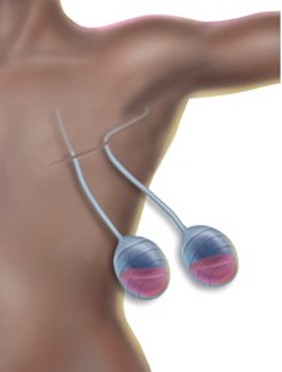
After a mastectomy with breast reconstruction using a tissue expander, you may go home with drains in your chest to remove extra fluid.
Full Explanation
“I should expect less than 25 mL of secretions per day in the drainage devices.” After a mastectomy with breast reconstruction using a tissue expander, you may go home with drains in your chest to remove extra fluid.
Choice A is wrong because performing strength-building arm exercises using a 15-pound weight is not recommended.
Choice B is wrong because waiting 2 months before additional saline can be added to the breast expander is not accurate.
Choice C is wrong because keeping the left arm flexed at the elbow as much as possible is not recommended.
A nurse is teaching a client about the use of an incentive spirometer.
Which of the following instructions should the nurse include in the teaching?
A. Exhale slowly through pursed lips.
Choice A is wrong because exhaling slowly through pursed lips is not an instruction for using an incentive spirometer.
B. Hold breaths for about 3 to 5 seconds before exhaling.
After inhaling deeply using an incentive spirometer, you should hold your breath for 3 to 5 seconds before exhaling.
C. Place hands on the upper abdomen during inhalation.
Choice C is wrong because placing hands on the upper abdomen during inhalation is not an instruction for using an incentive spirometer.
D. Position the mouthpiece.5 cm (1 in) from the mouth.
Choice D is wrong because positioning the mouthpiece.5 cm (1 in) from the mouth is not an instruction for using an incentive spirometer.
Full Explanation
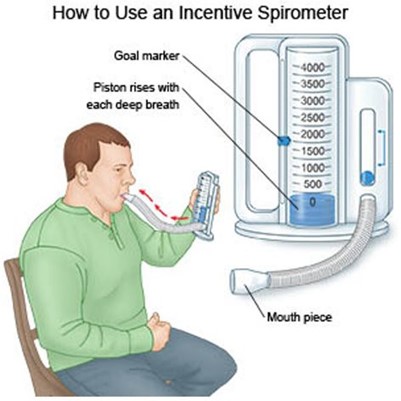
After inhaling deeply using an incentive spirometer, you should hold your breath for 3 to 5 seconds before exhaling.
Choice A is wrong because exhaling slowly through pursed lips is not an instruction for using an incentive spirometer.
Choice C is wrong because placing hands on the upper abdomen during inhalation is not an instruction for using an incentive spirometer.
Choice D is wrong because positioning the mouthpiece.5 cm (1 in) from the mouth is not an instruction for using an incentive spirometer.