
Nursing practice questions with comprehensive rationales
NurseDive Free Nursing Practice Question
A nurse is providing discharge teaching to a client following a modified left radical mastectomy with a breast expander.
Which of the following statements by the client indicates an understanding of the teaching?
A. "I will perform strength-building arm exercises using a 15-pound weight.".
Choice A is wrong because performing strength-building arm exercises using a 15-pound weight is not recommended.
B. "l will have to wait 2 months before additional saline can be added to my breast expander.".
Choice B is wrong because waiting 2 months before additional saline can be added to the breast expander is not accurate.
C. "I will keep my left arm flexed at the elbow as much as possible.".
Choice C is wrong because keeping the left arm flexed at the elbow as much as possible is not recommended.
D. "I should expect less than 25 mL of secretions per day in the drainage devices.".
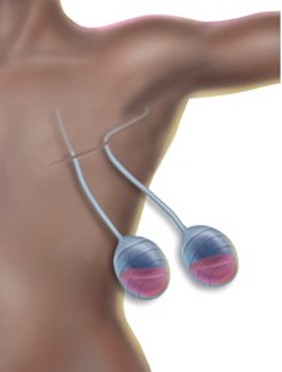
After a mastectomy with breast reconstruction using a tissue expander, you may go home with drains in your chest to remove extra fluid.
This question is an excerpt from Nurse Dive's nursing test bank - ATI Adult Medical Surgical 2019 Proctored Exam. Take the full exam now
Full Explanation
“I should expect less than 25 mL of secretions per day in the drainage devices.” After a mastectomy with breast reconstruction using a tissue expander, you may go home with drains in your chest to remove extra fluid.
Choice A is wrong because performing strength-building arm exercises using a 15-pound weight is not recommended.
Choice B is wrong because waiting 2 months before additional saline can be added to the breast expander is not accurate.
Choice C is wrong because keeping the left arm flexed at the elbow as much as possible is not recommended.
Similar Questions
A nurse is teaching a client about the use of an incentive spirometer.
Which of the following instructions should the nurse include in the teaching?
A. Exhale slowly through pursed lips.
Choice A is wrong because exhaling slowly through pursed lips is not an instruction for using an incentive spirometer.
B. Hold breaths for about 3 to 5 seconds before exhaling.
After inhaling deeply using an incentive spirometer, you should hold your breath for 3 to 5 seconds before exhaling.
C. Place hands on the upper abdomen during inhalation.
Choice C is wrong because placing hands on the upper abdomen during inhalation is not an instruction for using an incentive spirometer.
D. Position the mouthpiece.5 cm (1 in) from the mouth.
Choice D is wrong because positioning the mouthpiece.5 cm (1 in) from the mouth is not an instruction for using an incentive spirometer.
Full Explanation
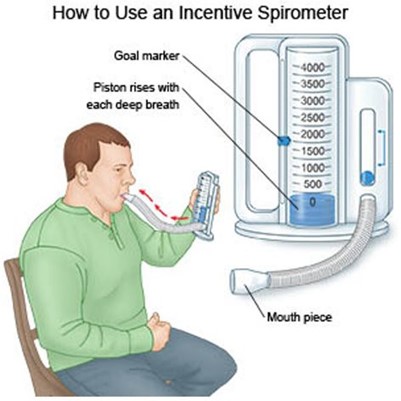
After inhaling deeply using an incentive spirometer, you should hold your breath for 3 to 5 seconds before exhaling.
Choice A is wrong because exhaling slowly through pursed lips is not an instruction for using an incentive spirometer.
Choice C is wrong because placing hands on the upper abdomen during inhalation is not an instruction for using an incentive spirometer.
Choice D is wrong because positioning the mouthpiece.5 cm (1 in) from the mouth is not an instruction for using an incentive spirometer.
A nurse is assessing a client who has a new diagnosis of diverticulitis and reports that he uses multiple complementary and alternative healing therapies.
Which of the following complementary therapies should the nurse identify as contraindicated for the client?
A. Acupuncture.
Choice A is wrong because acupuncture is not a contraindication for a client with diverticulitis.
B. Saw palmetto.
Choice B is wrong because saw palmetto is not a contraindication for a client with diverticulitis.
C. Colonics.
Colonics, also known as colonic irrigation or colon hydrotherapy, involves flushing the colon with fluids to remove waste and is not recommended for individuals with diverticulitis.
D. Guided imagery.
Choice D is wrong because guided imagery is not a contraindication for a client with diverticulitis.
Full Explanation
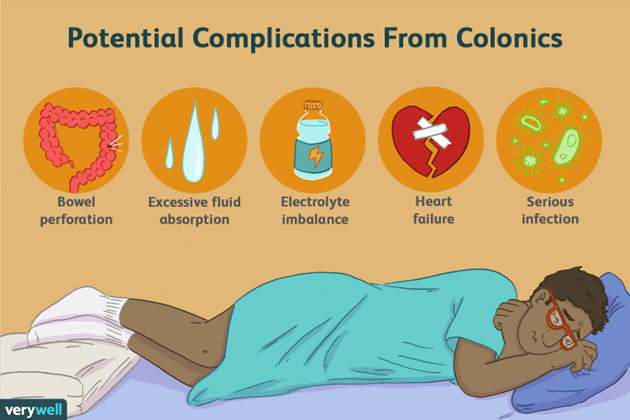
Colonics, also known as colonic irrigation or colon hydrotherapy, involves flushing the colon with fluids to remove waste and is not recommended for individuals with diverticulitis.
Choice A is wrong because acupuncture is not a contraindication for a client with diverticulitis.
Choice B is wrong because saw palmetto is not a contraindication for a client with diverticulitis.
Choice D is wrong because guided imagery is not a contraindication for a client with diverticulitis.
A nurse is providing discharge teaching to a client who has an impaired immune system due to chemotherapy.
Which of the following information should the nurse include in the teaching?
A. "Wash your perineal area two times each day with antimicrobial soap.".
The nurse should instruct the client to wash their perineal area two times each day with antimicrobial soap. This is important because chemotherapy can weaken the immune system, making the client more susceptible to infections.
B. "Wash your toothbrush in the dishwasher once each month.".
Choice B is wrong because washing a toothbrush in a dishwasher once a month is not an effective way to prevent infection.
C. "Change your pet's litter box daily.".
Choice C is wrong because changing a pet’s litter box daily could expose the client to harmful bacteria and should be avoided.
D. "Change the water in your drinking glass every 4 hours.".
Choice D is wrong because changing the water in a drinking glass every 4 hours is not necessary for preventing infection.
Full Explanation
The nurse should instruct the client to wash their perineal area two times each day with antimicrobial soap.
This is important because chemotherapy can weaken the immune system, making the client more susceptible to infections.
Choice B is wrong because washing a toothbrush in a dishwasher once a month is not an effective way to prevent infection.
Choice C is wrong because changing a pet’s litter box daily could expose the client to harmful bacteria and should be avoided.
Choice D is wrong because changing the water in a drinking glass every 4 hours is not necessary for preventing infection.