
Nursing practice questions with comprehensive rationales
NurseDive Free Nursing Practice Question
A nurse is assessing a client who has chronic venous insufficiency. Which of the following findings should the nurse expect?
A. Thick, deformed toenails
Thick, deformed toenails are more likely to be seen in clients who have fungal infections or peripheral arterial disease, not chronic venous insufficiency.
B. Edema
Edema is a common finding in clients who have chronic venous insufficiency, due to the impaired venous return and increased capillary pressure. The edema is usually worse at the end of the day and improves with elevation.
C. Dependent rubor
Dependent rubor is a sign of peripheral arterial disease, not chronic venous insufficiency. It is a reddish color of the lower extremities that occurs when they are lowered and disappears when they are elevated.
D. Hair loss
Hair loss is another sign of peripheral arterial disease, not chronic venous insufficiency. It is caused by the reduced blood supply to the hair follicles.
This question is an excerpt from Nurse Dive's nursing test bank - College Proctored Exam 2 perfusion euro pm. Take the full exam now
Full Explanation
Edema is a common finding in clients who have chronic venous insufficiency, due to the impaired venous return and increased capillary pressure. The edema is usually worse at the end of the day and improves with elevation.
a. Thick, deformed toenails are more likely to be seen in clients who have fungal infections or peripheral arterial disease, not chronic venous insufficiency.
c. Dependent rubor is a sign of peripheral arterial disease, not chronic venous insufficiency. It is a reddish color of the lower extremities that occurs when they are lowered and disappears when they are elevated.
d. Hair loss is another sign of peripheral arterial disease, not chronic venous insufficiency. It is caused by the reduced blood supply to the hair follicles.
Similar Questions
A nurse is assessing a client who has right-sided heart failure. Which of the following findings should the nurse expect?
A. Peripheral edema
Peripheral edema is a common finding in clients who have right-sided heart failure, due to the increased venous pressure and fluid retention. The edema is usually symmetrical and affects the lower extremities, abdomen, and sometimes the face.
B. Chest pain
Chest pain is not a typical finding of right-sided heart failure, unless there is an underlying cause such as coronary artery disease or pulmonary hypertension.
C. Heart murmur
Heart murmur is not a specific finding of right-sided heart failure, but it may indicate a valvular disorder that can contribute to or result from heart failure.
D. Crackles in lungs
Crackles in lungs are more likely to be seen in clients who have left-sided heart failure, due to the pulmonary congestion and impaired gas exchange.
A nurse is caring for a client who has peripheral arterial disease (PAD). Which of the following symptoms should the nurse expect to find in the early stage of the disease?
A. Dependent rubor
Dependent rubor is a sign of PAD in the advanced stage, due to the impaired vasodilation and reactive hyperemia. It is a reddish color of the lower extremities that occurs when they are lowered and disappears when they are elevated.
B. Intermitent claudication
Intermittent claudication is a characteristic symptom of PAD in the early stage, due to the reduced blood flow to the muscles during exercise. It is a cramping pain in the legs that occurs with walking and is relieved by rest.
C. Foot ulcers
Foot ulcers are a complication of PAD in the late stage, due to the poor wound healing and tissue necrosis. They are usually located on the toes, heels, or pressure points.
D. Rest pain
Rest pain is another sign of PAD in the late stage, due to the severe ischemia and nerve damage. It is a persistent pain in the feet or toes that occurs at night and is not relieved by rest.
Full Explanation
The correct answer is B
Choice B reason: Intermittent claudication
Intermittent claudication is a characteristic symptom of PAD in the early stage, due to the reduced blood flow to the muscles during exercise. It is a cramping pain in the legs that occurs with walking and is relieved by rest.
Choice A reason: Dependent rubor is a sign of PAD in the advanced stage, due to the impaired vasodilation and reactive hyperemia. It is a reddish color of the lower extremities that occurs when they are lowered and disappears when they are elevated.
Choice C reason: Foot ulcers are a complication of PAD in the late stage, due to the poor wound healing and tissue necrosis. They are usually located on the toes, heels, or pressure points.
Choice D reason: Rest pain is another sign of PAD in the late stage, due to the severe ischemia and nerve damage. It is a persistent pain in the feet or toes that occurs at night and is not relieved by rest.
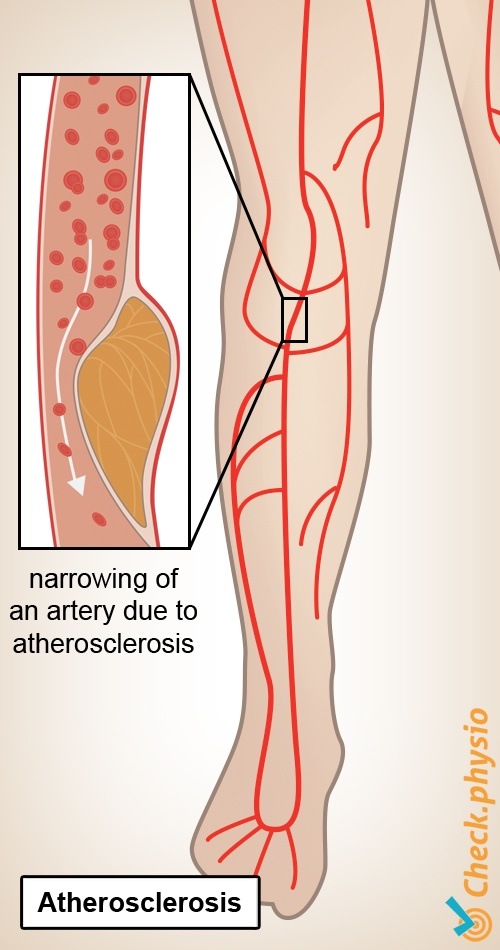
A nurse is caring for a client who has a new diagnosis of essential hypertension. The nurse should monitor the client for which of the following findings that is consistent with this diagnosis?
A. Vertigo
Vertigo is not a typical finding of essential hypertension, but it may occur in clients who have orthostatic hypotension, vestibular disorders, or cerebrovascular accidents.
B. Blurred vision
Blurred vision is a possible finding in clients who have essential hypertension, due to the damage to the retinal vessels and optic nerve. It may indicate a hypertensive emergency or a target organ damage.
C. Dyspnea
Dyspnea is not a specific finding of essential hypertension, but it may indicate a pulmonary edema, heart failure, or anemia.
D. Uremia
Uremia is a complication of essential hypertension, due to the renal impairment and accumulation of waste products in the blood. It may cause nausea, vomiting, fatigue, pruritus, and confusion.
Full Explanation
A: Vertigo is a common finding in clients with essential hypertension due to changes in blood flow and possible impacts on the inner ear, which can affect balance.
B: Blurred vision, while it can be associated with hypertension, is not as directly related to essential hypertension as vertigo is. It is more commonly a sign of complications from prolonged uncontrolled hypertension.
C: Dyspnea or difficulty breathing is not typically a direct symptom of essential hypertension, though it can be a symptom of complications such as heart failure, which can be a result of long-standing, uncontrolled hypertension.
D: Uremia, which is an elevated level of waste products in the blood, is not a symptom of essential hypertension but rather a sign of kidney failure, which can be a secondary complication of chronic hypertension. Essential hypertension itself does not directly cause uremia.