
Nursing practice questions with comprehensive rationales
NurseDive Free Nursing Practice Question
A nurse is assessing a client who has diabetes mellitus prior to performing a blood glucose test.
Which of the following findings should indicate to the nurse that the client has hyperglycemia?
A. Thirst.
Thirst is a common symptom of hyperglycemia, or high blood sugar, in clients with diabetes mellitus.
B. Confusion.
Choice B is wrong because confusion can be a symptom of both hyperglycemia and hypoglycemia (low blood sugar).
C. Shakiness.
Choice C is wrong because shakiness is more commonly associated with hypoglycemia.
D. Cool skin.
Choice D is wrong because cool skin is not a common symptom of hyperglycemia.
This question is an excerpt from Nurse Dive's nursing test bank - ATI RN Fundamentals 2019 with NGN Proctored Exam. Take the full exam now
Full Explanation
Thirst is a common symptom of hyperglycemia, or high blood sugar, in clients with diabetes mellitus.
Choice B is wrong because confusion can be a symptom of both hyperglycemia and hypoglycemia (low blood sugar).
Choice C is wrong because shakiness is more commonly associated with hypoglycemia.
Choice D is wrong because cool skin is not a common symptom of hyperglycemia.
Similar Questions
A nurse is caring for a client who has tuberculosis.
Which of the following precautions should the nurse plan to implement when working with the client?
A. Contact.
Contact precautions, are not necessary for TB patients as TB is not spread through contact.
B. Protective.
Protective precautions, are used to protect immunocompromised patients from infections and are not necessary for TB patients.
C. Droplet.
Droplet precautions are used for diseases that are spread through large respiratory droplets and are not necessary for TB patients as TB is spread through airborne droplet nuclei.
D. Airborne.
According to the Centers for Disease Control and Prevention (CDC), tuberculosis (TB) infection control plan is part of a general infection control program designed to ensure prompt detection of infectious TB patients, airborne precautions, and treatment of people who have suspected or confirmed TB disease.
Full Explanation
According to the Centers for Disease Control and Prevention (CDC), tuberculosis (TB) infection control plan is part of a general infection control program designed to ensure prompt detection of infectious TB patients, airborne precautions, and treatment of people who have suspected or confirmed TB disease.
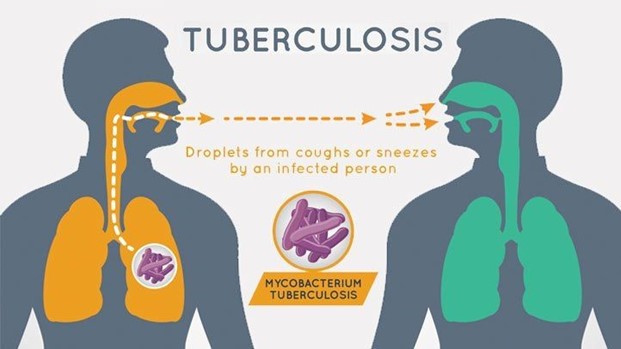
Choice A, Contact precautions, are not necessary for TB patients as TB is not spread through contact.
Choice B, Protective precautions, are used to protect immunocompromised patients from infections and are not necessary for TB patients.
Choice C, Droplet precautions, are used for diseases that are spread through large respiratory droplets and are not necessary for TB patients as TB is spread through airborne droplet nuclei.
A nurse is caring for a client who is receiving continuous enteral feedings through a gastrostomy tube.
Which of the following actions should the nurse take?
A. Change the tubing set every 72 hr.
Continuous enteral feeding tubing sets should generally be changed every 24 hours to reduce the risk of bacterial contamination. Changing every 72 hours is too long and increases infection risk.
B. Aspirate residual volume every 4 hr.
Aspiration of residual volume every 4 hours is standard practice when providing continuous enteral feedings. This ensures the client is tolerating the feedings and helps prevent aspiration or overfeeding. Large residual volumes may indicate poor gastric emptying.
C. Flush the tubing with 10 mL of water every 2 hr.
The tubing should be flushed with 30 mL of water every 4-6 hours (depending on protocol), not just 10 mL, to maintain tube patency and prevent clogging.
D. Heat the formula to 40.5° C (105° F).
Formula should not be heated to such a high temperature. It should be administered at room temperature to avoid discomfort and potential damage to the gastrointestinal tract.
Full Explanation
A. Change the tubing set every 72 hr: Continuous enteral feeding tubing sets should generally be changed every 24 hours to reduce the risk of bacterial contamination. Changing every 72 hours is too long and increases infection risk.
B. Aspirate residual volume every 4 hr: Aspiration of residual volume every 4 hours is standard practice when providing continuous enteral feedings. This ensures the client is tolerating the feedings and helps prevent aspiration or overfeeding. Large residual volumes may indicate poor gastric emptying.
C. Flush the tubing with 10 mL of water every 2 hr: The tubing should be flushed with 30 mL of water every 4-6 hours (depending on protocol), not just 10 mL, to maintain tube patency and prevent clogging.
D. Heat the formula to 40.5° C (105° F): Formula should not be heated to such a high temperature. It should be administered at room temperature to avoid discomfort and potential damage to the gastrointestinal tract.
A nurse is caring for a client who is restrained to each extremity. Which of the following assessments should the nurse perform first?
A. Elimination needs
Elimination needs are important but not the first priority in this situation.
B. Comfort level
Comfort level is also important but not the first priority in this situation.
C. Skin integrity
Skin integrity is important but not the first priority in this situation.
D. Peripheral pulses.
When a client is restrained to each extremity, it is important for the nurse to assess the client’s peripheral pulses first to ensure that circulation is not compromised.
Full Explanation
When a client is restrained to each extremity, it is important for the nurse to assess the client’s peripheral pulses first to ensure that circulation is not compromised.
Choice A, Elimination needs, is important but not the first priority in this situation.
Choice B, Comfort level, is also important but not the first priority in this situation.
Choice C, Skin integrity, is important but not the first priority in this situation.