
Nursing practice questions with comprehensive rationales
NurseDive Free Nursing Practice Question
A nurse is assessing a client who is receiving dopamine IV to treat left ventricular failure. Which of the following findings should indicate to the nurse that the medication is having a therapeutic effect?
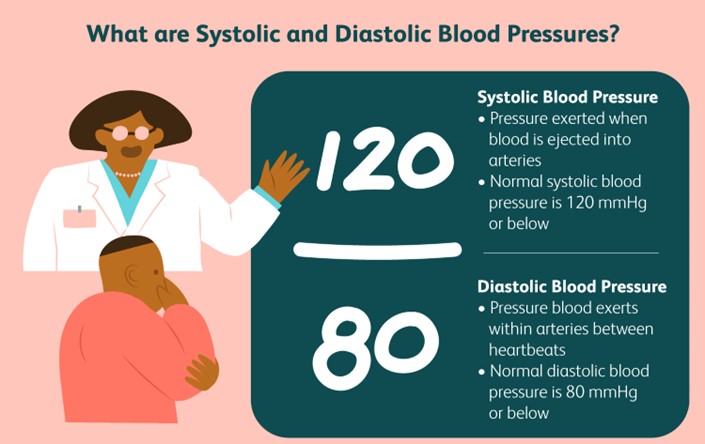
A. Systolic blood pressure is increased
Reason: This is correct because dopamine is a vasopressor that increases the contractility and stroke volume of the heart, which results in an increased systolic blood pressure.
B. Radial heart rate is increased
Reason: This is incorrect because dopamine can cause tachycardia as a side effect, but this does not indicate a therapeutic effect. An increased radial heart rate can also indicate other conditions, such as anxiety, fever, or dehydration.
C. Cardiac output is reduced
Reason: This is incorrect because dopamine does not reduce cardiac output, but rather increases it by improving the pumping function of the heart.
D. Urine output is reduced
Reason: This is incorrect because dopamine does not reduce urine output, but rather increases it by stimulating the renal blood vessels and enhancing renal perfusion.
This question is an excerpt from Nurse Dive's nursing test bank - ATI Med Surg Custom N235 Final Summer 2023 Proctored Exam. Take the full exam now
Full Explanation
Choice A Reason: This is correct because dopamine is a vasopressor that increases the contractility and stroke volume of the heart, which results in an increased systolic blood pressure.
Choice B Reason: This is incorrect because dopamine can cause tachycardia as a side effect, but this does not indicate a therapeutic effect. An increased radial heart rate can also indicate other conditions, such as anxiety, fever, or dehydration.
Choice C Reason: This is incorrect because dopamine does not reduce cardiac output, but rather increases it by improving the pumping function of the heart.
Choice D Reason: This is incorrect because dopamine does not reduce urine output, but rather increases it by stimulating the renal blood vessels and enhancing renal perfusion.
Similar Questions
A nurse is reviewing the PT, aPTT, and INR laboratory values for a client who is experiencing an acute episode of disseminated intravascular coagulation (DIC). Which of the following laboratory results should the nurse expect?
A. The laboratory values are within the expected reference range.
Reason: This is incorrect because the laboratory values are not within the expected reference range in a client who has DIC. DIC is a condition that causes abnormal activation of the clotting cascade, leading to widespread microthrombi formation and consumption of clotting factors and platelets. This results in bleeding complications and organ dysfunction.
B. The laboratory values are prolonged.
Reason: This is correct because the laboratory values are prolonged in a client who has DIC. PT, aPTT, and INR are tests that measure the time it takes for blood to clot. PT measures the extrinsic pathway, aPTT measures the intrinsic pathway, and INR is a standardized ratio of PT. In DIC, these tests are prolonged because of the depletion of clotting factors and platelets.
C. The laboratory values are the same as the previous test values.
Reason: This is incorrect because the laboratory values are not the same as the previous test values in a client who has DIC. DIC is an acute and dynamic condition that can change rapidly depending on the underlying cause and treatment. The laboratory values may fluctuate between normal, prolonged, or shortened depending on the balance between clotting and bleeding.
D. The laboratory values are decreased.
Reason: This is incorrect because the laboratory values are not decreased in a client who has DIC. Decreased laboratory values would indicate a shortened clotting time, which can occur in some cases of DIC when there is excessive clotting and thrombosis. However, this is not the typical finding in DIC, as most clients present with bleeding manifestations and prolonged clotting time.
Full Explanation
Choice A Reason: This is incorrect because the laboratory values are not within the expected reference range in a client who has DIC. DIC is a condition that causes abnormal activation of the clotting cascade, leading to widespread microthrombi formation and consumption of clotting factors and platelets. This results in bleeding complications and organ dysfunction.
Choice B Reason: This is correct because the laboratory values are prolonged in a client who has DIC. PT, aPTT, and INR are tests that measure the time it takes for blood to clot. PT measures the extrinsic pathway, aPTT measures the intrinsic pathway, and INR is a standardized ratio of PT. In DIC, these tests are prolonged because of the depletion of clotting factors and platelets.
Choice C Reason: This is incorrect because the laboratory values are not the same as the previous test values in a client who has DIC. DIC is an acute and dynamic condition that can change rapidly depending on the underlying cause and treatment. The laboratory values may fluctuate between normal, prolonged, or shortened depending on the balance between clotting and bleeding.
Choice D Reason: This is incorrect because the laboratory values are not decreased in a client who has DIC. Decreased laboratory values would indicate a shortened clotting time, which can occur in some cases of DIC when there is excessive clotting and thrombosis. However, this is not the typical finding in DIC, as most clients present with bleeding manifestations and prolonged clotting time.
A nurse in an emergency department is caring for a client who had a seizure and became unresponsive after stating she had a sudden, severe headache and vomiting. The client's vital signs are as follows: blood pressure of 198/110 mm Hg, pulse of 82/min, respirations of 24/min, and a temperature of 38.2° C (100.8° F). Which of the following neurologic disorders should the nurse suspect?
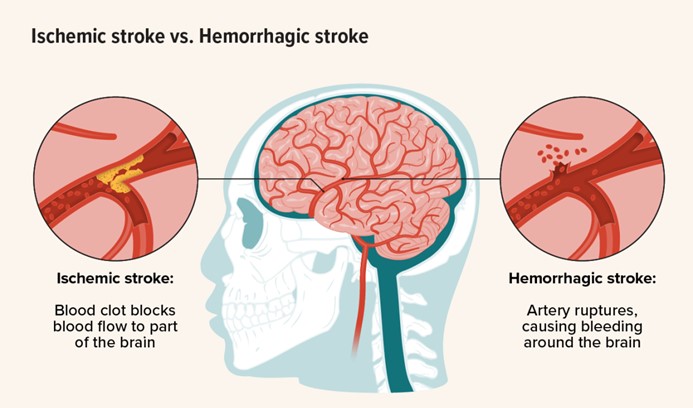
A. Thrombotic stroke
Reason: This is incorrect because a thrombotic stroke is caused by a clot that forms in a cerebral artery, usually due to atherosclerosis. It typically occurs gradually and does not cause a sudden, severe headache or seizure.
B. Embolic stroke
Reason: This is incorrect because an embolic stroke is caused by a clot that travels from another part of the body, such as the heart, to a cerebral artery. It usually occurs abruptly and does not cause vomiting or fever.
C. Transient ischemic atack (TIA)
Reason: This is incorrect because a transient ischemic atack (TIA) is caused by a temporary interruption of blood flow to a part of the brain. It usually lasts less than an hour and does not cause permanent brain damage or loss of consciousness.
D. Hemorrhagic stroke
Reason: This is correct because a hemorrhagic stroke is caused by a rupture of a blood vessel in the brain, resulting in bleeding into the brain tissue or the subarachnoid space. It usually causes a sudden, severe headache, vomiting, seizure, and loss of consciousness. It can also cause elevated blood pressure, fever, and increased intracranial pressure.
Full Explanation
Choice A Reason: This is incorrect because a thrombotic stroke is caused by a clot that forms in a cerebral artery, usually due to atherosclerosis. It typically occurs gradually and does not cause a sudden, severe headache or seizure.
Choice B Reason: This is incorrect because an embolic stroke is caused by a clot that travels from another part of the body, such as the heart, to a cerebral artery. It usually occurs abruptly and does not cause vomiting or fever.
Choice C Reason: This is incorrect because a transient ischemic atack (TIA) is caused by a temporary interruption of blood flow to a part of the brain. It usually lasts less than an hour and does not cause permanent brain damage or loss of consciousness.
Choice D Reason: This is correct because a hemorrhagic stroke is caused by a rupture of a blood vessel in the brain, resulting in bleeding into the brain tissue or the subarachnoid space. It usually causes a sudden, severe headache, vomiting, seizure, and loss of consciousness. It can also cause elevated blood pressure, fever, and increased intracranial pressure.
A nurse is caring for a client who has an epidural hematoma. Which of the following manifestations should the nurse expect?
A. Cognitive impairment that decreases over several months post-injury
Reason: This is incorrect because cognitive impairment that decreases over several months post-injury is more likely to occur in a client who has a diffuse axonal injury, which is a widespread damage to the brain's white mater.
B. Neurologic deficits that increase up to 2 weeks post-injury
Reason: This is incorrect because neurologic deficits that increase up to 2 weeks post-injury are more likely to occur in a client who has a subdural hematoma, which is a collection of blood between the dura and the arachnoid membranes.
C. A change in the level of consciousness that develops over 48 hr
Reason: This is incorrect because a change in the level of consciousness that develops over 48 hr is more likely to occur in a client who has an intracerebral hematoma, which is a collection of blood within the brain tissue.
D. A lucid period followed by an immediate loss of consciousness
Reason: This is correct because a lucid period followed by an immediate loss of consciousness is a typical manifestation of an epidural hematoma, which is a collection of blood between the skull and the dura. The lucid period occurs when the initial bleeding stops and the client regains consciousness. The immediate loss of consciousness occurs when the bleeding resumes and causes increased intracranial pressure.
Full Explanation
Choice A Reason: This is incorrect because cognitive impairment that decreases over several months post-injury is more likely to occur in a client who has a diffuse axonal injury, which is a widespread damage to the brain's white mater.
Choice B Reason: This is incorrect because neurologic deficits that increase up to 2 weeks post-injury are more likely to occur in a client who has a subdural hematoma, which is a collection of blood between the dura and the arachnoid membranes.
Choice C Reason: This is incorrect because a change in the level of consciousness that develops over 48 hr is more likely to occur in a client who has an intracerebral hematoma, which is a collection of blood within the brain tissue.
Choice D Reason: This is correct because a lucid period followed by an immediate loss of consciousness is a typical manifestation of an epidural hematoma, which is a collection of blood between the skull and the dura. The lucid period occurs when the initial bleeding stops and the client regains consciousness. The immediate loss of consciousness occurs when the bleeding resumes and causes increased intracranial pressure.