Nursing practice questions with comprehensive rationales
NurseDive Free Nursing Practice Question
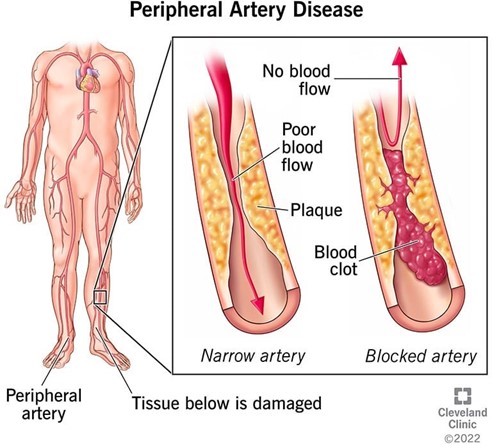
A nurse is assessing a male client who has advanced peripheral artery disease (PAD). Which of the following findings should the nurse expect?
A. Thin, pliable toenails
Thin, pliable toenails are not a typical finding of PAD, but they may indicate a fungal infection or a normal aging process.
B. Hairy legs
Hairy legs are not a finding of PAD, but rather the opposite. Hair loss on the legs is a sign of PAD, due to the reduced blood supply to the hair follicles.
C. Leg pain at rest
feet or toes that occurs at night and is not relieved by rest.
D. Flushed, warm legs
Flushed, warm legs are not a finding of PAD, but rather a sign of inflammation, infection, or cellulitis.
This question is an excerpt from Nurse Dive's nursing test bank - College Proctored Exam 2 perfusion euro pm. Take the full exam now
Full Explanation
feet or toes that occurs at night and is not relieved by rest.
Similar Questions
A nurse is performing a cardiac assessment on a client and auscultates an S3 sound. The nurse should recognize that this sound represents which of the following heart conditions?
A. Closure of pulmonic valve
Closure of pulmonic valve is one of the components of the S2 sound, which is a high-pitched sound heard at the end of systole, just before the S1 sound. It is caused by the closure of the semilunar valves (pulmonic and aortic).
B. Closure of the mitral valve
Closure of the mitral valve is one of the components of the S1 sound, which is a high-pitched sound heard at the beginning of systole, just after the S2 sound. It is caused by the closure of the atrioventricular valves (mitral and tricuspid).
C. Ventricular gallop
D. Atrial gallop
Atrial gallop is another name for the S4 sound, which is a low-pitched sound heard at the end of diastole, just before the S1 sound. It is caused by atrial contraction and increased resistance to ventricular filling.
Full Explanation
Ventricular gallop is another name for the S3 sound, which is a low-pitched sound heard at the end of diastole, just after the S2 sound. It is caused by the rapid filling of the ventricles and the vibration of the ventricular walls.
Closure of the pulmonic valve is one of the components of the S2 sound, which is a high-pitched sound heard at the end of the systole, just before the S1 sound. It is caused by the closure of the semilunar valves (pulmonic and aortic).
Closure of the mitral valve is one of the components of the S1 sound, which is a high-pitched sound heard at the beginning of systole, just after the S2 sound. It is caused by the closure of the atrioventricular valves (mitral and tricuspid).
d. Atrial gallop is another name for the S4 sound, which is a low-pitched sound heard at the end of diastole, just before the S1 sound. It is caused by atrial contraction and increased resistance to ventricular filling.
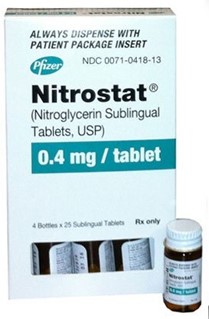
A nurse is teaching a client who has angina pectoris about starting therapy with SL nitroglycerin tablets. The nurse should include which of the following instructions regarding how to take the medication?
A. Take this medication after each meal and at bedtime.
Taking this medication after each meal and at bedtime is not appropriate, as SL nitroglycerin tablets are not meant for routine or prophylactic use, but only for acute episodes of angina.
B. Take one tablet every 15 min during an acute atack.
Taking one tablet every 15 min during an acute attack is not correct, as the client should not exceed three doses in 15 min. If the pain is not relieved after three doses, the client should seek emergency medical attention.
C. Take this medication with 8 ounces of water.
Taking this medication with 8 ounces of water is not necessary, as SL nitroglycerin tablets do not need to be swallowed or washed down with water. They should be dissolved under the tongue for optimal absorption.
D. Take one tablet at the first indication of chest pain.
Full Explanation
Taking one tablet at the first indication of chest pain is the correct way to use SL nitroglycerin tablets, as they are fast- acting and can relieve anginal symptoms within minutes. The client should place the tablet under the tongue and let it dissolve.
Taking one tablet at the first indication of chest pain is the correct way to use SL nitroglycerin tablets, as they are fast- acting and can relieve anginal symptoms within minutes. The client should place the tablet under the tongue and let it dissolve.
Taking this medication after each meal and at bedtime is not appropriate, as SL nitroglycerin tablets are not meant for routine or prophylactic use, but only for acute episodes of angina.
Taking one tablet every 15 min during an acute attack is not correct, as the client should not exceed three doses in 15 min. If the pain is not relieved after three doses, the client should seek emergency medical attention.
Taking this medication with 8 ounces of water is not necessary, as SL nitroglycerin tablets do not need to be swallowed or washed down with water. They should be dissolved under the tongue for optimal absorption.
A nurse is providing instructions to a client who has a new prescription for sublingual nitroglycerin (Nitrostat) to treat angina pectoris. Which of the following instructions should the nurse include?
A. Avoid taking the medication prior to exercising.
Avoiding taking the medication prior to exercising is not correct, as sublingual nitroglycerin can be used prophylactically before activities that may trigger angina, such as exercise, stress, or cold exposure.
B. Stop taking the medication and notify your provider if you develop a headache.
Stopping taking the medication and notifying the provider if a headache develops is not necessary, as headache is a common and expected side effect of sublingual nitroglycerin, due to its vasodilating action. The client can take an over-the-counter analgesic to relieve the headache, unless contraindicated.
C. Place the tablet under your tongue, and then take a small sip of water.
Placing the tablet under the tongue and then taking a small sip of water is the correct way to use sublingual nitroglycerin, as it helps dissolve the tablet and enhance absorption.
D. The medication can take up to 15 minutes to take effect.
The medication can take up to 15 minutes to take effect is not accurate, as sublingual nitroglycerin is fast-acting and can relieve anginal symptoms within minutes. If the pain is not relieved after one dose, the client can repeat the dose every 5 minutes for up to three doses. If the pain persists after three doses, the client should seek emergency medical atention.
Full Explanation