
Nursing practice questions with comprehensive rationales
NurseDive Free Nursing Practice Question
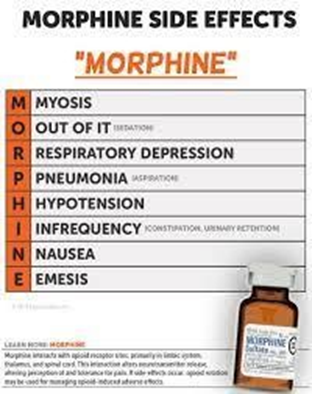
A nurse is assessing a school-age child who is receiving morphine. For which of the following adverse effects should the nurse monitor?
A. Prolonged wound healing
This is not a common adverse effect associated with morphine.
B. Nausea
Nausea is a common adverse effect of morphine and should be monitored for, particularly in pediatric patients.
C. Stevens-Johnson syndrome
Stevens-Johnson syndrome is a severe allergic reaction and is not typically associated with morphine.
D. Renal failure
While morphine can cause urinary retention, it is not typically associated with renal failure.
This question is an excerpt from Nurse Dive's nursing test bank - Ati Rn Paediatric Nursing 2023 Proctored Exam. Take the full exam now
Full Explanation
Rationale:
A. This is not a common adverse effect associated with morphine.
B. Nausea is a common adverse effect of morphine and should be monitored for, particularly in pediatric patients.
C. Stevens-Johnson syndrome is a severe allergic reaction and is not typically associated with morphine.
D. While morphine can cause urinary retention, it is not typically associated with renal failure.
Similar Questions
A nurse is caring for a school-age child who has heart failure. Which of the following findings should the nurse expect?Select all that apply.
A. Cyanosis
Cyanosis can occur in children with heart failure due to inadequate oxygenation of tissues.
B. Weight loss
Weight gain or fluid retention is more common in children with heart failure.
C. Bounding peripheral pulses
Bounding pulses are more commonly associated with conditions such as hypertension or hyperthyroidism, rather than heart failure.
D. Dyspnea
Dyspnea, or difficulty breathing, is a common symptom of heart failure due to fluid buildup in the lungs.
E. Tachycardia
Tachycardia, or a rapid heart rate, can occur as a compensatory mechanism in response to decreased cardiac output in heart failure.
Full Explanation
Rationale:
A. Cyanosis can occur in children with heart failure due to inadequate oxygenation of tissues.
B. Weight gain or fluid retention is more common in children with heart failure.
C. Bounding pulses are more commonly associated with conditions such as hypertension or hyperthyroidism, rather than heart failure.
D. Dyspnea, or difficulty breathing, is a common symptom of heart failure due to fluid buildup in the lungs.
E. Tachycardia, or a rapid heart rate, can occur as a compensatory mechanism in response to decreased cardiac output in heart failure.
A nurse is providing teaching to the parent of a school-age child who has a maintenance prescription for prednisone following an acute asthma attack. Which of the following statements by the parent indicates an understanding of the teaching?
A. "My child might experience mood swings."
Mood swings are a common side effect of prednisone and indicate an understanding of the potential adverse effects.
B. “I should take my child to the clinic for a weekly blood test."
Routine blood tests are not typically required for children on maintenance prednisone therapy for asthma.
C. “I should withhold my child's medication before physical activity."
Prednisone should not be withheld before physical activity, as it is a maintenance medication for asthma.
D. "My child might have a decreased appetite."
Decreased appetite is a common side effect of prednisone but is not the best indicator of understanding the teaching.
Full Explanation
Rationale:
A. Mood swings are a common side effect of prednisone and indicate an understanding of the potential adverse effects.
B. Routine blood tests are not typically required for children on maintenance prednisone therapy for asthma.
C. Prednisone should not be withheld before physical activity, as it is a maintenance medication for asthma.
D. Decreased appetite is a common side effect of prednisone but is not the best indicator of understanding the teaching.
A nurse is caring for a child whose guardian requests information about essential oils to help their child relax. Which of the following oils should the nurse recommend?
A. Lavender
Lavender oil is commonly used for relaxation and calming effects.
B. Eucalyptus
Eucalyptus oil is more commonly used for respiratory issues and may not be as suitable for relaxation.
C. Jasmine
Jasmine oil is often used for its pleasant scent but may not have the same relaxation properties as lavender.
D. Tea tree
Tea tree oil is typically used for its antimicrobial properties and may not be as effective for relaxation purposes as lavender.
Full Explanation
Rationale:
A. Lavender oil is commonly used for relaxation and calming effects.

B. Eucalyptus oil is more commonly used for respiratory issues and may not be as suitable for relaxation.
C. Jasmine oil is often used for its pleasant scent but may not have the same relaxation properties as lavender.
D. Tea tree oil is typically used for its antimicrobial properties and may not be as effective for relaxation purposes as lavender.