
Nursing practice questions with comprehensive rationales
NurseDive Free Nursing Practice Question
A nurse is assessing a school-age child's cranial nerve function.
Which of the following actions should the nurse ask the child to take when assessing the accessory nerve?
A. Follow a light in the six cardinal positions.
Choice A is wrong because following a light in the six cardinal positions tests the function of cranial nerves III, IV, and VI.
B. Move their tongue in all directions.
Choice B is wrong because moving their tongue in all directions tests the function of cranial nerve XII.
C. Show their teeth while smiling.
Choice C is wrong because showing their teeth while smiling tests the function of cranial nerve VII.
D. Shrug their shoulders against mild pressure.
The accessory nerve is tested by evaluating the function of the trapezius and sternocleidomastoid muscles. The trapezius muscle is tested by asking the patient to shrug their shoulders with and without resistance.
This question is an excerpt from Nurse Dive's nursing test bank - ATI RN Nursing Care of Children 2019 Proctored Exam. Take the full exam now
Full Explanation
The accessory nerve is tested by evaluating the function of the trapezius and sternocleidomastoid muscles.
The trapezius muscle is tested by asking the patient to shrug their shoulders with and without resistance.
Choice A is wrong because following a light in the six cardinal positions tests the function of cranial nerves III, IV, and VI.
Choice B is wrong because moving their tongue in all directions tests the function of cranial nerve XII.
Choice C is wrong because showing their teeth while smiling tests the function of cranial nerve VII.
Similar Questions
A nurse is caring for a 10-month-old child who was brought to the emergency department by his parents following a head injury.
Which of the following actions should the nurse take first?
A. Assess respiratory status.
The first action the nurse should take is to assess the respiratory status of the infant. After a head injury, it is important to ensure that the child’s airway is clear and that they are breathing adequately. This is a crucial step in providing care for a patient with a head injury.
B. Inspect for fluid leaking from the ears.
Choice B is wrong because inspecting for fluid leaking from the ears is not the first priority.
C. Examine the scalp for lacerations.
Choice C is wrong because examining the scalp for lacerations is not the first priority.
D. Check pupil reactions.
Choice D is wrong because checking pupil reactions is not the first priority.
Full Explanation
The first action the nurse should take is to assess the respiratory status of the infant.
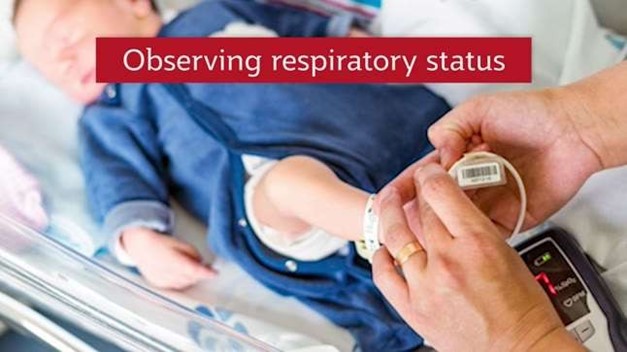
After a head injury, it is important to ensure that the child’s airway is clear and that they are breathing adequately.
This is a crucial step in providing care for a patient with a head injury.
Choice B is wrong because inspecting for fluid leaking from the ears is not the first priority.
Choice C is wrong because examining the scalp for lacerations is not the first priority.
Choice D is wrong because checking pupil reactions is not the first priority.
A nurse is planning care for an 8-month-old infant who has heart failure. Which of the following actions should the nurse include in the plan of care?
A. Administer cool, humidified oxygen via nasal cannula.
Infants with heart failure often present with breathing trouble1, and administering oxygen can help improve oxygen delivery.
B. Place the infant in a prone position.
Choice B is wrong because placing an infant in a prone position does not help with heart failure.
C. Repeat a digoxin dosage if the infant vomits within 1 hr of administration.
Choice C is wrong because if an infant vomits within 1 hour of administration of digoxin, the dosage should not be repeated without consulting a healthcare provider.
D. Provide less frequent, higher volume feedings.
Choice D is wrong because infants with heart failure may have feeding issues and providing less frequent, higher volume feedings may not be helpful34.
Full Explanation
Infants with heart failure often present with breathing trouble1, and administering oxygen can help improve oxygen delivery.
Choice B is wrong because placing an infant in a prone position does not help with heart failure.
Choice C is wrong because if an infant vomits within 1 hour of administration of digoxin, the dosage should not be repeated without consulting a healthcare provider.
Choice D is wrong because infants with heart failure may have feeding issues and providing less frequent, higher volume feedings may not be helpful34.
A nurse is caring for an adolescent who is 1 hr postoperative following an appendectomy.
Which of the following findings should the nurse report to the provider?
A. Muscle rigidity.
Muscle rigidity following an appendectomy could be a sign of a serious complication such as peritonitis and should be reported to the provider immediately.
B. Abdominal pain.
Choice B is wrong because abdominal pain is a common occurrence following an appendectomy and may not necessarily require immediate attention from the provider.
C. Temperature 36.4° C (97.5° F).
Choice C is wrong because a temperature of 36.4° C (97.5° F) is within the normal range.
D. Heart rate 63/min.
Choice D is wrong because a heart rate of 63/min is within the normal range for an adolescent.
Full Explanation
Muscle rigidity following an appendectomy could be a sign of a serious complication such as peritonitis and should be reported to the provider immediately.
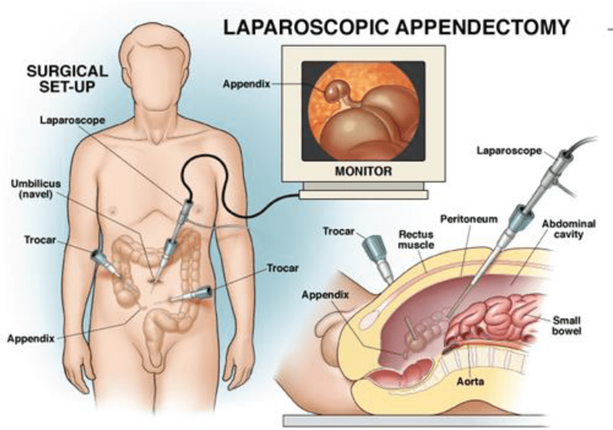
Choice B is wrong because abdominal pain is a common occurrence following an appendectomy and may not necessarily require immediate attention from the provider.
Choice C is wrong because a temperature of 36.4° C (97.5° F) is within the normal range.
Choice D is wrong because a heart rate of 63/min is within the normal range for an adolescent.