
Nursing practice questions with comprehensive rationales
NurseDive Free Nursing Practice Question
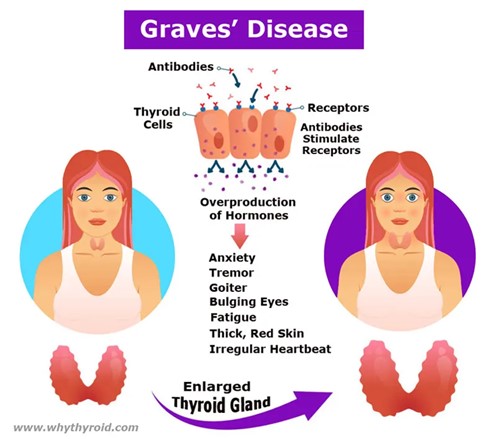
A nurse is assessing an adolescent who has an exacerbation of Graves' disease (Hyperthyroidism). Which of the following findings should the nurse expect?
A. Heat intolerance
Heat intolerance.Explanation: This statement is true. Heat intolerance is a common symptom of hyperthyroidism, including Graves' disease. People with hyperthyroidism often have an overactive thyroid gland that produces an excessive amount of thyroid hormones. This can lead to an increased metabolic rate, which in turn makes them sensitive to heat. They may feel excessively warm, sweat more than usual, and have difficulty tolerating hot weather.
B. Weight gain
Weight gain.Explanation: This statement is false. Weight gain is not a typical finding in Graves' disease or hyperthyroidism. In fact, one of the hallmark symptoms of hyperthyroidism is unexplained weight loss despite increased appetite. The elevated levels of thyroid hormones cause an increase in metabolism, leading to weight loss.
C. Bradycardia
Bradycardia. Explanation: This statement is false. Bradycardia refers to an abnormally slow heart rate, typically below 60 beats per minute. In hyperthyroidism, the heart rate is often elevated rather than slowed down. The excessive thyroid hormones can lead to an increased heart rate (tachycardia) and palpitations. It's important to note that if the question were about hypothyroidism (underactive thyroid), bradycardia might be more relevant.
D. Lethargy
Lethargy.Explanation: This statement is false. Lethargy, or a state of extreme tiredness and lack of energy, is more commonly associated with hypothyroidism (underactive thyroid) rather than hyperthyroidism. Hyperthyroidism usually leads to symptoms of increased energy, restlessness, and hyperactivity due to the elevated metabolic rate caused by excess thyroid hormones.
This question is an excerpt from Nurse Dive's nursing test bank - ATI PAEDIATRICS PROCTORED EXAM - SIMMONS U BSN. Take the full exam now
Full Explanation
A) Heat intolerance.
Explanation: This statement is true. Heat intolerance is a common symptom of hyperthyroidism, including Graves' disease. People with hyperthyroidism often have an overactive thyroid gland that produces an excessive amount of thyroid hormones. This can lead to an increased metabolic rate, which in turn makes them sensitive to heat. They may feel excessively warm, sweat more than usual, and have difficulty tolerating hot weather.
B) Weight gain.
Explanation: This statement is false. Weight gain is not a typical finding in Graves' disease or hyperthyroidism. In fact, one of the hallmark symptoms of hyperthyroidism is unexplained weight loss despite increased appetite. The elevated levels of thyroid hormones cause an increase in metabolism, leading to weight loss.
C) Bradycardia.
Explanation: This statement is false. Bradycardia refers to an abnormally slow heart rate, typically below 60 beats per minute. In hyperthyroidism, the heart rate is often elevated rather than slowed down. The excessive thyroid hormones can lead to an increased heart rate (tachycardia) and palpitations. It's important to note that if the question were about hypothyroidism (underactive thyroid), bradycardia might be more relevant.
D) Lethargy.
Explanation: This statement is false. Lethargy, or a state of extreme tiredness and lack of energy, is more commonly associated with hypothyroidism (underactive thyroid) rather than hyperthyroidism. Hyperthyroidism usually leads to symptoms of increased energy, restlessness, and hyperactivity due to the elevated metabolic rate caused by excess thyroid hormones.
Similar Questions
The mother of a 1-month-old infant tells the nurse she worries that her baby will get meningitis like the child's older brother had when he was an infant. The nurse should base her response on which of the following?
A. Vaccinations to prevent pneumococcal and Haemophilus influenzae type B meningitis are available.
Vaccinations to prevent pneumococcal and Haemophilus influenzae type B meningitis are available.Explanation: This statement is true. Vaccinations to prevent certain types of bacterial meningitis are available. Pneumococcal and Haemophilus influenzae type B (Hib) vaccines are included in routine childhood immunization schedules to protect against the bacteria that can cause meningitis and other serious infections. These vaccines have significantly reduced the incidence of bacterial meningitis in infants and children.
B. Often a genetic predisposition to meningitis is found.
Often a genetic predisposition to meningitis is found.Explanation: This statement is generally false. While there may be some genetic factors that influence susceptibility to infections, including meningitis, genetic predisposition is not a primary consideration when discussing the risk of meningitis. Meningitis is more commonly caused by bacterial or viral infections, and genetic predisposition is not a significant factor in its occurrence.
C. Meningitis rarely occurs during infancy
Meningitis rarely occurs during infancy. Explanation: This statement is false. Meningitis can occur in infants, including newborns. In fact, infants are one of the age groups at higher risk for meningitis due to their underdeveloped immune systems and susceptibility to infections. Bacterial meningitis, in particular, can be severe and life-threatening in infants.
D. Vaccination to prevent all types of meningitis is now available
Vaccination to prevent all types of meningitis is now available.Explanation: This statement is not entirely accurate. While vaccinations are available to prevent certain types of bacterial meningitis (such as pneumococcal and Hib meningitis), there is no single vaccine that can prevent all types of meningitis. Meningitis can be caused by various bacteria, viruses, and other pathogens, and the vaccines target specific ones. It's important for caregivers to ensure that their infants receive recommended vaccines to protect against the most common causes of meningitis.
Full Explanation
A) Vaccinations to prevent pneumococcal and Haemophilus influenzae type B meningitis are available.
Explanation: This statement is true. Vaccinations to prevent certain types of bacterial meningitis are available. Pneumococcal and Haemophilus influenzae type B (Hib) vaccines are included in routine childhood immunization schedules to protect against the bacteria that can cause meningitis and other serious infections. These vaccines have significantly reduced the incidence of bacterial meningitis in infants and children.
B) Often a genetic predisposition to meningitis is found.
Explanation: This statement is generally false. While there may be some genetic factors that influence susceptibility to infections, including meningitis, genetic predisposition is not a primary consideration when discussing the risk of meningitis. Meningitis is more commonly caused by bacterial or viral infections, and genetic predisposition is not a significant factor in its occurrence.
C) Meningitis rarely occurs during infancy.
Explanation: This statement is false. Meningitis can occur in infants, including newborns. In fact, infants are one of the age groups at higher risk for meningitis due to their underdeveloped immune systems and susceptibility to infections. Bacterial meningitis, in particular, can be severe and life-threatening in infants.
D) Vaccination to prevent all types of meningitis is now available.
Explanation: This statement is not entirely accurate. While vaccinations are available to prevent certain types of bacterial meningitis (such as pneumococcal and Hib meningitis), there is no single vaccine that can prevent all types of meningitis. Meningitis can be caused by various bacteria, viruses, and other pathogens, and the vaccines target specific ones. It's important for caregivers to ensure that their infants receive recommended vaccines to protect against the most common causes of meningitis.
A nurse is caring for four clients for whom she has to administer oral medications in the morning. The nurse should administer which of the following medications before breakfast?
A. Levothyroxine
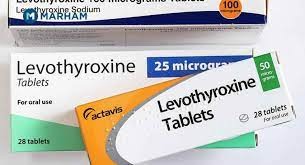
LevothyroxineCorrect Answer: Levothyroxine should be administered before breakfast.Explanation: Levothyroxine is a synthetic thyroid hormone used to treat hypothyroidism. It needs to be taken on an empty stomach, at least 30 minutes before eating, to ensure proper absorption. Food can interfere with its absorption, especially foods containing calcium, iron, and fiber.
B. Digoxin
DigoxinIncorrect Explanation: Digoxin does not need to be administered before breakfast. Explanation: Digoxin is a medication used to treat heart conditions like congestive heart failure and atrial fibrillation. It doesn't have specific instructions regarding administration in relation to meals. It's important to administer digoxin consistently at the same time every day, but it doesn't need to be taken specifically before or after breakfast.
C. Divalproex
DivalproexIncorrect Explanation: Divalproex does not need to be administered before breakfast.Explanation: Divalproex is used to treat conditions like epilepsy and bipolar disorder. It can be taken with or without food. While taking it with food might reduce the likelihood of stomach upset, there's no requirement to take it specifically before breakfast.
D. Mycostatin mouthwash
Mycostatin MouthwashIncorrect Explanation: Mycostatin mouthwash is not related to breakfast timing.Explanation: Mycostatin is an antifungal medication used to treat fungal infections in the mouth (oral thrush). Its administration is not linked to meal times. It's typically swished around in the mouth and then swallowed or spit out, depending on the specific instructions provided by the healthcare provider.
Full Explanation
A. Levothyroxine
Correct Answer: Levothyroxine should be administered before breakfast.
Explanation: Levothyroxine is a synthetic thyroid hormone used to treat hypothyroidism. It needs to be taken on an empty stomach, at least 30 minutes before eating, to ensure proper absorption. Food can interfere with its absorption, especially foods containing calcium, iron, and fiber.
B. Digoxin
Incorrect Explanation: Digoxin does not need to be administered before breakfast.
Explanation: Digoxin is a medication used to treat heart conditions like congestive heart failure and atrial fibrillation. It doesn't have specific instructions regarding administration in relation to meals. It's important to administer digoxin consistently at the same time every day, but it doesn't need to be taken specifically before or after breakfast.
C. Divalproex
Incorrect Explanation: Divalproex does not need to be administered before breakfast.
Explanation: Divalproex is used to treat conditions like epilepsy and bipolar disorder. It can be taken with or without food. While taking it with food might reduce the likelihood of stomach upset, there's no requirement to take it specifically before breakfast.
D. Mycostatin Mouthwash
Incorrect Explanation: Mycostatin mouthwash is not related to breakfast timing.
Explanation: Mycostatin is an antifungal medication used to treat fungal infections in the mouth (oral thrush). Its administration is not linked to meal times. It's typically swished around in the mouth and then swallowed or spit out, depending on the specific instructions provided by the healthcare provider.
When measuring a 6-month-old baby in the hospital for seizures, the nurse obtains a head circumference that is up 1 cm from the last measurement one week ago. The nurse re-measures and gets the same number What is the best next step?
A. Assume you made a mistake and report out the same head circumference as the before
Assume you made a mistake and report out the same head circumference as before.Incorrect Explanation: Assuming a mistake without taking proper action might not be the best approach.Explanation: While it's good to consider the possibility of human error, healthcare professionals should prioritize accurate measurements and follow appropriate protocols when discrepancies arise.
B. Take Vital Signs
Take Vital Signs.Incorrect Explanation: Taking vital signs might not directly address the concern about the head circumference measurement.Explanation: Vital signs (like heart rate, respiratory rate, blood pressure) are important indicators of a patient's overall health, but they may not directly address the issue of the head circumference measurement discrepancy.
C. Report to the MD/NP/PA in charge of the patient the head circumference that you obtained as well as the patient's current status. Expect that they will also re-measure
Report to the MD/NP/PA in charge of the patient the head circumference that you obtained as well as the patient's current status. Expect that they will also re-measure. Correct Explanation: This is the best next step.Explanation: When there's a discrepancy in a critical measurement like head circumference, it's important to communicate this to the responsible healthcare provider (MD/NP/PA). They need to be aware of any changes in the patient's condition and measurements, and they will likely want to re-measure or reassess the situation themselves to ensure accuracy.
D. Move your measuring tape to above the mid-forehead, so that your number matches the findings from the week before.
Move your measuring tape to above the mid-forehead, so that your number matches the findings from the week before.Incorrect Explanation: Fudging measurements to match previous data is not a professional or ethical approach.Explanation: Altering measurements to match previous values, especially without proper indication, is not a responsible practice in healthcare. It's essential to ensure accurate and honest documentation.
Full Explanation
A. Assume you made a mistake and report out the same head circumference as before.
Incorrect Explanation: Assuming a mistake without taking proper action might not be the best approach.
Explanation: While it's good to consider the possibility of human error, healthcare professionals should prioritize accurate measurements and follow appropriate protocols when discrepancies arise.
B. Take Vital Signs.
Incorrect Explanation: Taking vital signs might not directly address the concern about the head circumference measurement.
Explanation: Vital signs (like heart rate, respiratory rate, blood pressure) are important indicators of a patient's overall health, but they may not directly address the issue of the head circumference measurement discrepancy.
C. Report to the MD/NP/PA in charge of the patient the head circumference that you obtained as well as the patient's current status. Expect that they will also re-measure.
Correct Explanation: This is the best next step.
Explanation: When there's a discrepancy in a critical measurement like head circumference, it's important to communicate this to the responsible healthcare provider (MD/NP/PA). They need to be aware of any changes in the patient's condition and measurements, and they will likely want to re-measure or reassess the situation themselves to ensure accuracy.
D. Move your measuring tape to above the mid-forehead, so that your number matches the findings from the week before.
Incorrect Explanation: Fudging measurements to match previous data is not a professional or ethical approach.
Explanation: Altering measurements to match previous values, especially without proper indication, is not a responsible practice in healthcare. It's essential to ensure accurate and honest documentation.