
Nursing practice questions with comprehensive rationales
NurseDive Free Nursing Practice Question
A. 1 cup of brown rice
1 cup of brown rice contains about 84 mg of potassium, which is low compared to other foods.
B. One medium raw tomato
One medium raw tomato contains about 292 mg of potassium, which is moderate compared to other foods.
C. 1 oz of cheddar cheese
1 oz of cheddar cheese contains about 28 mg of potassium, which is very low compared to other foods.
D. One small baked potato
One small baked potato contains about 738 mg of potassium, which is very high compared to other foods. Potassium is important for nerve and muscle function, but too much can cause irregular heartbeat, muscle weakness, and nausea.
This question is an excerpt from Nurse Dive's nursing test bank - RN Nutrition 2019 Nexy Updated 2023 Proctored Exam. Take the full exam now
Full Explanation
Choice A reason: 1 cup of brown rice contains about 84 mg of potassium, which is low compared to other foods.
Choice B reason: One medium raw tomato contains about 292 mg of potassium, which is moderate compared to other foods.
Choice C reason: 1 oz of cheddar cheese contains about 28 mg of potassium, which is very low compared to other foods.
Choice D reason: One small baked potato contains about 738 mg of potassium, which is very high compared to other foods. Potassium is important for nerve and muscle function, but too much can cause irregular heartbeat, muscle weakness, and nausea.
Similar Questions
A nurse is caring for a client who is at risk for aspiration pneumonia due to dysphagia. Which of the following actions should the nurse take to prevent this complication?
A. Tell the client to lie down after eating.
Telling the client to lie down after eating can increase the risk of aspiration pneumonia, as food or liquids can enter the lungs more easily when lying down.
B. Instruct the client to tuck her chin when swallowing.
Instructing the client to tuck her chin when swallowing can help prevent aspiration pneumonia, as it closes off the airway and directs food or liquids into the esophagus.
C. Place the client in a Fowler's position to eat.
Placing the client in a Fowler's position to eat can help prevent aspiration pneumonia, as it elevates the head and chest and allows gravity to assist with swallowing.
D. Encourage the client to drink water before each meal.
Encouraging the client to drink water before each meal can increase the risk of aspiration pneumonia, as it can thin out saliva and make it harder to control swallowing.
Full Explanation
Choice A reason: Telling the client to lie down after eating can increase the risk of aspiration pneumonia, as food or liquids can enter the lungs more easily when lying down.
Choice B reason: Instructing the client to tuck her chin when swallowing can help prevent aspiration pneumonia, as it closes off the airway and directs food or liquids into the esophagus.
Choice C reason: Placing the client in a Fowler's position to eat can help prevent aspiration pneumonia, as it elevates the head and chest and allows gravity to assist with swallowing.
Choice D reason: Encouraging the client to drink water before each meal can increase the risk of aspiration pneumonia, as it can thin out saliva and make it harder to control swallowing.
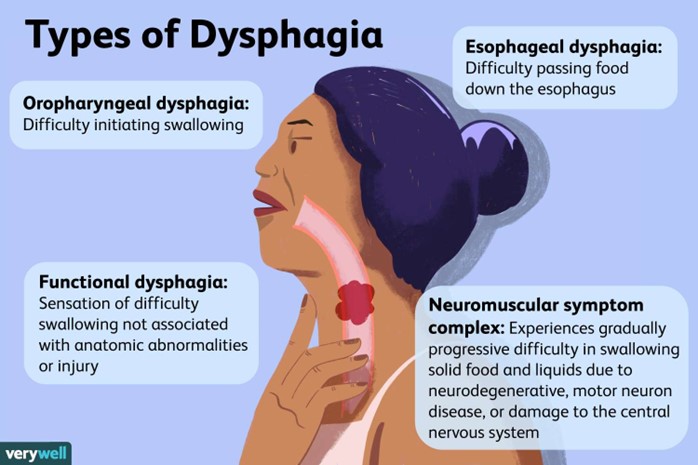
A nurse is caring for a client who has a nasogastric tube and is receiving a continuous tube feeding with a high-protein formula. Which of the following actions should the nurse take to prevent the tubing from clogging?
A. Flush the tubing with 10 mL water every 4 hours.
Flushing the tubing with water every 4 hours can prevent the tubing from clogging by clearing any residual formula or medication from the lumen.
B. Replace the bag and tubing every 24 hours.
Replacing the bag and tubing every 24 hours can prevent bacterial contamination, but it does not prevent the tubing from clogging.
C. Administer the feeding by gravity drip.
Administering the feeding by gravity drip can cause overfeeding, aspiration, or diarrhea, but it does not prevent the tubing from clogging.
D. Heat the formula prior to infusion.
Heating the formula prior to infusion can cause bacterial growth, nutrient loss, or burns, but it does not prevent the tubing from clogging.
Full Explanation
Choice A reason: Flushing the tubing with water every 4 hours can prevent the tubing from clogging by clearing any residual formula or medication from the lumen.
Choice B reason: Replacing the bag and tubing every 24 hours can prevent bacterial contamination, but it does not prevent the tubing from clogging.
Choice C reason: Administering the feeding by gravity drip can cause overfeeding, aspiration, or diarrhea, but it does not prevent the tubing from clogging.
Choice D reason: Heating the formula prior to infusion can cause bacterial growth, nutrient loss, or burns, but it does not prevent the tubing from clogging.
A nurse is caring for a client who has malnutrition. Which of the following findings should the nurse report to the provider?
A. BMI of 18.5
BMI of 18.5 is at the lower end of the normal range (18.5-24.9), but it does not indicate severe malnutrition.
B. Potassium 3.7 mEq/L
Potassium 3.7 mEq/L is within the normal range (3.5-5.0), and it does not indicate electrolyte imbalance due to malnutrition.
C. Phosphorus 3.5 mg/dL
Phosphorus 3.5 mg/dL is within the normal range (2.5-4.5), and it does not indicate mineral deficiency due to malnutrition.
D. Albumin 2.5 g/dL
Albumin 2.5 g/dL is below the normal range (3.5-5.0), and it indicates protein deficiency due to malnutrition. Albumin is a major protein in blood plasma that helps maintain fluid balance, transport hormones, and fight infections. Low albumin levels can cause edema, weakness, infection, and poor wound healing.
Full Explanation
Choice A reason: BMI of 18.5 is at the lower end of the normal range (18.5-24.9), but it does not indicate severe malnutrition.
Choice B reason: Potassium 3.7 mEq/L is within the normal range (3.5-5.0), and it does not indicate electrolyte imbalance due to malnutrition.
Choice C reason: Phosphorus 3.5 mg/dL is within the normal range (2.5-4.5), and it does not indicate mineral deficiency due to malnutrition.
Choice D reason: Albumin 2.5 g/dL is below the normal range (3.5-5.0), and it indicates protein deficiency due to malnutrition. Albumin is a major protein in blood plasma that helps maintain fluid balance, transport hormones, and fight infections. Low albumin levels can cause edema, weakness, infection, and poor wound healing.