Nursing practice questions with comprehensive rationales
NurseDive Free Nursing Practice Question
A. BMI of 18.5
BMI of 18.5 is at the lower end of the normal range (18.5-24.9), but it does not indicate severe malnutrition.
B. Potassium 3.7 mEq/L
Potassium 3.7 mEq/L is within the normal range (3.5-5.0), and it does not indicate electrolyte imbalance due to malnutrition.
C. Phosphorus 3.5 mg/dL
Phosphorus 3.5 mg/dL is within the normal range (2.5-4.5), and it does not indicate mineral deficiency due to malnutrition.
D. Albumin 2.5 g/dL
Albumin 2.5 g/dL is below the normal range (3.5-5.0), and it indicates protein deficiency due to malnutrition. Albumin is a major protein in blood plasma that helps maintain fluid balance, transport hormones, and fight infections. Low albumin levels can cause edema, weakness, infection, and poor wound healing.
This question is an excerpt from Nurse Dive's nursing test bank - RN Nutrition 2019 Nexy Updated 2023 Proctored Exam. Take the full exam now
Full Explanation
Choice A reason: BMI of 18.5 is at the lower end of the normal range (18.5-24.9), but it does not indicate severe malnutrition.
Choice B reason: Potassium 3.7 mEq/L is within the normal range (3.5-5.0), and it does not indicate electrolyte imbalance due to malnutrition.
Choice C reason: Phosphorus 3.5 mg/dL is within the normal range (2.5-4.5), and it does not indicate mineral deficiency due to malnutrition.
Choice D reason: Albumin 2.5 g/dL is below the normal range (3.5-5.0), and it indicates protein deficiency due to malnutrition. Albumin is a major protein in blood plasma that helps maintain fluid balance, transport hormones, and fight infections. Low albumin levels can cause edema, weakness, infection, and poor wound healing.
Similar Questions
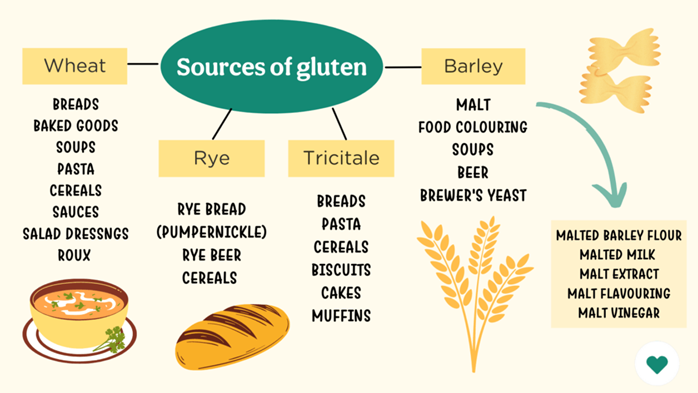
A nurse is providing breakfast for a client who has celiac disease. Which of the following meal items should the nurse select?
A. Graham crackers with peanut butter
Graham crackers are made from wheat flour, which contains gluten. Peanut butter is a good source of fat and protein, but it may also contain traces of gluten from cross-contamination.
B. Poached eggs with wheat bagel
Poached eggs are a good source of protein, but wheat bagel contains gluten, which is a protein found in wheat, barley, and rye. Gluten can damage the small intestine and cause malabsorption, diarrhea, and abdominal pain in people with celiac disease.
C. Rice cereal with sliced bananas
Rice cereal is gluten-free and a good source of carbohydrates. Sliced bananas are gluten-free and a good source of potassium, fiber, and vitamin C.
D. Rye toast with herbal tea
Rye toast contains gluten, which can harm people with celiac disease. Herbal tea is gluten-free and can help with hydration, but it does not provide enough calories or nutrients.
Full Explanation
Choice A reason: Graham crackers are made from wheat flour, which contains gluten. Peanut butter is a good source of fat and protein, but it may also contain traces of gluten from cross-contamination.
Choice B reason: Poached eggs are a good source of protein, but wheat bagel contains gluten, which is a protein found in wheat, barley, and rye. Gluten can damage the small intestine and cause malabsorption, diarrhea, and abdominal pain in people with celiac disease.
Choice C reason: Rice cereal is gluten-free and a good source of carbohydrates. Sliced bananas are gluten-free and a good source of potassium, fiber, and vitamin C.
Choice D reason: Rye toast contains gluten, which can harm people with celiac disease. Herbal tea is gluten-free and can help with hydration, but it does not provide enough calories or nutrients.
A nurse is developing a plan of care for a client who has radiation-induced diarrhea and nausea. Which of the following interventions should the nurse include in the plan?
A. Provide a snack 30 min before treatments
Providing a snack 30 min before treatments can worsen nausea and diarrhea, as food can stimulate gastric motility and secretion. It is better to avoid eating for at least 2 hours before and after treatments.
B. Ensure foods are served hot
Ensuring foods are served hot can increase nausea and diarrhea, as hot foods can have strong smells and irritate the digestive tract. It is better to serve foods at room temperature or cold.
C. Administer antiemetics on a schedule
Administering antiemetics on a schedule can prevent nausea and vomiting, which can lead to dehydration and electrolyte imbalance. Antiemetics can also reduce abdominal cramps and spasms that cause diarrhea.
D. Serve low carbohydrate meals
Serving low carbohydrate meals can aggravate diarrhea, as carbohydrates are the main source of energy for the body. It is better to serve high carbohydrate meals that are easy to digest, such as rice, potatoes, bread, or crackers.
Full Explanation
Choice A reason: Providing a snack 30 min before treatments can worsen nausea and diarrhea, as food can stimulate gastric motility and secretion. It is better to avoid eating for at least 2 hours before and after treatments.
Choice B reason: Ensuring foods are served hot can increase nausea and diarrhea, as hot foods can have strong smells and irritate the digestive tract. It is better to serve foods at room temperature or cold.
Choice C reason: Administering antiemetics on a schedule can prevent nausea and vomiting, which can lead to dehydration and electrolyte imbalance. Antiemetics can also reduce abdominal cramps and spasms that cause diarrhea.
Choice D reason: Serving low carbohydrate meals can aggravate diarrhea, as carbohydrates are the main source of energy for the body. It is better to serve high carbohydrate meals that are easy to digest, such as rice, potatoes, bread, or crackers.
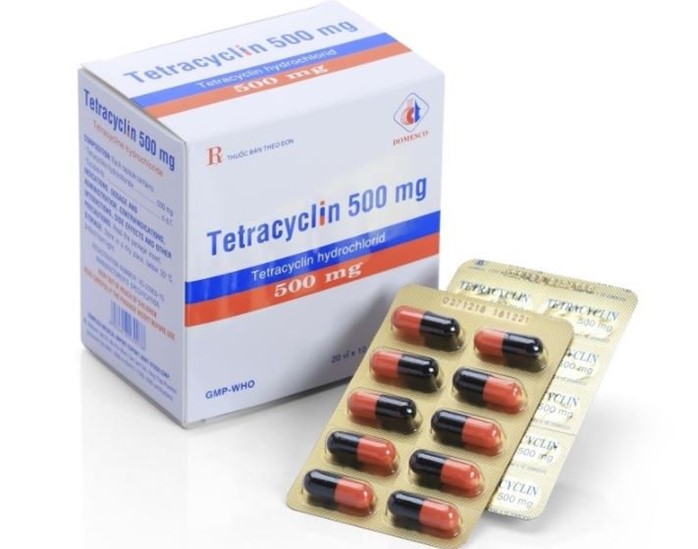
A nurse is teaching a client who has a new prescription for tetracycline. Which of the following nutritional considerations should the nurse note in the teaching?
A. Increase vitamin C intake while taking this medication.
Increasing vitamin C intake while taking this medication is not necessary, as vitamin C does not interact with tetracycline. Vitamin C is important for immune function, wound healing, and collagen synthesis.
B. Eliminate raw fruits and vegetables until 2 weeks after completing this medication.
Eliminating raw fruits and vegetables until 2 weeks after completing this medication is not required, as raw fruits and vegetables do not interfere with tetracycline. Raw fruits and vegetables are good sources of fiber, vitamins, minerals, and antioxidants.
C. Take a folic acid supplement while on this medication.
Taking a folic acid supplement while on this medication is not advised, as folic acid can reduce the absorption and effectiveness of tetracycline. Folic acid is essential for DNA synthesis, cell division, and red blood cell production.
D. Avoid taking this medication with milk products.
Avoiding taking this medication with milk products is important, as milk products contain calcium, which can bind to tetracycline and form insoluble complexes that decrease its absorption and activity. Milk products also increase the risk of gastrointestinal side effects such as nausea, vomiting, and diarrhea.
Full Explanation
Choice A reason: Increasing vitamin C intake while taking this medication is not necessary, as vitamin C does not interact with tetracycline. Vitamin C is important for immune function, wound healing, and collagen synthesis.
Choice B reason: Eliminating raw fruits and vegetables until 2 weeks after completing this medication is not required, as raw fruits and vegetables do not interfere with tetracycline. Raw fruits and vegetables are good sources of fiber, vitamins, minerals, and antioxidants.
Choice C reason: Taking a folic acid supplement while on this medication is not advised, as folic acid can reduce the absorption and effectiveness of tetracycline. Folic acid is essential for DNA synthesis, cell division, and red blood cell production.
Choice D reason: Avoiding taking this medication with milk products is important, as milk products contain calcium, which can bind to tetracycline and form insoluble complexes that decrease its absorption and activity. Milk products also increase the risk of gastrointestinal side effects such as nausea, vomiting, and diarrhea.