
Nursing practice questions with comprehensive rationales
NurseDive Free Nursing Practice Question
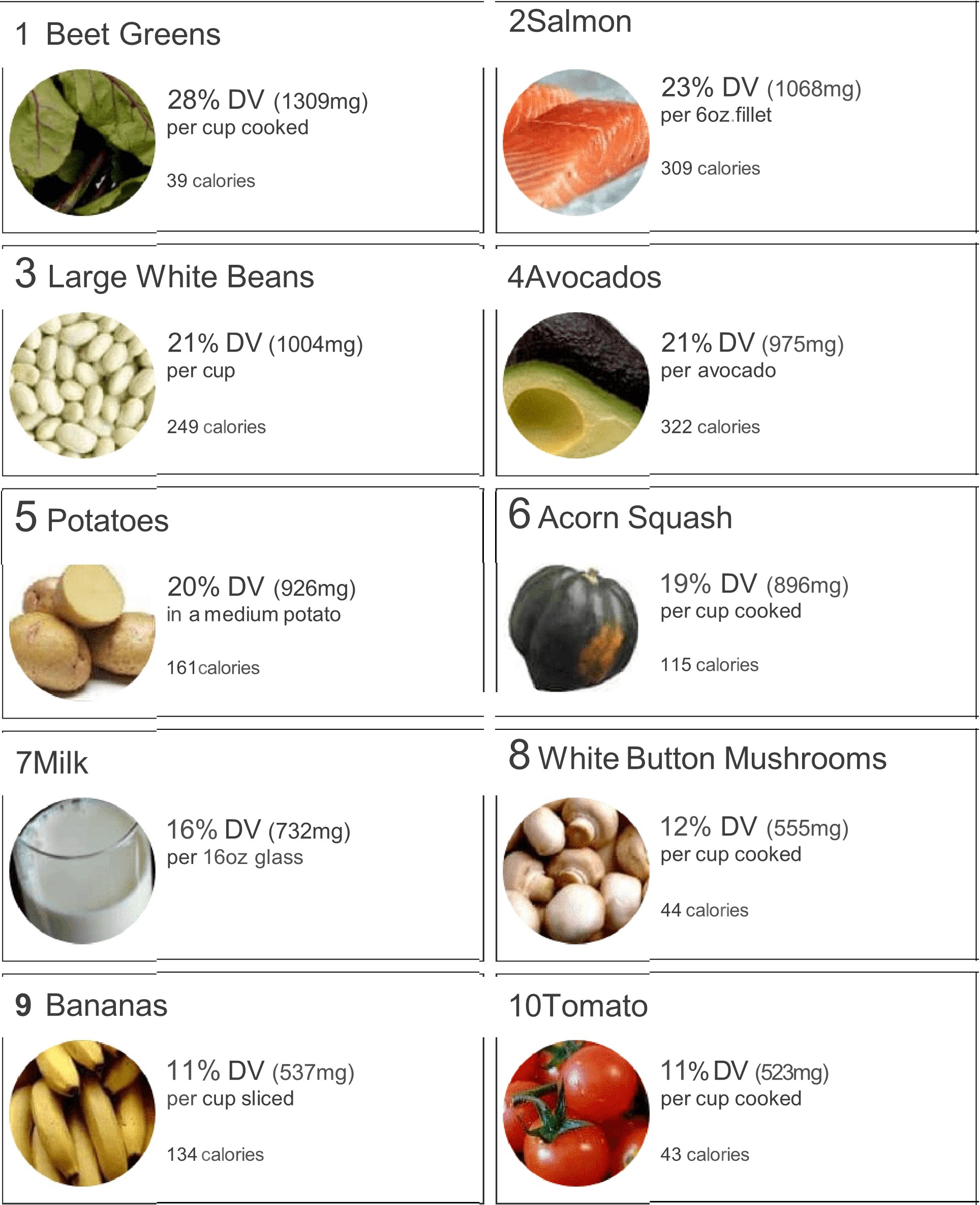
A nurse is assisting in the selection of food for a client who has hypokalemia. Which of the following foods should the nurse select that contains the greatest amount of potassium?
A. One small baked potato
According to some sources, the food that contains the greatest amount of potassium among the four options is one small baked potato, with about 925 mg of potassium per serving1. The other foods have much lower amounts of potassium: 1 oz of cheddar cheese has about 28 mg, 1 cup of brown rice has about 84 mg, and one medium raw tomato has about 290 mg.
B. 1 oz of cheddar cheese
C. 1 cup of brown rice
D. One medium raw tomato
This question is an excerpt from Nurse Dive's nursing test bank - ATI RN Nutrition 2019 Proctored Exam. Take the full exam now
Full Explanation
According to some sources, the food that contains the greatest amount of potassium among the four options is one small baked potato, with about 925 mg of potassium per serving1.
The other foods have much lower amounts of potassium: 1 oz of cheddar cheese has about 28 mg, 1 cup of brown rice has about 84 mg, and one medium raw tomato has about 290 mg.
Similar Questions
A nurse is selecting food items for a client who follows a lacto-vegetarian diet. Which of the following foods should the nurse include in the meals?
A. Shrimp
Shrimp and hamburger are not suitable for a lacto-vegetarian diet because they are animal flesh.
B. Hamburger
C. Cheese
A lacto-vegetarian diet is a type of vegetarianism that excludes meat, poultry, seafood, and eggs, but includes dairy products, such as milk, cheese, and yogurt. Therefore, the foods that the nurse should include in the meals for a client who follows a lacto-vegetarian diet are cheese and yogurt.
D. Eggs
Eggs are also not allowed because they are animal products.
Full Explanation
A lacto-vegetarian diet is a type of vegetarianism that excludes meat, poultry, seafood, and eggs, but includes dairy products, such as milk, cheese, and yogurt. Therefore, the foods that the nurse should include in the meals for a client who follows a lacto-vegetarian diet are cheese and yogurt.
Shrimp and hamburger are not suitable for a lacto-vegetarian diet because they are animal flesh.
Eggs are also not allowed because they are animal products.
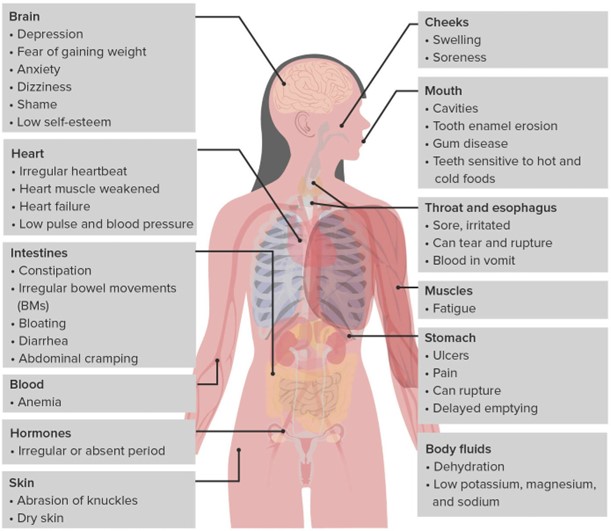
A nurse is reviewing the laboratory results of a client who has bulimia nervosa. The nurse should notify the provider of which of the following results?
A. Potassium 3.2 mEq/L
The nurse should notify the provider of the result indicating a low potassium level of 3.2 mEq/L in the client with bulimia nervosa. Low potassium levels, known as hypokalemia, can be a significant concern in individuals with bulimia nervosa due to the frequent purging behaviors associated with the condition. Purging, such as self-induced vomiting or misuse of laxatives or diuretics, can lead to excessive loss of potassium from the body. Hypokalemia can have serious consequences, including cardiac arrhythmias, muscle weakness, fatigue, and even life-threatening complications. The normal range for potassium is typically around 3.5-5.0 mEq/L. With a potassium level of 3.2 mEq/L falling below the normal range, it indicates a low potassium level and requires prompt attention.
B. WBC 5,200/mm3
A WBC (white blood cell) count of 5,200/mm3 falls within the normal range (typically between 4,500 and 11,000/mm3) and indicates a normal white blood cell count.
C. Hgb 14 g/dL
An Hgb (hemoglobin) level of 14 g/dL falls within the normal range (typically between 12 and 16 g/dL) and indicates a normal hemoglobin level.
D. Magnesium 1.6 mEq/L
A magnesium level of 1.6 mEq/L, although slightly low, is still within the normal range (typically between 1.5 and 2.5 mEq/L). The nurse should monitor it closely and assess for symptoms associated with hypomagnesemia. If the client's symptoms or other clinical indications suggest a significant magnesium imbalance, the healthcare provider should be notified.
Full Explanation
Low potassium levels, known as hypokalemia, can be a significant concern in individuals with bulimia nervosa due to the frequent purging behaviors associated with the condition. Purging, such as self-induced vomiting or misuse of laxatives or diuretics, can lead to excessive loss of potassium from the body. Hypokalemia can have serious consequences, including cardiac arrhythmias, muscle weakness, fatigue, and even life-threatening complications.
The normal range for potassium is typically around 3.5-5.0 mEq/L. With a potassium level of 3.2 mEq/L falling below the normal range, it indicates a low potassium level and requires prompt attention.
The other laboratory results mentioned in the question are within normal ranges:
● A WBC (white blood cell) count of 5,200/mm3 falls within the normal range (typically between 4,500 and 11,000/mm3) and indicates a normal white blood cell count.
● An Hgb (hemoglobin) level of 14 g/dL falls within the normal range (typically between 12 and 16 g/dL) and indicates a normal hemoglobin level.
● A magnesium level of 1.6 mEq/L, although slightly low, is still within the normal range (typically between 1.5 and 2.5 mEq/L). The nurse should monitor it closely and assess for symptoms associated with hypomagnesemia. If the client's symptoms or other clinical indications suggest a significant magnesium imbalance, the healthcare provider should be notified.
A nurse is providing teaching to a client who has type 1 diabetes mellitus. Which of the following statements by the client indicates an understanding of the teaching?
A. "I will have ketones in my urine if my blood glucose is maintained at 190 milligrams per deciliter."
In type 1 diabetes mellitus, when blood glucose levels are consistently high, the body may start breaking down fat for energy, leading to the production of ketones. Ketones can be detected in urine as a result. A blood glucose level of 190 milligrams per deciliter is elevated and can potentially trigger the production of ketones. Monitoring urine for ketones can be an important indicator of diabetes management and helps identify potential complications.
B. "I will keep my blood glucose levels between 200 and 212 milligrams per deciliter."
"I will keep my blood glucose levels between 200 and 212 milligrams per deciliter": This statement suggests a target range that is higher than the recommended target blood glucose levels for individuals with diabetes. Generally, the target range for blood glucose levels in individuals with diabetes is lower, typically between 80-130 mg/dL before meals and below 180 mg/dL after meals.
C. "I will keep my HbA1c at five percent."
"I will keep my HbA1c at five percent": While maintaining a lower HbA1c level is generally desirable for individuals with diabetes, a target of five percent is too low. HbA1c is a measure of average blood glucose levels over the past two to three months. The American Diabetes Association (ADA) recommends an HbA1c target of less than 7 percent for most adults with diabetes, although individualized targets may vary based on factors such as age and other health conditions.
D. "Albumin in my urine is an indication of normal kidney function."
"Albumin in my urine is an indication of normal kidney function": This statement is incorrect. The presence of albumin in the urine, called albuminuria, is an indication of kidney damage or dysfunction. It is a common sign of kidney disease, including diabetic nephropathy, which is a complication of diabetes affecting the kidneys.
Full Explanation
In type 1 diabetes mellitus, when blood glucose levels are consistently high, the body may start breaking down fat for energy, leading to the production of ketones. Ketones can be detected in urine as a result. A blood glucose level of 190 milligrams per deciliter is elevated and can potentially trigger the production of ketones. Monitoring urine for ketones can be an important indicator of diabetes management and helps identify potential complications.
The other statements by the client indicate a lack of understanding or potential misconceptions:
● "I will keep my blood glucose levels between 200 and 212 milligrams per deciliter": This statement suggests a target range that is higher than the recommended target blood glucose levels for individuals with diabetes. Generally, the target range for blood glucose levels in individuals with diabetes is lower, typically between 80-130 mg/dL before meals and below 180 mg/dL after meals.
● "Albumin in my urine is an indication of normal kidney function": This statement is incorrect. The presence of albumin in the urine, called albuminuria, is an indication of kidney damage or dysfunction. It is a common sign of kidney disease, including diabetic nephropathy, which is a complication of diabetes affecting the kidneys.
● "I will keep my HbA1c at five percent": While maintaining a lower HbA1c level is generally desirable for individuals with diabetes, a target of five percent is too low. HbA1c is a measure of average blood glucose levels over the past two to three months. The American Diabetes Association (ADA) recommends an HbA1c target of less than 7 percent for most adults with diabetes, although individualized targets may vary based on factors such as age and other health conditions.