Nursing practice questions with comprehensive rationales
NurseDive Free Nursing Practice Question
A nurse is assisting with a group therapy session for clients who are newly diagnosed with cancer. Which of the following statements should the nurse make?
A. I notice you keep clenching your fists. Please refrain from doing that during this meeting.
This statement is directive and may not encourage open discussion.
B. You need to work hard on resolving conflict with family and friends closest to you.
This is prescriptive and may not be well-received in a group therapy setting.
C. Antidepressants are not the solution for your problems, but this therapy group definitely is.
Making definitive statements about the effectiveness of the therapy group may not be appropriate.
D. What do you mean when you say you cannot ever return to work?
This statement encourages open communication and exploration of the client's concerns, fostering a therapeutic environment in group therapy.
This question is an excerpt from Nurse Dive's nursing test bank - Dumund ATI comprehensive med surg proctored exam. Take the full exam now
Full Explanation
This statement is directive and may not encourage open discussion.
B: This is prescriptive and may not be well-received in a group therapy setting.
C: Making definitive statements about the effectiveness of the therapy group may not be appropriate.
D: This statement encourages open communication and exploration of the client's concerns, fostering a therapeutic environment in group therapy.
Similar Questions
A nurse is monitoring the fluid replacement of a client who has sustained burns. Which of the following fluids should the nurse use in the first 24 hr following a client’s burn injury?
A. Lactated Ringer’s
Lactated Ringer’s is the preferred fluid for fluid resuscitation in the first 24 hours after a burn injury as it helps replace lost fluids and electrolytes.
B. Dextrose 5% in water
Dextrose 5% in water is not the primary fluid for burn resuscitation.
C. 0.9% sodium chloride
0.9% sodium chloride may be used, but Lactated Ringer’s is often preferred.
D. Dextrose 5% in 0.9% sodium chloride
Dextrose 5% in 0.9% sodium chloride is not the primary fluid for burn resuscitation.
Full Explanation
A. Lactated Ringer’s is the preferred fluid for fluid resuscitation in the first 24 hours after a burn injury as it helps replace lost fluids and electrolytes.
B. Dextrose 5% in water is not the primary fluid for burn resuscitation.
C. 0.9% sodium chloride may be used, but Lactated Ringer’s is often preferred.
D. Dextrose 5% in 0.9% sodium chloride is not the primary fluid for burn resuscitation.
A nurse is contributing to the plan of care for a client who has dementia. Which of the following actions should the nurse include in the plan of care?
A. Allow the client to choose free-time activities
Individuals with dementia often benefit from routine, but too many choices can be overwhelming.
B. Post a written schedule of daily activities.
While a written schedule can be helpful, a consistent routine is generally more beneficial for clients with dementia.
C. Provide a consistent daily routine.
Providing a consistent daily routine helps decrease anxiety and confusion for clients with dementia.
D. Use an overhead loudspeaker to announce events
Overhead loudspeakers may cause agitation and confusion in clients with dementia.
Full Explanation
Individuals with dementia often benefit from routine, but too many choices can be overwhelming.
B: While a written schedule can be helpful, a consistent routine is generally more beneficial for clients with dementia.
C: Providing a consistent daily routine helps decrease anxiety and confusion for clients with dementia.
D: Overhead loudspeakers may cause agitation and confusion in clients with dementia.
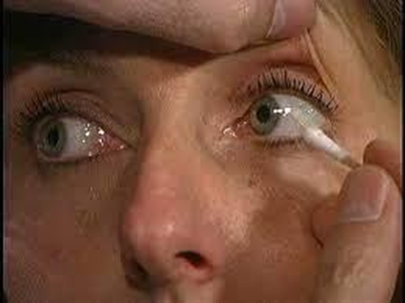
A nurse is collecting data from a client who was involved in a motor-vehicle crash.Which of the following techniques should the nurse use to test for corneal reflexes?
A. Visualize the red reflex of the eye.
This is a technique used for assessing the fundus and is not related to corneal reflexes.
B. Examine the eye with a penlight.
This is used for general eye examination but does not specifically test corneal reflexes.
C. Lightly touch the eye with a wisp of cotton.
This tests the corneal reflex, where a blink response indicates the reflex is intact.
D. instill drops of dye into the eye.
This is used for assessing corneal abrasions or ulcers but is not a method to test corneal reflexes.
Full Explanation
A. This is a technique used for assessing the fundus and is not related to corneal reflexes.
B. This is used for general eye examination but does not specifically test corneal reflexes.
C. This tests the corneal reflex, where a blink response indicates the reflex is intact.
D. This is used for assessing corneal abrasions or ulcers but is not a method to test corneal reflexes.