
Nursing practice questions with comprehensive rationales
NurseDive Free Nursing Practice Question
A nurse is assisting with the care of a client in the emergency department who reports severe radiating chest pain and shortness of breath. The client appears restless, frightened, and slightly cyanotic. The provider prescribes oxygen by nasal cannula at 4 L/min stat, cardiac enzyme levels, IV fluids, and a 12-lead ECG. Which of the following actions should the nurse take first?
A. Attach the leads for a 12-lead ECG.
While attaching leads for a 12-lead ECG is important, it is not the most immediate action required for a client showing signs of distress and potential hypoxia.
B. Obtain a blood sample.
Obtaining a blood sample is necessary for diagnosing the cause of chest pain but is not the first priority in an emergency situation.
C. Initiate oxygen therapy.
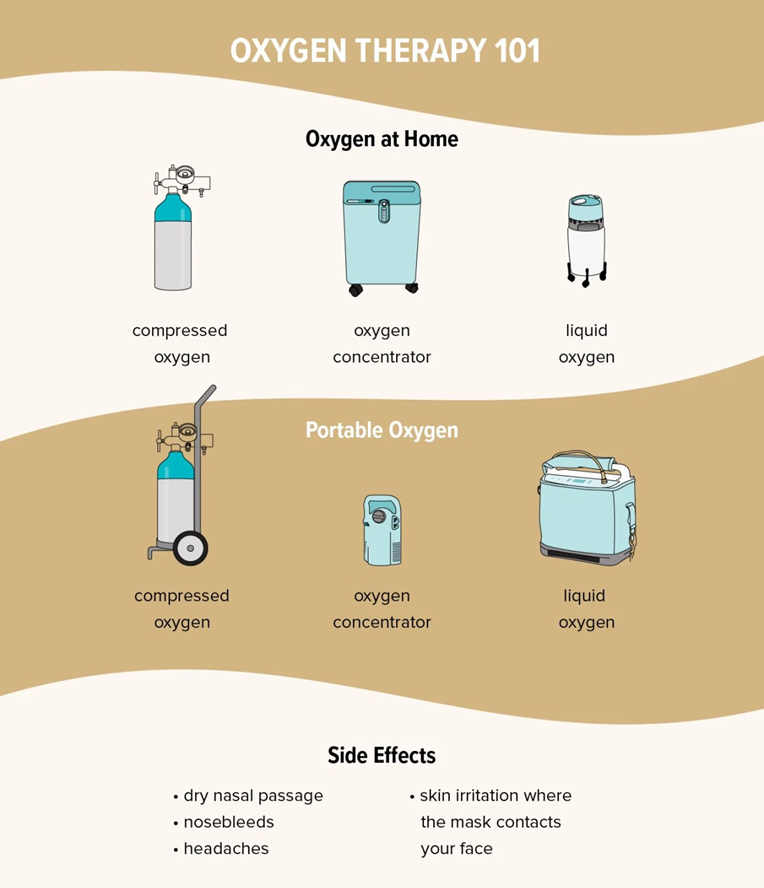
Initiating oxygen therapy is the first and most critical step in managing a client with severe chest pain, shortness of breath, and cyanosis to ensure adequate oxygenation.
D. Insert the IV catheter.
Inserting an IV catheter is important for administering medications and fluids but comes after ensuring the client is receiving sufficient oxygen.
This question is an excerpt from Nurse Dive's nursing test bank - Ati Advanced Concept Proctored Exam 240. Take the full exam now
Full Explanation
Choice A reason: While attaching leads for a 12-lead ECG is important, it is not the most immediate action required for a client showing signs of distress and potential hypoxia.
Choice B reason: Obtaining a blood sample is necessary for diagnosing the cause of chest pain but is not the first priority in an emergency situation.
Choice C reason: Initiating oxygen therapy is the first and most critical step in managing a client with severe chest pain, shortness of breath, and cyanosis to ensure adequate oxygenation.
Choice D reason: Inserting an IV catheter is important for administering medications and fluids but comes after ensuring the client is receiving sufficient oxygen.
Similar Questions
When the nurse is reviewing a patient's daily laboratory test results, which of the following potassium levels should the nurse report to the healthcare provider to reduce the risk of digoxin (Lanoxin) toxicity?
A. Potassium 5.5 mEq/L
A high potassium level can increase the risk of digoxin toxicity. The normal range for potassium is typically 3.5 to 5.0 mEq/L, so a level of 5.5 mEq/L should be reported.
B. Potassium 3.8 mEq/L
A potassium level of 3.8 mEq/L is within the normal range and would not typically increase the risk of digoxin toxicity.
C. Potassium 4.5 mEq/L
A potassium level of 4.5 mEq/L is within the normal range and would not typically increase the risk of digoxin toxicity.
D. Potassium 2.9 mEq/L
A low potassium level can also increase the risk of digoxin toxicity, but the question asks for the result that does not increase the risk, making 2.9 mEq/L incorrect in this context.
Full Explanation
Choice A reason: A high potassium level can increase the risk of digoxin toxicity. The normal range for potassium is typically 3.5 to 5.0 mEq/L, so a level of 5.5 mEq/L should be reported.
Choice B reason: A potassium level of 3.8 mEq/L is within the normal range and would not typically increase the risk of digoxin toxicity.
Choice C reason: A potassium level of 4.5 mEq/L is within the normal range and would not typically increase the risk of digoxin toxicity.
Choice D reason: A low potassium level can also increase the risk of digoxin toxicity, but the question asks for the result that does not increase the risk, making 2.9 mEq/L incorrect in this context.
A nurse is caring for a client who has depression. After two days of treatment, the nurse notices that the client is suddenly more active and there are no longer signs of a depressive state. Which of the following interventions should the nurse recommend for the plan of care?
A. Encourage family to take the client out of the facility for short periods of time.
While it may be beneficial for the client's mood, taking the client out of the facility does not directly address the sudden change in behavior.
B. Reward the client for her change in behavior.
Rewarding the client for a change in behavior does not address the potential risks associated with a sudden change in mental status.
C. Ask the client why her behavior has changed.
Asking the client why their behavior has changed could be part of an assessment, but it is not an immediate safety intervention.
D. Monitor the client's whereabouts at all times.
Monitoring the client's whereabouts at all times is important as a sudden lift in depressive symptoms can sometimes precede a suicide attempt, and close observation is necessary.
Full Explanation
Choice A reason: While it may be beneficial for the client's mood, taking the client out of the facility does not directly address the sudden change in behavior.
Choice B reason: Rewarding the client for a change in behavior does not address the potential risks associated with a sudden change in mental status.
Choice C reason: Asking the client why their behavior has changed could be part of an assessment, but it is not an immediate safety intervention.
Choice D reason: Monitoring the client's whereabouts at all times is important as a sudden lift in depressive symptoms can sometimes precede a suicide attempt, and close observation is necessary.
A nurse is caring for a client three days after admission to an acute care mental health facility for treatment of major depression. The client leaves her current activity, approaches the nurse, and states, "There's no reason to go on living. I just want to end it all." Which of the following nursing interventions is appropriate?
A. Ask the client if she has a plan to commit suicide.
Directly asking the client about suicidal plans is a critical step in assessing risk and determining the need for immediate intervention.
B. Notify the client's family and request a visitor to stay with the client until thoughts of suicide are gone.
While involving the family is important, it does not address the immediate risk the client may pose to herself.
C. Recognize the attempt at manipulation and escort the client back to her activity.
Recognizing the statement as a manipulation attempt is inappropriate; all expressions of suicidal ideation should be taken seriously.
D. Assist the client to her room and allow her to rest before resuming activity.
Allowing the client to rest does not address the immediate risk of suicide and the need for urgent assessment and intervention.
Full Explanation
Choice A reason: Directly asking the client about suicidal plans is a critical step in assessing risk and determining the need for immediate intervention.
Choice B reason: While involving the family is important, it does not address the immediate risk the client may pose to herself.
Choice C reason: Recognizing the statement as a manipulation attempt is inappropriate; all expressions of suicidal ideation should be taken seriously.
Choice D reason: Allowing the client to rest does not address the immediate risk of suicide and the need for urgent assessment and intervention.