Nursing practice questions with comprehensive rationales
NurseDive Free Nursing Practice Question
A nurse is assisting with the care of an adolescent who is scheduled for surgery. Which of the following actions should the nurse plan to take?
A. Provide a tour of the perioperative area prior to surgery
When caring for an adolescent scheduled for surgery, providing a tour of the perioperative area prior to the procedure is an important action for the nurse to take. Adolescents may experience fear and anxiety related to the unfamiliar environment and procedures associated with surgery. Providing a tour allows the adolescent to become familiar with the surroundings, equipment, and healthcare team, which can help alleviate anxiety and promote a sense of control.
B. Explain that anesthesia is a special type of sleep
Explain that anesthesia is a special type of sleep: While it is important to provide information about anesthesia to the adolescent, describing it as a "special type of sleep" may be misleading. Anesthesia is a medical procedure that involves more than just being asleep, and it is important to provide accurate information to the adolescent.
C. Keep medical equipment out of the client's sight
Keep medical equipment out of the client's sight: While it is important to create a comfortable and non- threatening environment for the adolescent, completely hiding medical equipment may not be feasible or necessary. Instead, the nurse should address any specific fears or concerns the adolescent may have and provide age-appropriate explanations and reassurance
D. Wait until after surgery to explain the importance of coughing and deep breathing
Wait until after surgery to explain the importance of coughing and deep breathing: It is important to provide preoperative education to the adolescent to promote their understanding and cooperation. Explaining the importance of coughing and deep breathing before surgery helps the adolescent prepare and participate in their own recovery. Waiting until after surgery may result in missed opportunities for early postoperative interventions.
This question is an excerpt from Nurse Dive's nursing test bank - VATI PN Comprehensive Predictor 2020 Proctored Exam. Take the full exam now
Full Explanation
a . Provide a tour of the perioperative area prior to surgery.
The correct answer is a. Provide a tour of the perioperative area prior to surgery.
Explanation:
When caring for an adolescent scheduled for surgery, providing a tour of the perioperative area prior to the procedure is an important action for the nurse to take. Adolescents may experience fear and anxiety related to the unfamiliar environment and procedures associated with surgery. Providing a tour allows the adolescent to become familiar with the surroundings, equipment, and healthcare team, which can help alleviate anxiety and promote a sense of control.
Explanation for the other options:
b. Explain that anesthesia is a special type of sleep: While it is important to provide information about anesthesia to the adolescent, describing it as a "special type of sleep" may be misleading. Anesthesia is a medical procedure that involves more than just being asleep, and it is important to provide accurate information to the adolescent.
c. Keep medical equipment out of the client's sight: While it is important to create a comfortable and non- threatening environment for the adolescent, completely hiding medical equipment may not be feasible or necessary. Instead, the nurse should address any specific fears or concerns the adolescent may have and provide age-appropriate explanations and reassurance.
d. Wait until after surgery to explain the importance of coughing and deep breathing: It is important to provide preoperative education to the adolescent to promote their understanding and cooperation. Explaining the importance of coughing and deep breathing before surgery helps the adolescent prepare and participate in their own recovery. Waiting until after surgery may result in missed opportunities for early postoperative interventions.
In summary, providing a tour of the perioperative area prior to surgery helps familiarize the adolescent with the environment, reducing anxiety and promoting a sense of control.
Similar Questions
The nurse is checking the home environment of a client for safety hazards.
Which of the following items require intervention by the nurse?
A. The television set is turned to a loud volume.
Can be addressed by educating the client about the potential risks of prolonged exposure to loud noises and providing guidance on appropriate volume levels.
B. The dining room table has low chairs with no armrests.
The presence of low chairs with no armrests in the dining room may not necessarily require immediate intervention unless there are specific safety concerns related to the client's mobility or balance. The nurse may provide general recommendations for safer seating options, especially if the client is at risk of falls or has difficulty getting up from low chairs.
C. The bedroom extension cord is placed under a heavy nightstand.
The nurse should intervene and address the placement of the bedroom extension cord under a heavy nightstand. This poses a safety hazard as it increases the risk of electrical fire or tripping. The nurse should educate the client about the importance of using proper outlets and avoiding the use of extension cords in general, especially when they are hidden under heavy furniture.
D. The living room contains wall-to-wall carpeting.
The presence of wall-to-wall carpeting in the living room is a common feature in many homes and does not necessarily pose a safety hazard. However, the nurse may discuss general home safety measures, such as keeping the carpet clean and free of tripping hazards, especially for clients with mobility issues.
Full Explanation
c. The bedroom extension cord is placed under a heavy nightstand.
The nurse should intervene and address the placement of the bedroom extension cord under a heavy nightstand. This poses a safety hazard as it increases the risk of electrical fire or tripping. The nurse shouldmeducate the client about the importance of using proper outlets and avoiding the use of extension cords in general, especially when they are hidden under heavy furniture.
Options a, b, and d do not require immediate intervention by the nurse:
a. The television set turned to a loud volume can be addressed by educating the client about the potential risks of prolonged exposure to loud noises and providing guidance on appropriate volume levels.
b. The presence of low chairs with no armrests in the dining room may not necessarily require immediate intervention unless there are specific safety concerns related to the client's mobility or balance. The nurse may provide general recommendations for safer seating options, especially if the client is at risk of falls or has difficulty getting up from low chairs.
d. The presence of wall-to-wall carpeting in the living room is a common feature in many homes and does not necessarily pose a safety hazard. However, the nurse may discuss general home safety measures, such as keeping the carpet clean and free of tripping hazards, especially for clients with mobility issues.
A nurse is admitting a client who has active tuberculosis. Which of the following nursing interventions is appropriate?
A. Place the client in a room that is ventilated to the outside.
A nurse admitting a client who has active tuberculosis should place the client in a room that is ventilated to the outside. This is an appropriate nursing intervention to prevent the spread of tuberculosis to others.
B. Wear a gown when delivering the client's food tray.
The nurse does not need to wear a gown when delivering the client's food traybut should wear a mask and gloves
C. Prohibit visitors while the client's infection is active.
Visitors are not prohibited while the client's infection is activebut should be limited and should wear masks.
D. Administer a tuberculin skin test prior to discharge.
A tuberculin skin test is not necessary prior to discharge as the client has already been diagnosed with active tuberculosis.
Full Explanation
A nurse admitting a client who has active tuberculosis should place the client in a room that is ventilated to
the outside. This is an appropriate nursing intervention to prevent the spread of tuberculosis to others.
The other options are not correct.
b) The nurse does not need to wear a gown when delivering the client's food tray but should wear a mask and gloves.
c) Visitors are not prohibited while the client's infection is active but should be limited and should wear masks.
d) A tuberculin skin test is not necessary prior to discharge as the client has already been diagnosed with active tuberculosis.
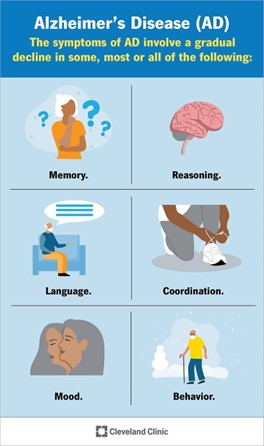
A nurse is assisting with the plan of care for a client who has Alzheimer's disease. Which of the following actions should the nurse recommend for the plan of care?
A. Encourage the client to talk about current events.
Encourage the client to talk about current events: While social interaction and engagement are beneficial for clients with Alzheimer's disease, their ability to comprehend and discuss current events may be limited due to cognitive impairments. It is important to adapt communication to the client's cognitive abilities and interests.
B. Give directions using simple phrases
When assisting with the plan of care for a client with Alzheimer's disease, it is important to consider their cognitive impairments and provide appropriate interventions. Giving directions using simple phrases is recommended because it helps the client beter understand and follow instructions. Complex or lengthy directions can be confusing and overwhelming for individuals with Alzheimer's disease. Using clear and concise language can enhance communication and facilitate the client's ability to engage in activities of daily living.
C. Orient the client to time and place twice per day
Orient the client to time and place twice per day: Frequent orientation to time and place can be helpful for clients with Alzheimer's disease, but the specific frequency should be based on the individual's needs and preferences. Some individuals may require more frequent orientation, while others may find it overwhelming. The plan of care should be individualized to address the client's specific needs.
D. Rotate assistive personnel to help the client with ADLs
Rotate assistive personnel to help the client with ADLs: Consistency and familiarity are important for individuals with Alzheimer's disease. Rotating assistive personnel frequently may disrupt the client's routine and cause increased confusion and agitation. Whenever possible, it is best to maintain a consistent caregiving team to provide familiarity and establish a therapeutic relationship with the client
Full Explanation
b. Give directions using simple phrases.
The correct answer is b. Give directions using simple phrases.
Explanation:
When assisting with the plan of care for a client with Alzheimer's disease, it is important to consider their cognitive impairments and provide appropriate interventions. Giving directions using simple phrases is recommended because it helps the client beter understand and follow instructions. Complex or lengthy directions can be confusing and overwhelming for individuals with Alzheimer's disease. Using clear and concise language can enhance communication and facilitate the client's ability to engage in activities of daily living.
Explanation for the other options:
a. Encourage the client to talk about current events: While social interaction and engagement are beneficial for clients with Alzheimer's disease, their ability to comprehend and discuss current events may be limited due to cognitive impairments. It is important to adapt communication to the client's cognitive abilities and interests.
c. Orient the client to time and place twice per day: Frequent orientation to time and place can be helpful for clients with Alzheimer's disease, but the specific frequency should be based on the individual's needs and preferences. Some individuals may require more frequent orientation, while others may find it overwhelming. The plan of care should be individualized to address the client's specific needs.
d. Rotate assistive personnel to help the client with ADLs: Consistency and familiarity are important for individuals with Alzheimer's disease. Rotating assistive personnel frequently may disrupt the client's routine and cause increased confusion and agitation. Whenever possible, it is best to maintain a consistent caregiving team to provide familiarity and establish a therapeutic relationship with the client.
In summary, giving directions using simple phrases is an appropriate action when assisting with the plan of care for a client with Alzheimer's disease. This approach promotes effective communication and enhances the client's ability to understand and follow instructions.