
Nursing practice questions with comprehensive rationales
NurseDive Free Nursing Practice Question
A nurse is caring for a 3-month-old infant who has a cleft of the soft palate.
Which of the following actions should the nurse take?
A. Discontinue feeding if the infant's eyes become watery.
Choice A is wrong because watery eyes are not an indication to discontinue feeding.
B. Postpone burping the infant until after completing each feeding.
Choice B is wrong because babies with cleft palate should be burped more frequently, but not so often as to interrupt good feeding behaviors.
C. Elevate the infant's head to a 10° angle during feedings.
The correct answer is choice C. Elevate the infant’s head to a 10° angle during feedings. This position can help prevent milk from coming out of the infant’s nose and reduce the risk of choking.
D. Feed the infant 177.4 mL (6 oz) of formula three times each day.
Choice D is wrong because the amount of formula an infant needs varies and should be determined by a pediatrician.
E. Feed the infant 177.4 mL (6 oz) of formula three times each day.
This question is an excerpt from Nurse Dive's nursing test bank - ATI RN Nursing Care of Children 2019 Proctored Exam. Take the full exam now
Full Explanation
The correct answer is choice C. Elevate the infant’s head to a 10° angle during feedings.
This position can help prevent milk from coming out of the infant’s nose and reduce the risk of choking.
Choice A is wrong because watery eyes are not an indication to discontinue feeding.
Choice B is wrong because babies with cleft palate should be burped more frequently, but not so often as to interrupt good feeding behaviors.
Choice D is wrong because the amount of formula an infant needs varies and should be determined by a pediatrician.
Similar Questions
A nurse is teaching a group of female adolescents about healthy eating. Which of the following instructions should the nurse include in the teaching?
A. "Limit your sodium intake to 3,000 milligrams per day."
Choice A is wrong because the American Heart Association recommends limiting sodium intake to 1,500 milligrams per day.
B. "Consume 1,500 to 1,700 calories per day."
Choice B is wrong because caloric needs vary depending on age, sex, height, weight, and level of physical activity.
C. "Increase the amount of your dietary iron intake."
During menstruation, girls lose some iron and should try to replace it by including iron-rich foods in their diet.
D. "Decrease your vitamin D intake once you start to menstruate.”
Choice D is wrong because vitamin D is important for bone health and adolescents should not decrease their intake.
Full Explanation
During menstruation, girls lose some iron and should try to replace it by including iron-rich foods in their diet.
Choice A is wrong because the American Heart Association recommends limiting sodium intake to 1,500 milligrams per day.
Choice B is wrong because caloric needs vary depending on age, sex, height, weight, and level of physical activity.
Choice D is wrong because vitamin D is important for bone health and adolescents should not decrease their intake.
A nurse is reviewing the laboratory results of a child who was recently admitted for suspected rheumatic fever.
The nurse should identify that which of the following laboratory tests can contribute to confirming this diagnosis? (Select all that apply.)
A. Blood urea nitrogen (BUN)
Choice A is wrong because Blood urea nitrogen (BUN) is not used to diagnose rheumatic fever.
B. Erythrocyte sedimentation rate (ESR)
This laboratory test can contribute to confirming a diagnosis of rheumatic fever.
C. Antistreptolysin O (ASO) titer
This laboratory test can contribute to confirming a diagnosis of rheumatic fever.
D. Partial thromboplastin time (PTT)
Choice D is wrong because Partial thromboplastin time (PTT) is not used to diagnose rheumatic fever.
E. C-reactive protein (CRP).
This laboratory test can contribute to confirming a diagnosis of rheumatic fever.
Full Explanation
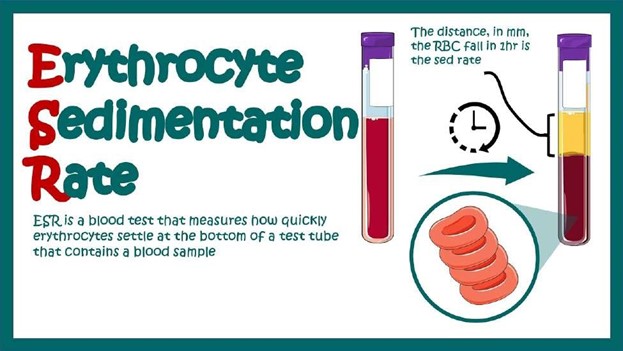
This laboratory test can contribute to confirming a diagnosis of rheumatic fever.
Choice A is wrong because Blood urea nitrogen (BUN) is not used to diagnose rheumatic fever.
Choice D is wrong because Partial thromboplastin time (PTT) is not used to diagnose rheumatic fever.
A nurse is discussing coping mechanisms with a parent of a 3-month-old infant. Which of the following therapeutic questions should the nurse ask the parent?
A. "Are you willing to take new parenting classes?"
Choice A is not a therapeutic question because it suggests a course of action rather than exploring the parent’s feelings and experiences.
B. "What do you do when your infant is fussy?"
This question allows the parent to discuss their coping mechanisms and gives the nurse an opportunity to provide guidance and support.
C. "Does parenting cause you stress?"
Choice Cis not a therapeutic questions because it isclosed-ended and does not encourage the parent to discuss their coping mechanisms.
D. "Is it overwhelming when your infant is having a bad day?".
ChoiceD is not a therapeutic questions because it isclosed-ended and does not encourage the parent to discuss their coping mechanisms.
Full Explanation
“What do you do when your infant is fussy?” This question allows the parent to discuss their coping mechanisms and gives the nurse an opportunity to provide guidance and support.
Choice A is not a therapeutic question because it suggests a course of action rather than exploring the parent’s feelings and experiences.
Choice C and D are not therapeutic questions because they are closed-ended and do not encourage the parent to discuss their coping mechanisms.