Nursing practice questions with comprehensive rationales
NurseDive Free Nursing Practice Question
A nurse is caring for a child who has been physically abused by a family member. Which of the following statements should the nurse say to the child?
A. "Your family is bad for doing this to you.".
Choice A is not an answer because it can create more confusion and fear in the child.
B. "Let's discuss what happened with your family.".
Choice B is not an answer because discussing the abuse with the family may not be safe or appropriate.
C. "It is not your fault that this happened.".
This statement helps the child understand that they are not to blame for the abuse and can help reduce feelings of guilt or shame.
D. "I promise I won't tell anyone about this.".
Choice D is not an answer because it is important for the nurse to report the abuse to the appropriate authorities to ensure the child’s safety.
This question is an excerpt from Nurse Dive's nursing test bank - ATI Custom SP23 N23 N240 Proctored Exam 3 Ch 11 24 32 43 44. Take the full exam now
Full Explanation
This statement helps the child understand that they are not to blame for the abuse and can help reduce feelings of guilt or shame.
Choice A is not an answer because it can create more confusion and fear in the child.
Choice B is not an answer because discussing the abuse with the family may not be safe or appropriate.
Choice D is not an answer because it is important for the nurse to report the abuse to the appropriate authorities to ensure the child’s safety.
Similar Questions
A nurse is providing discharge instructions to a parent and their school-age child who has juvenile idiopathic arthritis.
Which of the following instructions should the nurse include?
A. Encourage the child to take a 45-minute nap daily.
Choice A is not an answer because there is no information available that suggests taking a 45-minute nap daily would be beneficial for a child with juvenile idiopathic arthritis.
B. Administer prednisone on an alternate-day schedule.
Prednisone is a type of steroid medicine that helps decrease severe inflammation and is usually given for a short time while other medicines are started that can take longer to be effective.
C. Allow the child to stay at home on days when their joints are painful.
Choice C is not an answer because it may not be necessary for the child to stay at home on days when their joints are painful.
D. Apply cool compresses for 20 minutes every hour.
Choice D is not an answer because applying cool compresses for 20 minutes every hour may not be the most effective way to manage pain and inflammation.
Full Explanation
Prednisone is a type of steroid medicine that helps decrease severe inflammation and is usually given for a short time while other medicines are started that can take longer to be effective.
Choice A is not an answer because there is no information available that suggests taking a 45-minute nap daily would be beneficial for a child with juvenile idiopathic arthritis.
Choice C is not an answer because it may not be necessary for the child to stay at home on days when their joints are painful.
Choice D is not an answer because applying cool compresses for 20 minutes every hour may not be the most effective way to manage pain and inflammation.
A nurse is planning care for a client who ingested a large amount of acetylsalicylic acid.
Which of the following actions should the nurse take?
A. Administer N-acetylcysteine.
Choice A is not an answer because N-acetylcysteine is used to treat acetaminophen overdose, not acetylsalicylic acid overdose.
B. Initiate chelation therapy with deferoxamine.
Choice B is not an answer because chelation therapy with deferoxamine is used to treat iron poisoning, not acetylsalicylic acid overdose.
C. Perform gastric lavage with activated charcoal.
Activated charcoal should be given as soon as possible to help absorb the acetylsalicylic acid in the gastrointestinal tract.
D. Induce vomiting with syrup of ipecac.
Choice D is not an answer because inducing vomiting with syrup of ipecac is no longer recommended for the treatment of poisoning due to the potential for harm and lack of evidence of benefit.
Full Explanation
Activated charcoal should be given as soon as possible to help absorb the acetylsalicylic acid in the gastrointestinal tract.
Choice A is not an answer because N-acetylcysteine is used to treat acetaminophen overdose, not acetylsalicylic acid overdose.
Choice B is not an answer because chelation therapy with deferoxamine is used to treat iron poisoning, not acetylsalicylic acid overdose.
Choice D is not an answer because inducing vomiting with syrup of ipecac is no longer recommended for the treatment of poisoning due to the potential for harm and lack of evidence of benefit.
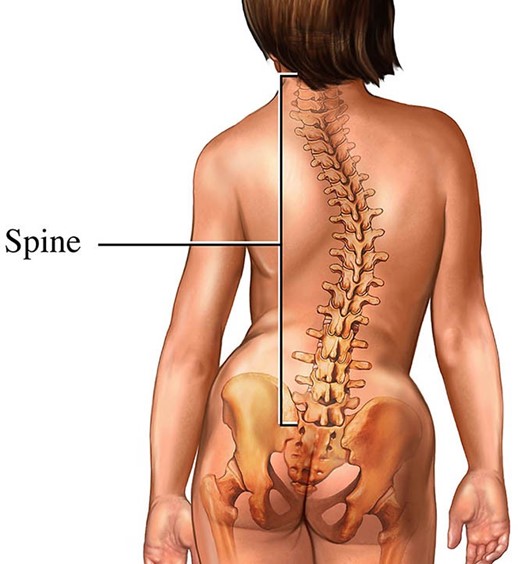
A nurse is planning care for an adolescent who has scoliosis and requires surgical intervention.
Which of the following behaviors by the adolescent should the nurse anticipate because it is the most common reaction?
A. Body image changes.
Adolescents affected by scoliosis often experience body image dissatisfaction. Therefore, the nurse should anticipate body image changes as the most common reaction.
B. Loss of privacy.
Choice B is not correct because loss of privacy is not the most common reaction when dealing with scoliosis surgery.
C. Feelings of displacement.
Choice C is not correct because feelings of displacement are not the most common reaction when dealing with scoliosis surgery.
D. Identity crisis.
Choice D is not correct because identity crisis is not the most common reaction when dealing with scoliosis surgery.
Full Explanation
Adolescents affected by scoliosis often experience body image dissatisfaction.
Therefore, the nurse should anticipate body image changes as the most common reaction.
Choice B is not correct because loss of privacy is not the most common reaction
when dealing with scoliosis surgery.
Choice C is not correct because feelings of displacement are not the most
common reaction when dealing with scoliosis surgery.
Choice D is not correct because identity crisis is not the most common reaction
when dealing with scoliosis surgery.