
Nursing practice questions with comprehensive rationales
NurseDive Free Nursing Practice Question
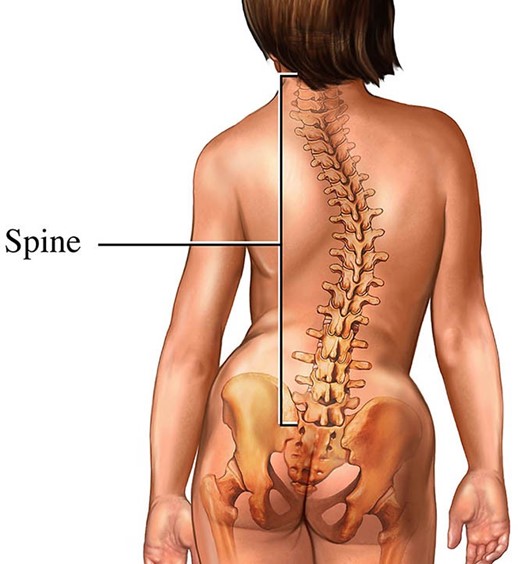
A nurse is planning care for an adolescent who has scoliosis and requires surgical intervention.
Which of the following behaviors by the adolescent should the nurse anticipate because it is the most common reaction?
A. Body image changes.
Adolescents affected by scoliosis often experience body image dissatisfaction. Therefore, the nurse should anticipate body image changes as the most common reaction.
B. Loss of privacy.
Choice B is not correct because loss of privacy is not the most common reaction when dealing with scoliosis surgery.
C. Feelings of displacement.
Choice C is not correct because feelings of displacement are not the most common reaction when dealing with scoliosis surgery.
D. Identity crisis.
Choice D is not correct because identity crisis is not the most common reaction when dealing with scoliosis surgery.
This question is an excerpt from Nurse Dive's nursing test bank - ATI Custom SP23 N23 N240 Proctored Exam 3 Ch 11 24 32 43 44. Take the full exam now
Full Explanation
Adolescents affected by scoliosis often experience body image dissatisfaction.
Therefore, the nurse should anticipate body image changes as the most common reaction.
Choice B is not correct because loss of privacy is not the most common reaction
when dealing with scoliosis surgery.
Choice C is not correct because feelings of displacement are not the most
common reaction when dealing with scoliosis surgery.
Choice D is not correct because identity crisis is not the most common reaction
when dealing with scoliosis surgery.
Similar Questions
A nurse is caring for a child who is postoperative following ventriculoperitoneal (VP) shunt placement.
In which of the following positions should the nurse place the client?
A. Semi-Fowler's.
A. Semi-Fowler's. While this position can help with drainage, it is generally not the first choice immediately after VP shunt surgery.
B. Prone
This position is generally not recommended as it can cause discomfort and increase intracranial pressure.
C. Trendelenburg.
C. Trendelenburg. This position is contraindicated as it can significantly increase intracranial pressure.
D. on the unoperated side
D. on the unoperated side. This position helps prevent pressure on the operative site and facilitates drainage of cerebrospinal fluid. It also reduces the risk of complications associated with increased intracranial pressure.
Full Explanation
A. Semi-Fowler's. While this position can help with drainage, it is generally not the first choice immediately after VP shunt surgery.
B. Prone. This position is generally not recommended as it can cause discomfort and increase intracranial pressure.
C. Trendelenburg. This position is contraindicated as it can significantly increase intracranial pressure.
D. on the unoperated side. This position helps prevent pressure on the operative site and facilitates drainage of cerebrospinal fluid. It also reduces the risk of complications associated with increased intracranial pressure.
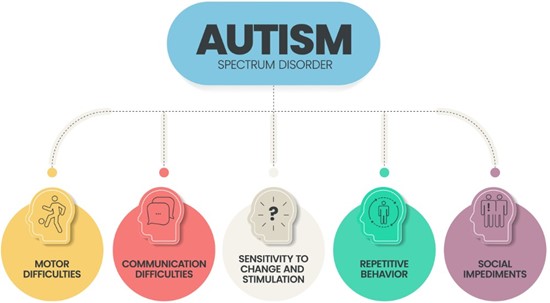
A nurse in a special education program is planning care for a child who has an autism spectrum disorder.
Which of the following interventions should the nurse include in the plan of care?
A. Allow for imaginative play with peers without supervision.
Choice A is not correct because allowing for imaginative play with peers without supervision is not a recommended intervention for a child with ASD.
B. Establish a reward system for positive behavior.
Behavioral approaches have the most evidence for treating symptoms of Autism Spectrum Disorder (ASD)1. Applied Behavior Analysis (ABA) is a notable behavioral treatment for people with ASD that encourages desired behaviors and discourages undesired behaviors to improve a variety of skills. A reward system for positive behavior is an example of an ABA technique.
C. Provide a flexible schedule that adjusts to the child's interests.
Choice C is not correct because providing a flexible schedule that adjusts to the child’s interests is not a recommended intervention for a child with ASD.
D. Allow for adjustment of rules to correlate with the child's behavior.
Choice D is not correct because allowing for adjustment of rules to correlate with the child’s behavior is not a recommended intervention for a child with ASD.
Full Explanation
Behavioral approaches have the most evidence for treating symptoms of Autism
Spectrum Disorder (ASD)1.
Applied Behavior Analysis (ABA) is a notable behavioral treatment for people with ASD that encourages desired behaviors and discourages undesired behaviors to improve a variety of skills.
A reward system for positive behavior is an example of an ABA technique.
Choice A is not correct because allowing for imaginative play with peers without supervision is not a recommended intervention for a child with ASD.
Choice C is not correct because providing a flexible schedule that adjusts to the child’s interests is not a recommended intervention for a child with ASD.
Choice D is not correct because allowing for adjustment of rules to correlate with the child’s behavior is not a recommended intervention for a child with ASD.
A nurse is caring for an infant who has a hydrocele.
Which of the following actions should the nurse take?
A. Refer the family for genetic counseling.
Choice A is not correct because a hydrocele is not a genetic condition and does not require genetic counseling.
B. Retract the foreskin and cleanse it several times daily.
Choice B is not correct because retracting the foreskin and cleansing it several times daily is not necessary for a hydrocele.
C. Prepare the child for surgery.
Choice C is not correct because surgery is not always necessary for a hydrocele; it often goes away on its own.
D. Explain to the parents that the issue will self-resolve.
Hydroceles are common in newborns and often go away without treatment by age.
Full Explanation
Hydroceles are common in newborns and often go away without treatment by age.
Choice A is not correct because a hydrocele is not a genetic condition and does not require genetic counseling.
Choice B is not correct because retracting the foreskin and cleansing it several times daily is not necessary for a hydrocele.
Choice C is not correct because surgery is not always necessary for a hydrocele; it often goes away on its own.