
Nursing practice questions with comprehensive rationales
NurseDive Free Nursing Practice Question
A nurse is caring for a child who has tinea pedis. The child's parent asks the nurse what this infection is commonly called.
The nurse should respond with which of the following common names?
A. Shingles.
Choice A, Shingles, is incorrect because shingles are a viral infection that causes a painful rash.
B. Valley fever.
Choice B, Valley fever, is incorrect because valley fever is a fungal infection that affects the lungs.
C. Fever blister.
Choice C, Fever blister, is incorrect because fever blisters are caused by the herpes simplex virus and typically appear on or around the lips.
D. Athlete's foot.
Tinea pedis is a fungal infection that affects the skin on the feet and is commonly known as an athlete’s foot.
This question is an excerpt from Nurse Dive's nursing test bank - ATI Custom SP23 N23 N240 Proctored Exam 3 Ch 11 24 32 43 44. Take the full exam now
Full Explanation
Tinea pedis is a fungal infection that affects the skin on the feet and is commonly known as an athlete’s foot.
Choice A, Shingles, is incorrect because shingles are a viral infection that causes a
painful rash.
Choice B, Valley fever, is incorrect because valley fever is a fungal infection that affects the lungs.
Choice C, Fever blister, is incorrect because fever blisters are caused by the herpes simplex virus and typically appear on or around the lips.
Similar Questions
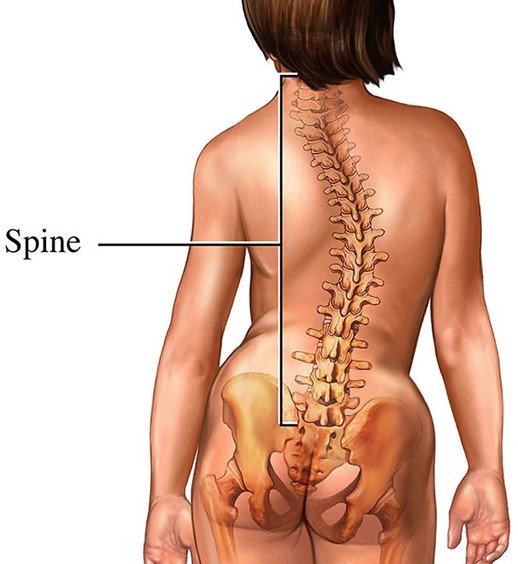
A nurse is assisting with a routine physical examination of an adolescent. The provider observes a lateral curvature of the spine.
The nurse should expect the provider to document which of the following disorders?
A. Torticollis.
Choice A, Torticollis, is not the correct answer because it is a condition in which the head becomes persistently turned to one side, often associated with painful muscle spasms.
B. Kyphosis.
Choice B, Kyphosis, is not the correct answer because it refers to an excessive outward curvature of the spine, causing hunching of the back.
C. Scoliosis.
Scoliosis is a condition characterized by sideways curvature of the spine or backbone. A lateral curvature of the spine is called scoliosis.
D. Lordosis.
Choice D, Lordosis, is not the correct answer because it refers to an excessive inward curvature of the spine.
Full Explanation
Scoliosis is a condition characterized by sideways curvature of the spine or backbone.
A lateral curvature of the spine is called scoliosis.
Choice A, Torticollis, is not the correct answer because it is a condition in which the head becomes persistently turned to one side, often associated with painful muscle spasms.
Choice B, Kyphosis, is not the correct answer because it refers to an excessive outward curvature of the spine, causing hunching of the back.
Choice D, Lordosis, is not the correct answer because it refers to an excessive inward curvature of the spine.
A nurse is caring for a 3-year-old child who has had 160 mL of urine output over the past 8-hour period.
The child weighs 33 lb.
Which of the following actions should the nurse take?
A. Notify the provider.
Choice A, Notifying the provider, is not necessary because the child’s urine output is within the normal range.
B. Continue to monitor the client.
Normal urine output for a child is 1-2 ml/kg/hr. The child weighs 33 lb (15 kg), so their expected urine output over an 8-hour period would be between 120 mL and 240 mL. The child’s urine output of 160 mL falls within this range.
C. Perform a bladder scan at the bedside.
Choice C, Perform a bladder scan at the bedside, is not necessary because there is no indication of urinary retention.
D. Provide oral rehydration fluids.
Choice D, Providing oral rehydration fluids, is not necessary because the child’s urine output is within the normal range.
Full Explanation
Normal urine output for a child is 1-2 ml/kg/hr.
The child weighs 33 lb (15 kg), so their expected urine output over an 8-hour period would be between 120 mL and 240 mL.
The child’s urine output of 160 mL falls within this range.
Choice A, Notifying the provider, is not necessary because the child’s urine output
is within the normal range.
Choice C, Perform a bladder scan at the bedside, is not necessary because there is no indication of urinary retention.
Choice D, Providing oral rehydration fluids, is not necessary because the child’s urine output is within the normal range.
A school nurse is assessing a child for pediculosis capitis. Which of the following manifestations should the nurse recognize as an indication of this condition?
A. Itching and scratching of the head.
Itching and scratching of the head are common symptoms of pediculosis capitis, but they are not definitive indicators. Itching can be caused by various other conditions such as dandruff or allergies.
B. Firmly attached white particles on the hair.
Firmly attached white particles on the hair, known as nits, are a definitive sign of pediculosis capitis. Nits are lice eggs that stick to the hair shafts and are difficult to remove.
C. Thick yellow crusted lesion on a red base.
Thick yellow crusted lesions on a red base are more indicative of impetigo, a bacterial skin infection, rather than pediculosis capitis.
D. Patchy areas of hair loss.
Patchy areas of hair loss are typically associated with conditions like alopecia areata or fungal infections such as tinea capitis, not pediculosis capitis.
Full Explanation
The correct answer is choice b. Firmly attached white particles on the hair.
Choice A rationale:
Itching and scratching of the head are common symptoms of pediculosis capitis, but they are not definitive indicators. Itching can be caused by various other conditions such as dandruff or allergies.
Choice B rationale:
Firmly attached white particles on the hair, known as nits, are a definitive sign of pediculosis capitis. Nits are lice eggs that stick to the hair shafts and are difficult to remove.
Choice C rationale:
Thick yellow crusted lesions on a red base are more indicative of impetigo, a bacterial skin infection, rather than pediculosis capitis.
Choice D rationale:
Patchy areas of hair loss are typically associated with conditions like alopecia areata or fungal infections such as tinea capitis, not pediculosis capitis.