
Nursing practice questions with comprehensive rationales
NurseDive Free Nursing Practice Question
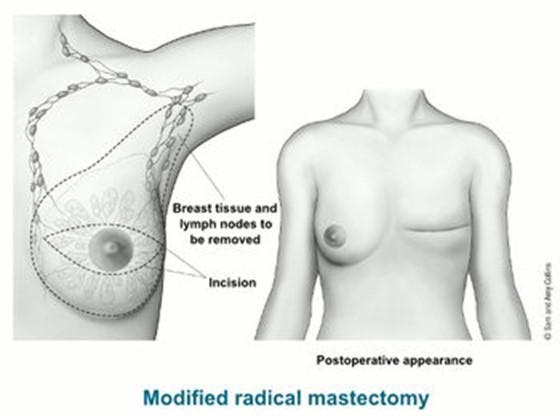
A nurse is caring for a client following a bilateral mastectomy. The client is often tearful and avoids looking at her dressings. Which of the following actions should the nurse take first?
A. Refer the client to a breast cancer support group.
Choice A is not the first action the nurse should take because referring the client to a breast cancer support group may be helpful, but it is not addressing the immediate concern of the client’s emotional state.
B. Identify the impact of the mastectomy on the client's body image.
The nurse should first identify the impact of the mastectomy on the client’s body image. This is because the client’s behavior of avoiding looking at her dressings and being tearful suggests that she may be struggling with changes to her body image after the surgery. By identifying and addressing this issue, the nurse can provide appropriate emotional support and interventions to help the client cope with these changes.
C. Encourage the client to assist with her dressing changes.
Choice C is not the first action because encouraging the client to assist with her dressing changes may be premature if she is still struggling emotionally with her body image.
D. Provide the client with a mirror to look at her mastectomy incisions.
Choice D is not the first action because providing the client with a mirror to look at her mastectomy incisions may be overwhelming for her if she is not yet ready to confront her changed appearance.
This question is an excerpt from Nurse Dive's nursing test bank - ATI RN Fundamentals 2019 with NGN Proctored Exam. Take the full exam now
Full Explanation
The nurse should first identify the impact of the mastectomy on the client’s body image.
This is because the client’s behavior of avoiding looking at her dressings and being tearful suggests that she may be struggling with changes to her body image after the surgery.
By identifying and addressing this issue, the nurse can provide appropriate emotional support and interventions to help the client cope with these changes.
Choice A is not the first action the nurse should take because referring the client to a breast cancer support group may be helpful, but it is not addressing the immediate concern of the client’s emotional state.
Choice C is not the first action because encouraging the client to assist with her dressing changes may be premature if she is still struggling emotionally with her body image.
Choice D is not the first action because providing the client with a mirror to look at her mastectomy incisions may be overwhelming for her if she is not yet ready to confront her changed appearance.
Similar Questions
When preparing medication from a vial for a subcutaneous injection for a client, which of the following actions should the nurse take?
A. Hold the syringe so that bubbles collect at the level of the plunger.
Choice A is wrong because holding the syringe so that bubbles collect at the level of the plunger is not necessary when preparing medication from a vial.
B. Hold the vial with the top facing upward while injecting air into the vial.
When preparing medication from a vial for subcutaneous injection for a client, the nurse should hold the vial with the top facing upward while injecting air into the vial. This is because injecting air into the vial equalizes the pressure inside and makes it easier to withdraw the medication 1.
C. Inject air into the vial with the eye of the needle immersed in the fluid.
Choice C is wrong because injecting air into the vial with the eye of the needle immersed in the fluid can contaminate the medication.
D. Hold the syringe at a 45° angle to verify dosage.
Choice D is wrong because holding the syringe at a 45° angle is not necessary when verifying dosage.
Full Explanation
When preparing medication from a vial for subcutaneous injection for a client, the nurse should hold the vial with the top facing upward while injecting air into the vial.
This is because injecting air into the vial equalizes the pressure inside and makes it easier to withdraw the medication 1.
Choice A is wrong because holding the syringe so that bubbles collect at the level of the plunger is not necessary when preparing medication from a vial.
Choice C is wrong because injecting air into the vial with the eye of the needle immersed in the fluid can contaminate the medication.
Choice D is wrong because holding the syringe at a 45° angle is not necessary when verifying dosage.
When caring for a client who has wrist restraints after an episode of violent behavior, which of the following actions should the nurse take?
A. Tie the restraints to the side rail.
Choice A is wrong because tying the restraints to the side rail can be dangerous as it can cause injury to the client if they move suddenly.
B. Remove the restraints every 3 hr.
Choice B is wrong because removing the restraints every 3 hours is not a specific guideline and may vary depending on the facility’s policy and the client’s condition.
C. Remove one restraint at a time.
When caring for a client who has wrist restraints after an episode of violent behavior, the nurse should remove one restraint at a time. This allows the nurse to assess the client’s behavior and response to having one arm free while still maintaining some level of control and safety.
D. Secure restraints with a square knot.
Choice D is wrong because securing restraints with a square knot can make it difficult to quickly release the restraints in an emergency.
Full Explanation
When caring for a client who has wrist restraints after an episode of violent behavior, the nurse should remove one restraint at a time.
This allows the nurse to assess the client’s behavior and response to having one arm free while still maintaining some level of control and safety.
Choice A is wrong because tying the restraints to the side rail can be dangerous as it can cause injury to the client if they move suddenly.
Choice B is wrong because removing the restraints every 3 hours is not a specific guideline and may vary depending on the facility’s policy and the client’s condition.
Choice D is wrong because securing restraints with a square knot can make it difficult to quickly release the restraints in an emergency.
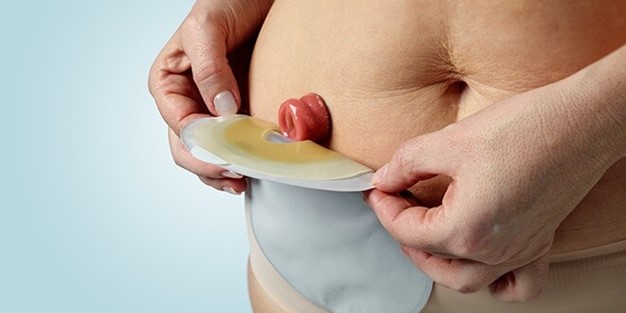
A client who has colon cancer and is scheduled for a colon resection with a possible colostomy tells the nurse, "I'm worried about that bag."
Which of the following is an appropriate response by the nurse?
A. "Let's wait until after the surgery to discuss your concerns about your colostomy.".
Choice A is not an appropriate response because it dismisses the client’s current concern and delays addressing it until after the surgery.
B. "You are worried about having to wear a colostomy bag?".
The nurse should respond to the client’s concern by saying “You are worried about having to wear a colostomy bag?” This response acknowledges the client’s concern and allows the client to express their feelings and concerns about the potential colostomy.
C. "The surgeon will only place the colostomy if it is necessary.".
Choice C is not an appropriate response because it does not address the client’s concern about wearing a colostomy bag.
D. "Have you ever known someone who has a colostomy?".
Choice D is not an appropriate response because it shifts the focus away from the client’s concern and onto someone else.
Full Explanation
The nurse should respond to the client’s concern by saying “You are worried about having to wear a colostomy bag?” This response acknowledges the client’s concern and allows the client to express their feelings and concerns about the potential colostomy.
Choice A is not an appropriate response because it dismisses the client’s current concern and delays addressing it until after the surgery.
Choice C is not an appropriate response because it does not address the client’s concern about wearing a colostomy bag.
Choice D is not an appropriate response because it shifts the focus away from the client’s concern and onto someone else.