Nursing practice questions with comprehensive rationales
NurseDive Free Nursing Practice Question
A nurse is caring for a client following a recent suicide attempt. Which of the following actions should the nurse take?
A. Initiate one to one constant supervision around the clock.
Initiate one to one constant supervision around the clock: A client who has attempted suicide is at high risk for further harm, and close monitoring is necessary to prevent further attempts. Initiation of one-to- one constant supervision around the clock ensures that the client is continuously monitored, and any signs of suicidal ideation or behavior can be immediately addressed.
B. Ensure the client's hands are always visible.
Ensure the client's hands are always visible: This action may be necessary if the client has a history of self-harm or aggressive behavior, but it is not specifically related to preventing suicide attempts.
C. Tuck bedcovers over client's hands and arms.
Tuck bedcovers over client's hands and arms: This action may be necessary if the client has a history of self-harm, but it is not specifically related to preventing suicide attempts.
D. Inspect the client's personal belongings.
Inspect the client's personal belongings: While it may be important to inspect the client's personal belongings for any items that could be used for self-harm, this action is not as urgent as initiating constant supervision and checking the environment for hazards.
E. Check the environment for possible hazards.
Check the environment for possible hazards: It is important to check the client's environment for potential hazards, such as sharp objects, cords, or other items that could be used to harm oneself. This step helps to ensure the client's safety and prevent further attempts.
F. Assign the client to a private room.
Assign the client to a private room: While a private room may be beneficial for the client's comfort and privacy, it is not specifically related to preventing suicide attempts.
G. Place only plastic utensils on the client's meal tray.
Place only plastic utensils on the client's meal tray: This action is not specifically related to preventing suicide attempts, unless there is concern that the client may harm themselves with utensils.
This question is an excerpt from Nurse Dive's nursing test bank - Mental Health - Proctored Exam 2. Take the full exam now
Full Explanation
a. Initiate one to one constant supervision around the clock: A client who has attempted suicide is at high risk for further harm, and close monitoring is necessary to prevent further attempts. Initiation of one-to- one constant supervision around the clock ensures that the client is continuously monitored, and any signs of suicidal ideation or behavior can be immediately addressed.
e. Check the environment for possible hazards: It is important to check the client's environment for potential hazards, such as sharp objects, cords, or other items that could be used to harm oneself. This step helps to ensure the client's safety and prevent further attempts.
The other options are not appropriate or necessary in this situation:
b. Ensure the client's hands are always visible: This action may be necessary if the client has a history of self-harm or aggressive behavior, but it is not specifically related to preventing suicide attempts.
c. Tuck bedcovers over client's hands and arms: This action may be necessary if the client has a history of self-harm, but it is not specifically related to preventing suicide attempts.
d. Inspect the client's personal belongings: While it may be important to inspect the client's personal belongings for any items that could be used for self-harm, this action is not as urgent as initiating constant supervision and checking the environment for hazards.
f. Assign the client to a private room: While a private room may be beneficial for the client's comfort and privacy, it is not specifically related to preventing suicide attempts.
g. Place only plastic utensils on the client's meal tray: This action is not specifically related to preventing suicide attempts, unless there is concern that the client may harm themselves with utensils.
Similar Questions
After several therapeutic sessions with a client who recently attempted suicide, which occurrence should cause the nurse to consider the possibility of transference?
Select one:
A. The nurse develops a trusting relationship with the patient.
B. The patient states,” Talking to you feels like talking to my parents and uncle."
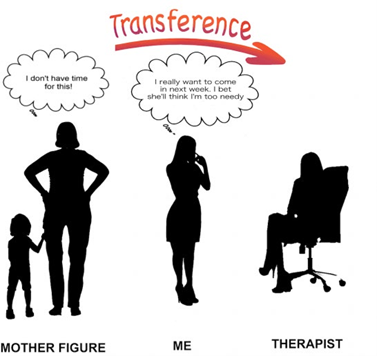
This statement by the patient suggests that they may be projecting their feelings, thoughts, and attitudes toward their parents and uncle onto the therapist. This projection is a common phenomenon in therapy and is known as transference. Transference occurs when a patient transfers emotions, desires, and expectations from one person to another, usually the therapist. It can be positive or negative and can affect the therapeutic relationship. Therefore, the statement "Talking to you feels like talking to my parents and uncle" is a clear indication of transference and should be carefully considered by the therapist in the ongoing therapy sessions. The therapist should explore the patient's feelings and experiences with their parents and uncle to better understand the nature of the transference and how it may be affecting the therapeutic process.
C. The patient's reactions toward the nurse seem realistic and appropriate.
D. The nurse feels unusually and excessively happy when the patient's mood begins to lift.
Full Explanation
This statement by the patient suggests that they may be projecting their feelings, thoughts, and attitudes toward their parents and uncle onto the therapist. This projection is a common phenomenon in therapy and is known as transference. Transference occurs when a patient transfers emotions, desires, and expectations from one person to another, usually the therapist. It can be positive or negative and can affect the therapeutic relationship.
Therefore, the statement "Talking to you feels like talking to my parents and uncle" is a clear indication of transference and should be carefully considered by the therapist in the ongoing therapy sessions. The therapist should explore the patient's feelings and experiences with their parents and uncle to better understand the nature of the transference and how it may be affecting the therapeutic process.
A patient cries as the nurse explores the patient's relationship with a deceased parent. The patient says, “I shouldn't be crying like this, it happened a long time ago.” Which responses by the nurse will facilitate communication? Select all that apply.
Select one or more:
A. “I can see that you feel sad about this situation.”
These responses by the nurse show empathy and validate the patient’s feelings. They also encourage the patient to continue expressing their emotions and facilitate communication.
B. "Don't be sad, everyone has to pass for something like this in the life.”
Option b. “Don’t be sad, everyone has to pass for something like this in the life” is not a helpful response because it minimizes the patient’s feelings and may make them feel like their emotions are not valid.
C. I felt very sad when my mother died, it was horrible!
Option c. “I felt very sad when my mother died, it was horrible!” is not a helpful response because it shifts the focus of the conversation away from the patient and onto the nurse’s personal experience.
D. "Let's talk about something else. this subject is upsetting you, don't worry about this."
Option d. “Let’s talk about something else. this subject is upsetting you, don’t worry about this” is not a helpful response because it dismisses the patient’s emotions and may make them feel like they are not allowed to express their feelings.
E. “The loss of your parent should be very painful for you."
These responses by the nurse show empathy and validate the patient’s feelings. They also encourage the patient to continue expressing their emotions and facilitate communication.
Full Explanation
a. “I can see that you feel sad about this situation”.
e. “The loss of your parent should be very painful for you.”
These responses by the nurse show empathy and validate the patient’s feelings. They also encourage the patient to continue expressing their emotions and facilitate communication.
Option b. “Don’t be sad, everyone has to pass for something like this in the life” is not a helpful response
because it minimizes the patient’s feelings and may make them feel like their emotions are not valid.
Option c. “I felt very sad when my mother died, it was horrible!” is not a helpful response because it shifts the focus of the conversation away from the patient and onto the nurse’s personal experience.
Option d. “Let’s talk about something else. this subject is upsetting you, don’t worry about this” is not a helpful response because it dismisses the patient’s emotions and may make them feel like they are not allowed to express their feelings.
In a Behavioral Health Unit team meeting, a registered nurse Says, "l am concerned if we are behaving ethically by using restraint to prevent one patient from self-mutilation while the care plan for another patient who has also self-mutilated issues calls for one-on-one supervision."
Which ethical principle most clearly applies to this situation?
A. Veracity
Option a. Veracity refers to the principle of truth-telling and honesty.
B. Non maleficence
Option b. non-maleficence refers to the principle of doing no harm.
C. Autonomy
Option c. Autonomy refers to the principle of respecting an individual’s right to make their own decisions.
D. Justice
The ethical principle of justice refers to the fair and equal treatment of all individuals. In this situation, the nurse is concerned about whether the team is behaving ethically by using different approaches to prevent self-mutilation in two patients. The nurse is questioning whether the team is treating both patients fairly and equally.
Full Explanation
The ethical principle of justice refers to the fair and equal treatment of all individuals. In this situation, the nurse is concerned about whether the team is behaving ethically by using different approaches to prevent self-mutilation in two patients. The nurse is questioning whether the team is treating both patients fairly and equally.
Option a. Veracity refers to the principle of truth-telling and honesty.
Option b. non-maleficence refers to the principle of doing no harm.
Option c. Autonomy refers to the principle of respecting an individual’s right to make their own decisions.