
Nursing practice questions with comprehensive rationales
NurseDive Free Nursing Practice Question
A nurse is caring for a client following a total knee arthroplasty. The client reports a pain level of 6 on a pain scale of 0 to 10.
Which of the following interventions should the nurse take?
A. Place pillows under the client's knee.
Applying an ice pack can help reduce pain and swelling after total knee arthroplasty. Placing pillows under the client’s knee (choice A) is not recommended as it can hinder circulation and delay healing.
B. Perform range-of-motion exercises on the client's knee.
Performing range-of-motion exercises to the client’s knee (choice B) may be part of the rehabilitation process but should be done under the guidance of a physical therapist and may not be appropriate for immediate pain relief.
C. Apply an ice pack to the client's knee.
Applying an ice pack can help reduce pain and swelling after total knee arthroplasty.
D. Gently massage the area around the client's incision.
Gently massaging the area around the client’s incision (choice D) may not be appropriate as it can cause discomfort and disrupt the healing process.
This question is an excerpt from Nurse Dive's nursing test bank - ATI Adult Medical Surgical 2019 Proctored Exam. Take the full exam now
Full Explanation
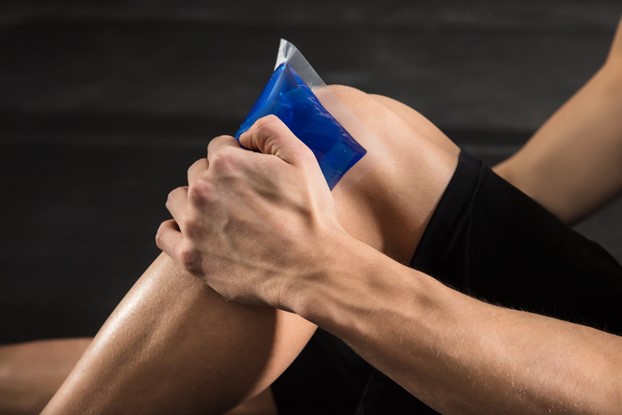
Applying an ice pack can help reduce pain and swelling after total knee arthroplasty.
Placing pillows under the client’s knee (choice A) is not recommended as it can hinder circulation and delay healing.
Performing range-of-motion exercises to the client’s knee (choice B) may be part of the rehabilitation process but should be done under the guidance of a physical therapist and may not be appropriate for immediate pain relief.
Gently massaging the area around the client’s incision (choice D) may not be appropriate as it can cause discomfort and disrupt the healing process.
Similar Questions
A nurse is teaching about food choices to a client who has chronic kidney disease and must limit potassium intake.
Which of the following choices should the nurse recommend as containing the least potassium?
A. 1/2 cup nonfat yogurt.
Nonfat yogurt (choice A) contains moderate amounts of potassium and may not be the best choice for someone who needs to limit their potassium intake.
B. 1 medium baked potato with skin.
A medium baked potato with skin (choice B) is high in potassium and should be limited to a
C. 2 tbsp peanut butter.
Peanut butter (choice C) also contains moderate amounts of potassium and may not be the best choice for someone who needs to limit their potassium intake.
D. 1 cup white rice.
White rice is a low-potassium food that can be recommended for a client who has chronic kidney disease and must limit potassium intake.
Full Explanation
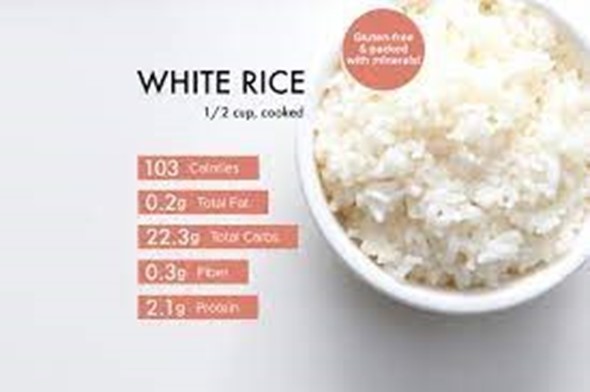
White rice is a low-potassium food that can be recommended for a client who has chronic kidney disease and must limit potassium intake.
Nonfat yogurt (choice A) contains moderate amounts of potassium and may not be the best choice for someone who needs to limit their potassium intake.
A medium baked potato with skin (choice B) is high in potassium and should be limited to a low-potassium diet.
Peanut butter (choice C) also contains moderate amounts of potassium and may not be the best choice for someone who needs to limit their potassium intake.
A nurse is teaching about food choices to a client who has chronic kidney disease and must limit potassium intake.
Which of the following choices should the nurse recommend as containing the least potassium?
A. 1/2 cup nonfat yogurt.
Nonfat yogurt (choice A) contains moderate amounts of potassium and may not be the best choice for someone who needs to limit their potassium intake.
B. 1 medium baked potato with skin.
A medium baked potato with skin (choice B) is high in potassium and should be limited to a
C. 2 tbsp peanut butter.
Peanut butter (choice C) also contains moderate amounts of potassium and may not be the best choice for someone who needs to limit their potassium intake.
D. 1 cup white rice.
White rice is a low-potassium food that can be recommended for a client who has chronic kidney disease and must limit potassium intake.
Full Explanation
White rice is a low-potassium food that can be recommended for a client who has chronic kidney disease and must limit potassium intake.
Nonfat yogurt (choice A) contains moderate amounts of potassium and may not be the best choice for someone who needs to limit their potassium intake.
A medium baked potato with skin (choice B) is high in potassium and should be limited to a low-potassium diet.
Peanut butter (choice C) also contains moderate amounts of potassium and may not be the best choice for someone who needs to limit their potassium intake.
A nurse is assessing a client admitted with peripheral vascular disease.
Which of the following findings indicates a venous vascular disorder?
A. Edema of the ankle.
Edema, or swelling in the legs, is a common symptom of venous disease.
B. Hair loss distal to the client's calves.
Hair loss distal to the client’s calves (choice B) is not a typical symptom of venous vascular disorder.
C. Leg pain at rest.
Leg pain at rest (choice C) can be a symptom of peripheral vascular disease but is not specific to venous vascular disorder.
D. An ulcer on the tip of a toe.
An ulcer on the tip of a toe (choice D) can be a sign of arterial vascular disorder but is not specific to venous vascular disorder.
Full Explanation
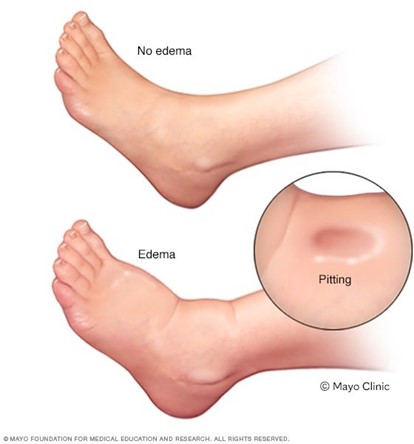
Edema, or swelling in the legs, is a common symptom of venous disease.
Hair loss distal to the client’s calves (choice B) is not a typical symptom of venous vascular disorder.
Leg pain at rest (choice C) can be a symptom of peripheral vascular disease but is not specific to venous vascular disorder.
An ulcer on the tip of a toe (choice D) can be a sign of arterial vascular disorder but is not specific to venous vascular disorder.