
Nursing practice questions with comprehensive rationales
NurseDive Free Nursing Practice Question
A nurse is caring for a client following a vaginal delivery of a term fetal demise. Which of the following statements should the nurse make?
A. "You should name the baby so she can have an identity.”
Choice A is incorrect because it is not appropriate for the nurse to suggest that the client should name the baby.
B. "If you don't hold the baby, it will make letting go much harder.”
Choice B is incorrect because it is not appropriate for the nurse to suggest that not holding the baby will make letting go much harder.
C. "I'm sure you will be able to have another baby when you're ready.”
Choice C is incorrect because it is not appropriate for the nurse to make assumptions about future pregnancies.
D. "You can bathe and dress your baby if you'd like to.”
A nurse caring for a client following a vaginal delivery of a term fetal demise should offer the client the option to bathe and dress their baby if they would like to.
This question is an excerpt from Nurse Dive's nursing test bank - ATI RN Maternal Newborn 2019 with NGN Proctored Exam. Take the full exam now
Full Explanation
A nurse caring for a client following a vaginal delivery of a term fetal demise should offer the client the option to bathe and dress their baby if they would like to.
Choice A is incorrect because it is not appropriate for the nurse to suggest that the client should name the baby.
Choice B is incorrect because it is not appropriate for the nurse to suggest that not holding the baby will make letting go much harder.
Choice C is incorrect because it is not appropriate for the nurse to make assumptions about future pregnancies.
Similar Questions
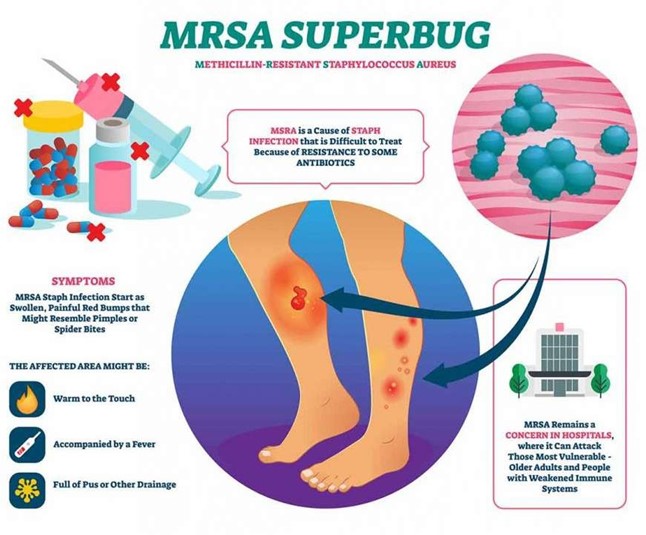
A nurse is caring for a client who is at 36 weeks of gestation and has methicillin- resistant Staphylococcus aureus.
Which of the following types of isolation precautions should the nurse initiate?
A. Droplet.
Choice A is incorrect because Droplet Precautions are not necessary for MRSA.
B. Protective environment.
Choice B is incorrect because a Protective Environment is not necessary for MRSA.
C. Contact.
A nurse caring for a client who is at 36 weeks of gestation and has methicillin- resistant Staphylococcus aureus (MRSA) should initiate Contact Precautions.
D. Airborne.
Choice D is incorrect because Airborne Precautions are not necessary for MRSA.
Full Explanation
A nurse caring for a client who is at 36 weeks of gestation and has methicillin- resistant Staphylococcus aureus (MRSA) should initiate Contact Precautions.
Choice A is incorrect because Droplet Precautions are not necessary for MRSA.
Choice B is incorrect because a Protective Environment is not necessary for MRSA.
Choice D is incorrect because Airborne Precautions are not necessary for MRSA.
A nurse is caring for a newborn who has exstrophy of the bladder.
Which of the following actions should the nurse take prior to the beginning of surgical correction?
A. Restrict the newborn's fluid intake.
Choice A is incorrect because it is not necessary to restrict the newborn’s fluid intake.
B. Keep the newborn in a side-lying position.
Choice B is incorrect because it is not necessary to keep the newborn in a side- lying position.
C. Cover the newborn's bladder with a sterile, non-adherent dressing.
A nurse caring for a newborn who has exstrophy of the bladder should cover the newborn’s bladder with a sterile, non-adherent dressing prior to the beginning of surgical correction.
D. Exert gentle pressure on the newborn's bladder with sterile gauze.
Choice D is incorrect because it is not appropriate to exert gentle pressure on the newborn’s bladder with sterile gauze.
E. Exert gentle pressure on the newborn's bladder with sterile gauze.
Full Explanation
A nurse caring for a newborn who has exstrophy of the bladder should cover the newborn’s bladder with a sterile, non-adherent dressing prior to the beginning of surgical correction.
Choice A is incorrect because it is not necessary to restrict the newborn’s fluid intake.
Choice B is incorrect because it is not necessary to keep the newborn in a side- lying position.
Choice D is incorrect because it is not appropriate to exert gentle pressure on
the newborn’s bladder with sterile gauze.
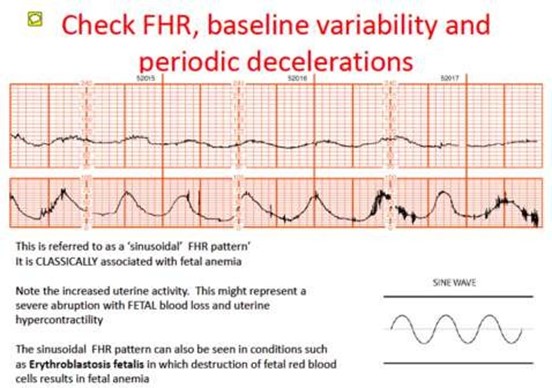
A nurse is assessing the results of a nonstress test for an antepartal client at 35 weeks of gestation.
Which of the following findings should indicate to the nurse the need for further diagnostic testing?
A. An increase in fetal heart rate to 150/min above the baseline of 140/min lasting 10 seconds in response to fetal movement within a 40-min testing period.
Choice A is incorrect because an increase in fetal heart rate to 150/min above the baseline of 140/min lasting 10 seconds in response to fetal movement within a 40-min testing period is a normal result.
B. No late decelerations noted with three uterine contractions of 60 seconds in
Choice B is incorrect because irregular contractions of 10 to 20 seconds in duration that are not felt by the client do not indicate the need for further diagnostic testing.
C. duration within a 10-min testing period.
A nurse assessing the results of a nonstress test for an antepartal client at 35 weeks of gestation should indicate the need for further diagnostic testing if there are no late decelerations noted with three uterine contractions of 60 seconds in duration within a 10-min testing period.
D. Irregular contractions of 10 to 20 seconds in duration that are not felt by the
Choice D is incorrect because three fetal movements perceived by the client in a 20-min testing period do not indicate the need for further diagnostic testing.
E. client.
Full Explanation
A nurse assessing the results of a nonstress test for an antepartal client at 35 weeks of gestation should indicate the need for further diagnostic testing if there are no late decelerations noted with three uterine contractions of 60 seconds in duration within a 10-min testing period.
Choice A is incorrect because an increase in fetal heart rate to 150/min above the baseline of 140/min lasting 10 seconds in response to fetal movement within a 40-min testing period is a normal result.
Choice B is incorrect because irregular contractions of 10 to 20 seconds in duration that are not felt by the client do not indicate the need for further diagnostic testing.
Choice D is incorrect because three fetal movements perceived by the client in a 20-min testing period do not indicate the need for further diagnostic testing.