
Nursing practice questions with comprehensive rationales
NurseDive Free Nursing Practice Question
A nurse is caring for a client following cataract surgery. Which of the following comments from the client should the nurse report to the client's provider?
A. "It's hard to see with a patch on one eye. I'm afraid of falling."
reason: This is incorrect because this comment does not require reporting to the client's provider. It is normal to have reduced vision and an increased risk of falling with a patch on one eye after cataract surgery. The nurse should reassure the client, provide assistance with mobility, and educate the client on safety measures.
B. "My eye really itches, but I'm trying not to rub it."
reason: This is incorrect because this comment does not require reporting to the client's provider. It is normal to have some itching and discomfort in the eye after cataract surgery. The nurse should commend the client for not rubbing the eye, as this can cause infection or damage to the surgical site. The nurse should also administer anti-inflammatory eye drops as prescribed and instruct the client on how to apply them.
C. "The bright light in this room is really bothering me."
reason: This is incorrect because this comment does not require reporting to the client's provider. It is normal to have increased sensitivity to light in the eye after cataract surgery. The nurse should dim the lights in the room, provide sunglasses or a shield for the eye, and educate the client on how to protect the eye from bright light.
D. "I need something for the pain in my eye. I can't stand it."
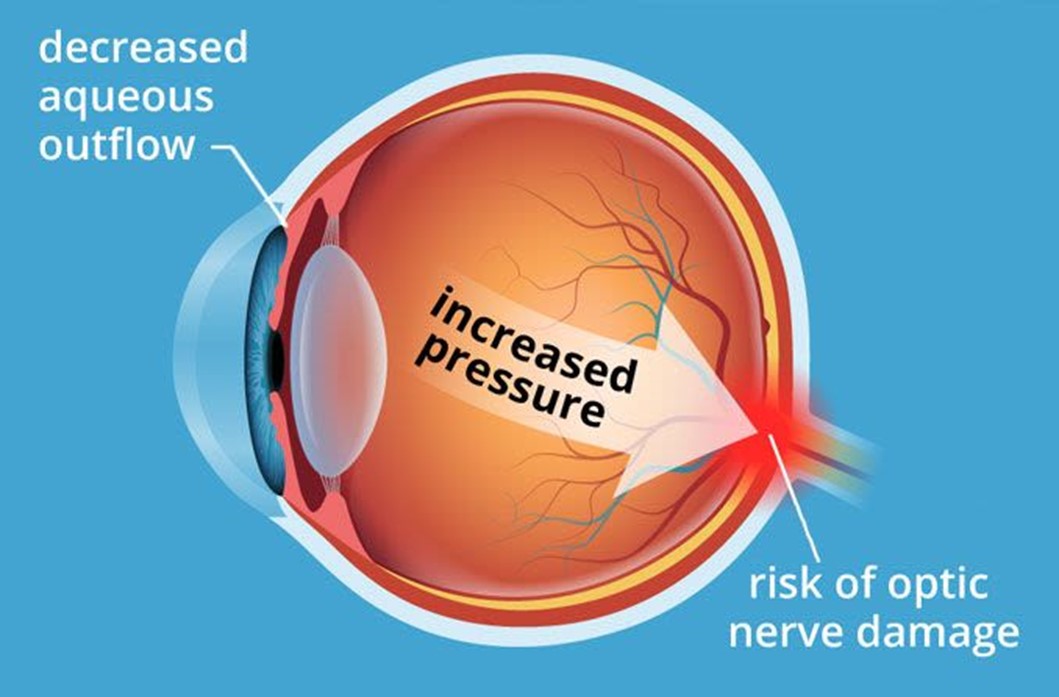
reason: This is the correct answer because this comment requires reporting to the client's provider. Severe pain in the eye after cataract surgery can indicate a complication such as infection, inflammation, bleeding, or increased intraocular pressure. The nurse should assess the eye for signs of redness, swelling, discharge, or bleeding, and report the findings and the pain level to the provider. The nurse should also administer analgesics as prescribed and monitor the pain relief.
This question is an excerpt from Nurse Dive's nursing test bank - ATI Med Surg Proctored Exam 4. Take the full exam now
Full Explanation
Choice A reason: This is incorrect because this comment does not require reporting to the client's provider. It is normal to have reduced vision and an increased risk of falling with a patch on one eye after cataract surgery. The nurse should reassure the client, provide assistance with mobility, and educate the client on safety measures.
Choice B reason: This is incorrect because this comment does not require reporting to the client's provider. It is normal to have some itching and discomfort in the eye after cataract surgery. The nurse should commend the client for not rubbing the eye, as this can cause infection or damage to the surgical site. The nurse should also administer anti-inflammatory eye drops as prescribed and instruct the client on how to apply them.
Choice C reason: This is incorrect because this comment does not require reporting to the client's provider. It is normal to have increased sensitivity to light in the eye after cataract surgery. The nurse should dim the lights in the room, provide sunglasses or a shield for the eye, and educate the client on how to protect the eye from bright light.
Choice D reason: This is the correct answer because this comment requires reporting to the client's provider. Severe pain in the eye after cataract surgery can indicate a complication such as infection, inflammation, bleeding, or increased intraocular pressure. The nurse should assess the eye for signs of redness, swelling, discharge, or bleeding, and report the findings and the pain level to the provider. The nurse should also administer analgesics as prescribed and monitor the pain relief.
Similar Questions
A patient who is unconscious after a head injury has cerebral edema. Which nursing intervention will be included in the plan of care?
A. Encourage coughing and deep breathing
Reason: This is incorrect because encouraging coughing and deep breathing can increase intracranial pressure (ICP), which is the pressure inside the skull that can affect brain function. Coughing and deep breathing can increase blood flow and oxygen demand to the brain, which can worsen cerebral edema. The nurse should suction the patient as needed and maintain a patent airway.
B. Position the patient with knees and hips flexed
Reason: This is incorrect because positioning the patient with knees and hips flexed can increase ICP by reducing venous drainage from the head. The nurse should position the patient with neck and body in alignment and avoid extreme flexion or extension of any joints.
C. Perform nursing interventions once an hour to provide rest periods
Reason: This is incorrect because performing nursing interventions once an hour can disturb the patient's sleep and increase ICP by stimulating brain activity. The nurse should cluster nursing interventions and provide quiet and dark environment to promote rest and reduce stress.
D. Keep the head of the bed elevated to 30 degrees
Reason: This is correct because keeping the head of the bed elevated to 30 degrees can decrease ICP by facilitating venous drainage from the head and reducing cerebral blood volume. The nurse should monitor the patient's blood pressure and pulse to ensure adequate cerebral perfusion.
Full Explanation
Choice A Reason: This is incorrect because encouraging coughing and deep breathing can increase intracranial pressure (ICP), which is the pressure inside
the skull that can affect brain function. Coughing and deep breathing can increase blood flow and oxygen demand to the brain, which can worsen cerebral edema. The nurse should suction the patient as needed and maintain a patent airway.
Choice B Reason: This is incorrect because positioning the patient with knees and hips flexed can increase ICP by reducing venous drainage from the head. The nurse should position the patient with neck and body in alignment and avoid extreme flexion or extension of any joints.
Choice C Reason: This is incorrect because performing nursing interventions once an hour can disturb the patient's sleep and increase ICP by stimulating brain activity. The nurse should cluster nursing interventions and provide quiet and dark environment to promote rest and reduce stress.
Choice D Reason: This is correct because keeping the head of the bed elevated to 30 degrees can decrease ICP by facilitating venous drainage from the head and reducing cerebral blood volume. The nurse should monitor the patient's blood pressure and pulse to ensure adequate cerebral perfusion.
The nurse observes the client as he walks into the clinic. She notices a slight tremor of the hands, slowness of movements, and a mask-like facial expression, with postural instability. Which of the following in the client's history are consistent with these observations?
A. Acute hemorrhagic stroke.
reason: This is incorrect because acute hemorrhagic stroke is not consistent with these observations. Acute hemorrhagic stroke is a sudden bleeding in the brain that can cause severe neurological deficits, such as paralysis, aphasia, or coma. It does not cause tremors, slowness, or mask-like facial expressions.
B. Alzheimer's disease.
reason: This is incorrect because Alzheimer's disease is not consistent with these observations. Alzheimer's disease is a progressive degeneration of the brain that causes cognitive impairment, memory loss, and behavioral changes. It does not cause tremors, slowness, or mask-like facial expressions.
C. Parkinson's disease.
reason: This is the correct answer because Parkinson's disease is consistent with these observations. Parkinson's disease is a chronic disorder of the brain that affects movement and coordination. It causes tremors, slowness, rigidity, and postural instability, as well as mask-like facial expressions due to reduced facial muscle activity.
D. Traumatic brain injury.
reason: This is incorrect because traumatic brain injury is not consistent with these observations. Traumatic brain injury is damage to the brain caused by external force, such as a blow, fall, or penetration. It can cause various neurological symptoms depending on the location and severity of the injury, but it does not typically cause tremors, slowness, or mask-like facial expressions.
Full Explanation
Choice A reason: This is incorrect because acute hemorrhagic stroke is not consistent with these observations. Acute hemorrhagic stroke is a sudden bleeding in the brain that can cause severe neurological deficits, such as paralysis, aphasia, or coma. It does not cause tremors, slowness, or mask-like facial expressions.
Choice B reason: This is incorrect because Alzheimer's disease is not consistent with these observations. Alzheimer's disease is a progressive degeneration of the brain that causes cognitive impairment, memory loss, and behavioral changes. It does not cause tremors, slowness, or mask-like facial expressions.
Choice C reason: This is the correct answer because Parkinson's disease is consistent with these observations. Parkinson's disease is a chronic disorder of the brain that affects movement and coordination. It causes tremors, slowness, rigidity, and postural instability, as well as mask-like facial expressions due to reduced facial muscle activity.
Choice D reason: This is incorrect because traumatic brain injury is not consistent with these observations. Traumatic brain injury is damage to the brain caused by external force, such as a blow, fall, or penetration. It can cause various neurological symptoms depending on the location and severity of the injury, but it does not typically cause tremors, slowness, or mask-like facial expressions.
The results of a client's audiogram indicate that the client has hearing at 15 decibels (dB). What action should the nurse take when communicating to the client?
A. Provide written materials and visual aids
Reason: Providing written materials and visual aids is not necessary for a client who has hearing at 15 dB, which is considered normal hearing. Normal hearing ranges from 0 to 20 dB, meaning that the person can hear sounds that are as faint as 20 dB or less.
B. Use American Sign Language
Reason: Using American Sign Language is not appropriate for a client who has hearing at 15 dB, which is considered normal hearing. American Sign Language is a form of communication that uses hand gestures, facial expressions, and body movements to convey meaning. It is mainly used by people who are deaf or hard of hearing.
C. Shout at the client from 6 inches away
Reason: Shouting at the client from 6 inches away is not advisable for a client who has hearing at 15 dB, which is considered normal hearing. Shouting can be perceived as rude or aggressive, and can damage the hearing of both the speaker and the listener.
D. Speak to the client in an everyday conversational tone
Reason: Speaking to the client in an everyday conversational tone is the best action for a client who has hearing at 15 dB, which is considered normal hearing. Conversational speech ranges from 40 to 60 dB, meaning that the person can hear sounds that are as loud as 60 dB or less.
Full Explanation
Choice A Reason: Providing written materials and visual aids is not necessary for a client who has hearing at 15 dB, which is considered normal hearing. Normal hearing ranges from 0 to 20 dB, meaning that the person can hear sounds that are as faint as 20 dB or less.
Choice B Reason: Using American Sign Language is not appropriate for a client who has hearing at 15 dB, which is considered normal hearing. American Sign Language is a form of communication that uses hand gestures, facial expressions, and body movements to convey meaning. It is mainly used by people who are deaf or hard of hearing.
Choice C Reason: Shouting at the client from 6 inches away is not advisable for a client who has hearing at 15 dB, which is considered normal hearing. Shouting can be perceived as rude or aggressive, and can damage the hearing of both the speaker and the listener.
Choice D Reason: Speaking to the client in an everyday conversational tone is the best action for a client who has hearing at 15 dB, which is considered normal hearing. Conversational speech ranges from 40 to 60 dB, meaning that the person can hear sounds that are as loud as 60 dB or less.