
Nursing practice questions with comprehensive rationales
NurseDive Free Nursing Practice Question
A nurse is caring for a client in the emergency department.
The nurse is caring for the client in the ED. The nurse understands that the client is at risk of developing which of the following complications? Select all that apply.
A. Hypotension
DKA can lead to several complications, including hypotension, which is indicated by the client's low blood pressure reading of 96/65 mm Hg.
B. Respiratory alkalosis
Respiratory alkalosis is less likely because DKA typically leads to metabolic acidosis, as indicated by the low pH of 7.30.
C. Septic shock
DKA does not result in septic shock but it instead causes hypovolemic shock in case of severe dehydration.
D. Cardiac arrhythmias
Cardiac arrhythmias can occur due to the electrolyte imbalances, as evidenced by the high potassium level of 5.5 mEq/L.
E. Renal failure
Renal failure is another potential complication, suggested by the elevated creatinine level of 1.7 mg/dL. The client's hyperglycemia and dehydration can stress the kidneys, potentially leading to acute kidney injury or renal failure.
F. Cerebral edema
Cerebral edema is a less common but severe complication of DKA, especially in children and adolescents, and should be considered given the client's symptoms of frequent urination and extreme thirst. It results from over-hydration of the client.
This question is an excerpt from Nurse Dive's nursing test bank - Ati Rn Adult Med Surg 2023 Proctored Exam. Take the full exam now
Full Explanation
A) DKA can lead to several complications, including hypotension, which is indicated by the client's low blood pressure reading of 96/65 mm Hg.
B) Respiratory alkalosis is less likely because DKA typically leads to metabolic acidosis, as indicated by the low pH of 7.30.
C) DKA does not result in septic shock but it instead causes hypovolemic shock in case of severe dehydration.
D) Cardiac arrhythmias can occur due to the electrolyte imbalances, as evidenced by the high potassium level of 5.5 mEq/L.
E) Renal failure is another potential complication, suggested by the elevated creatinine level of 1.7 mg/dL. The client's hyperglycemia and dehydration can stress the kidneys, potentially leading to acute kidney injury or renal failure.
F) Cerebral edema is a less common but severe complication of DKA, especially in children and adolescents, and should be considered given the client's symptoms of frequent urination and extreme thirst. It results from over-hydration of the client.
Similar Questions
A nurse is caring for a client in the emergency department.
A. Potassium chloride 20 mEq/L intravenous PRN potassium less than 5.0 mEq/L
None
B. Initiate cardiac monitoring
None
C. Regular insulin 20 units subcutaneously
None
D. Regular insulin continuous intravenous infusion, titrate per diabetic ketoacidosis (DKA) protocol once potassium is greater than 3.3 mEq/L
None
E. 0.9% sodium chloride at 15 ml/kg/hr for 1 hr and then reduce to 10 ml/kg/hr
None
F. Dextrose 5% in water (D5W) intravenous at 5 ml/kg/hr for 4 hr
None
G. Blood glucose checks every 4 hr
None
H. Monitor urine outputs
Monitoring urine output is important in clients with diabetes and dehydration. Therefore, inserting an indwelling urinary catheter is important in this scenario.
Full Explanation
A. This prescription addresses hypokalemia. Potassium chloride is administered intravenously to help normalize potassium levels within the desired range. However, in this case the patient’s potassium is 5.5 hence does not require potassium chloride.
B. The client has mild hyperkalemia; hence, continuous cardiac monitoring is prudent to detect any potential arrhythmias or changes in cardiac status. However, the priority interventions are insulin therapy, hydration, and urinary catheter insertion to monitor input and output.
C. Subcutaneous insulin administration may be appropriate for clients with diabetes mellitus, but in this case, the client's blood glucose level is critically high, and they may be experiencing diabetic ketoacidosis (DKA), which requires rapid correction. Subcutaneous insulin administration would not provide the prompt and aggressive treatment required for DKA.
D. This prescription addresses the client's hyperglycemia and acidosis indicated by the blood glucose level of 468 mg/dL and pH of 7.30, respectively. Continuous intravenous insulin infusion is the standard treatment for diabetic ketoacidosis (DKA) to lower blood glucose levels and correct acidosis.
E. This prescription addresses the client's dehydration indicated by the elevated blood glucose level, decreased blood pressure, and slight tenting of the skin. Intravenous fluid resuscitation with 0.9% sodium chloride is initiated to restore intravascular volume and correct electrolyte imbalances.
F. Administering D5W intravenously is contraindicated in the setting of hyperglycemia and diabetic ketoacidosis (DKA) because it would exacerbate the already elevated blood glucose levels. D5W contains glucose and would further increase blood glucose levels, worsening the client's condition.
G. While monitoring blood glucose levels is important for clients with diabetes, checking it every 4 hours is not sufficient in this scenario, especially given the client's markedly elevated blood glucose level of 468 mg/dL and symptoms suggestive of diabetic ketoacidosis (DKA). Therefore, blood glucose levels should be monitored at least hourly.
H. Monitoring urine output is important in clients with diabetes and dehydration. Therefore, inserting an indwelling urinary catheter is important in this scenario.
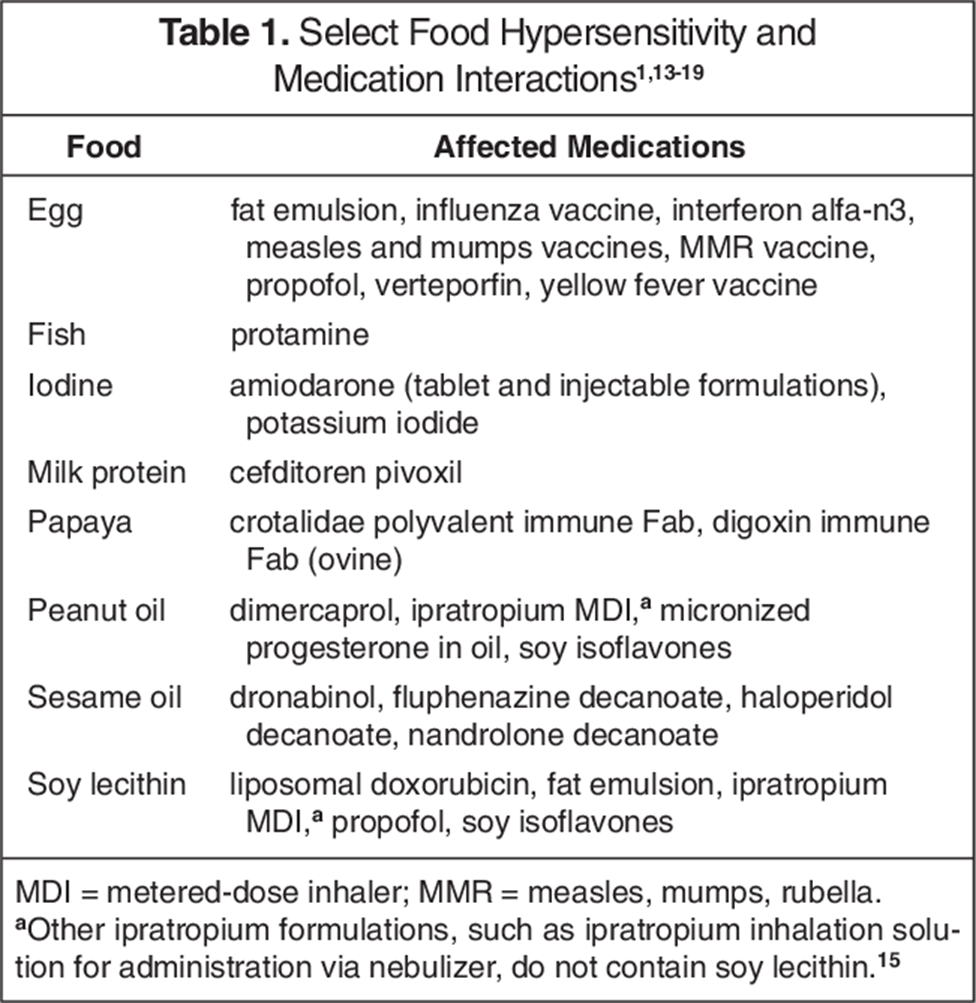
A nurse is asking a preoperative client about food allergies. Which of the following food allergies indicates a potential reaction to propofol?
A. Shellfish
Shellfish has no known interactions with propofol.
B. Eggs
Propofol, a commonly used anesthetic agent, contains egg lecithin as an emulsifier. Therefore, individuals with egg allergies are at risk of having an allergic reaction to propofol. It's essential for the nurse to identify this allergy to ensure the client's safety during the administration of anesthesia.
C. Strawberries
Strawberries do not interact with propofol.
D. Avocados
Avocados do not interact with propofol.
Full Explanation
A. Shellfish has no known interactions with propofol.
B. Propofol, a commonly used anesthetic agent, contains egg lecithin as an emulsifier. Therefore, individuals with egg allergies are at risk of having an allergic reaction to propofol. It's essential for the nurse to identify this allergy to ensure the client's safety during the administration of anesthesia.
C. Strawberries do not interact with propofol.
D. Avocados do not interact with propofol.
A nurse is caring for a client who is 2 days postoperative following a below-the-knee amputation and asks about the purpose of maintaining an elastic bandage around the residual limb of the extremity. Which of the following is an appropriate response by the nurse?
A. "The elastic bandage will prevent a postoperative wound infection."
While wound infection prevention is important, the elastic bandage primarily addresses edema control.
B. "The elastic bandage will prevent excessive edema."
Maintaining an elastic bandage around the residual limb helps to compress soft tissues and minimize edema, promoting healing and aiding in the shaping of the residual limb for future prosthesis fitting.
C. "The elastic bandage will keep you from seeing the surgical site."
The purpose of the elastic bandage is not related to preventing the client from seeing the surgical site.
D. "The elastic bandage will keep the sutures from loosening."
The elastic bandage is not primarily used to secure sutures; its main purpose is edema control.
Full Explanation
A. While wound infection prevention is important, the elastic bandage primarily addresses edema control.
B. Maintaining an elastic bandage around the residual limb helps to compress soft tissues and minimize edema, promoting healing and aiding in the shaping of the residual limb for future prosthesis fitting.
C. The purpose of the elastic bandage is not related to preventing the client from seeing the surgical site.
D. The elastic bandage is not primarily used to secure sutures; its main purpose is edema control.