Nursing practice questions with comprehensive rationales
NurseDive Free Nursing Practice Question
A nurse is caring for a client receiving mechanical ventilation via an endotracheal (ET) tube. The high-pressure alarm is beeping, and the client is experiencing respiratory distress. The nurse is unable to determine the cause of the alarm. Which of the following actions should the nurse take?
A. Re-evaluate the client for an ET cuff leak.
Re-evaluate the client for an ET cuff leak is not appropriate. While an ET cuff leak could contribute to respiratory distress, the immediate concern is the high-pressure alarm, which indicates increased resistance to airflow. The nurse should address the alarm first and then assess for other potential causes, including an ET cuff leak.
B. Assess for disconnected tubing.
Option B: Assess for disconnected tubing is not appropriate. A disconnected tubing is also a potential cause of the high-pressure alarm. However, before checking for disconnected tubing, the nurse should first deliver manual breaths with a resuscitation bag to provide the client with adequate ventilation.
C. Decrease the ventilator flow rate.
Decrease the ventilator flow rate is not appropriate. Decreasing the ventilator flow rate might not be the appropriate action in this situation, as the high-pressure alarm indicates increased resistance, which might require increased flow to overcome. Additionally, the nurse should not delay taking immediate action by adjusting ventilator settings without knowing the specific cause of the high-pressure alarm.
D. Deliver breaths manually with a resuscitation bag.
When the high-pressure alarm is beeping, and the client is experiencing respiratory distress, it indicates that there is an increased resistance to airflow within the ventilator circuit or the client's airway. This can be a life-threatening situation, and immediate action is required.
This question is an excerpt from Nurse Dive's nursing test bank - PN Comprehensive Predictor 2023 Proctored Exam. Take the full exam now
Full Explanation
Choice A reason
Re-evaluate the client for an ET cuff leak is not appropriate. While an ET cuff leak could contribute to respiratory distress, the immediate concern is the high-pressure alarm, which indicates increased resistance to airflow. The nurse should address the alarm first and then assess for other potential causes, including an ET cuff leak.
Choice B reason:
Option B: Assess for disconnected tubing is not appropriate. A disconnected tubing is also a potential cause of the high-pressure alarm. However, before checking for disconnected tubing, the nurse should first deliver manual breaths with a resuscitation bag to provide the client with adequate ventilation.
Choice C reason:
Decrease the ventilator flow rate is not appropriate. Decreasing the ventilator flow rate might not be the appropriate action in this situation, as the high-pressure alarm indicates increased resistance, which might require increased flow to overcome. Additionally, the nurse should not delay taking immediate action by adjusting ventilator settings without knowing the specific cause of the high-pressure alarm.
Choice D reason:
When the high-pressure alarm is beeping, and the client is experiencing respiratory distress, it indicates that there is an increased resistance to airflow within the ventilator circuit or the client's airway. This can be a life-threatening situation, and immediate action is required.
Similar Questions
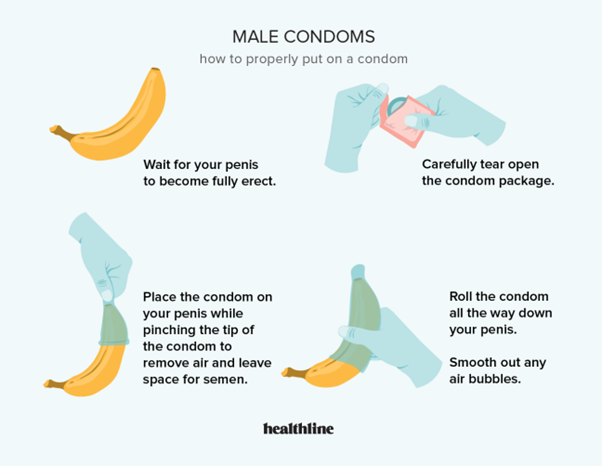
A nurse is teaching a client about condom use. Which of the following client statements should the nurse identify as an understanding of the teaching?
A. "I can use natural-skin condoms to prevent sexually transmitted infections."
I can use natural-skin condoms to prevent sexually transmitted infections." This statement is incorrect. Natural-skin or lambskin condoms are not recommended for preventing sexually transmitted infections (STIs). They may provide some protection against pregnancy but do not effectively protect against STIs. Clients should use latex or polyurethane condoms to reduce the risk of STIs.
B. "I can use petroleum jelly as a lubricant with the condom."
"I can use petroleum jelly as a lubricant with the condom." This statement is also incorrect. Petroleum jelly (Vaseline) and other oil-based lubricants can damage latex condoms, leading to a higher risk of breakage or failure. Clients should use water-based or silicone-based lubricants with latex or polyurethane condoms.
C. "I can re-use the condom one time after initial use."
"I can re-use the condom one time after initial use." This statement is incorrect. Condoms are designed for single-use only. Reusing a condom increases the risk of breakage, failure, and the transmission of STIs or unwanted pregnancy. Clients should always use a new condom for each sexual act.
D. "I can store the condoms in the drawer of my nightstand."
"I can store the condoms in the drawer of my nightstand." This statement is correct because it indicates that the client understands the proper storage of condoms. Storing condoms in a cool, dry place, such as a drawer or a condom case, helps protect them from damage or deterioration, ensuring they remain effective when needed.
Full Explanation
Choice A reason
"I can use natural-skin condoms to prevent sexually transmitted infections." This statement is incorrect. Natural-skin or lambskin condoms are not recommended for preventing sexually transmitted infections (STIs). They may provide some protection against pregnancy but do not effectively protect against STIs. Clients should use latex or polyurethane condoms to reduce the risk of STIs.
Choice B reason
"I can use petroleum jelly as a lubricant with the condom." This statement is also incorrect. Petroleum jelly (Vaseline) and other oil-based lubricants can damage latex condoms, leading to a higher risk of breakage or failure. Clients should use water-based or silicone-based lubricants with latex or polyurethane condoms.
Choice C reason:
"I can re-use the condom one time after initial use." This statement is incorrect. Condoms are designed for single-use only. Reusing a condom increases the risk of breakage, failure, and the transmission of STIs or unwanted pregnancy. Clients should always use a new condom for each sexual act.
Choice D reason:
"I can store the condoms in the drawer of my nightstand." This statement is correct because it indicates that the client understands the proper storage of condoms. Storing condoms in a cool, dry place, such as a drawer or a condom case, helps protect them from damage or deterioration, ensuring they remain effective when needed.
A nurse is caring for a client who is in a coma and is scheduled for a surgical procedure. Which of the following actions should the nurse take?
A. Ensure that the client's family supports the provider's decision for surgery.
Ensuring that the client's family supports the provider's decision for surgery is not an appropriate action. While family support is essential in the decision-making process, the primary responsibility lies with the client's health care surrogate or designated decision-maker. The family's support is not a substitute for obtaining informed consent from the designated decision-maker.
B. Send the unsigned informed consent form to the facility's risk manager.
Sending the unsigned informed consent form to the facility's risk manager is not appropriate action. The nurse should not send an unsigned informed consent form to the facility's risk manager. Unsigned consent forms do not have any legal significance or validity. The nurse should work with the health care surrogate to ensure that the consent form is appropriately completed and signed.
C. Determine if the procedure is medically necessary for the client.
Determining if the procedure is medically necessary for the client is not appropriate action. While the medical necessity of the procedure is important, the decision about the procedure's necessity should be made by the medical team and discussed with the health care surrogate. The nurse's role is to facilitate communication and ensure that the surrogate is informed and involved in the decision-making process.
D. Determine if the client's health care surrogate is aware of the risks and benefits of the procedure.
When a client is in a coma and unable to provide informed consent, the health care surrogate or designated decision-maker becomes responsible for making medical decisions on behalf of the client. It is essential for the nurse to ensure that the health care surrogate is aware of the situation, understands the risks and benefits of the surgical procedure, and has provided informed consent on behalf of the client.
Full Explanation
Choice A reason
Ensuring that the client's family supports the provider's decision for surgery is not an appropriate action. While family support is essential in the decision-making process, the primary responsibility lies with the client's health care surrogate or designated decision-maker. The family's support is not a substitute for obtaining informed consent from the designated decision-maker.
Choice B reason
Sending the unsigned informed consent form to the facility's risk manager is not appropriate action. The nurse should not send an unsigned informed consent form to the facility's risk manager. Unsigned consent forms do not have any legal significance or validity. The nurse should work with the health care surrogate to ensure that the consent form is appropriately completed and signed.
Choice C reason
Determining if the procedure is medically necessary for the client is not appropriate action. While the medical necessity of the procedure is important, the decision about the procedure's necessity should be made by the medical team and discussed with the health care surrogate. The nurse's role is to facilitate communication and ensure that the surrogate is informed and involved in the decision-making process.
Choice D reason
When a client is in a coma and unable to provide informed consent, the health care surrogate or designated decision-maker becomes responsible for making medical decisions on behalf of the client. It is essential for the nurse to ensure that the health care surrogate is aware of the situation, understands the risks and benefits of the surgical procedure, and has provided informed consent on behalf of the client.
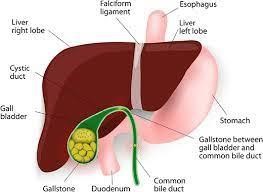
A nurse is preparing to administer PRN pain medication to a client who has cholelithiasis and is experiencing moderate abdominal pain. Which of the following medications should the nurse plan to administer?
A. Acetaminophen
Acetaminophen is a safer choice for pain relief in clients with cholelithiasis because it does not have significant effects on the gallbladder or biliary system. It can provide effective pain relief without exacerbating the underlying condition.
B. Omeprazole
Omeprazole Omeprazole should not administer because it is a proton pump inhibitor (PPI) used to reduce stomach acid production and treat conditions such as gastroesophageal reflux disease (GERD) and peptic ulcers. It is not indicated for the treatment of pain and discomfort associated with cholelithiasis.
C. Metoclopramide
Should not be administered Metoclopramide Metoclopramide should not be administered because it is a medication used to treat gastrointestinal issues such as nausea, vomiting, and gastroparesis. It is not indicated for the treatment of pain associated with cholelithiasis.
D. Ketorolac
Ketorolac Ketorolac should not be administered because it is an NSAID used for moderate to severe pain. However, it should be avoided in clients with cholelithiasis due to its potential adverse effects on the gallbladder and biliary system.
Full Explanation
Choice A reason:
Acetaminophen is a safer choice for pain relief in clients with cholelithiasis because it does not have significant effects on the gallbladder or biliary system. It can provide effective pain relief without exacerbating the underlying condition.
Choice B reason:
Omeprazole Omeprazole should not administer because it is a proton pump inhibitor (PPI) used to reduce stomach acid production and treat conditions such as gastroesophageal reflux disease (GERD) and peptic ulcers. It is not indicated for the treatment of pain and discomfort associated with cholelithiasis.
Choice C reason
Should not be administered
Metoclopramide Metoclopramide should not be administered because it is a medication used to treat gastrointestinal issues such as nausea, vomiting, and gastroparesis. It is not indicated for the treatment of pain associated with cholelithiasis.
Choice D reason:
Ketorolac Ketorolac should not be administered because it is an NSAID used for moderate to severe pain. However, it should be avoided in clients with cholelithiasis due to its potential adverse effects on the gallbladder and biliary system.