Nursing practice questions with comprehensive rationales
NurseDive Free Nursing Practice Question
A nurse is caring for a client who begins to make sexual advances towards him. Which of the following is an appropriate statement by the nurse?
A. "I'm sure that you don't intend to behave this way, so I'm going to ignore this behavior."
"I'm sure that you don't intend to behave this way, so I'm going to ignore this behavior" is not an appropriate response. Ignoring the behavior can potentially enable or encourage further inappropriate advances, and it does not address the issue directly.
B. "I'm curious as to why you are behaving this way. Can you please explain it to me?"
"I'm curious as to why you are behaving this way. Can you please explain it to me?" places the responsibility on the client to explain their behavior, which is not appropriate or necessary in this situation. It may also encourage further discussion of the inappropriate behavior.
C. "I'm very flattered, but I am married and cannot engage in this behavior."
"I'm very flattered, but I am married and cannot engage in this behavior" personalizes the situation and may give the wrong impression that the nurse's marital status is the reason for rejecting the advances. It is important to maintain professional boundaries and not involve personal factors in the response.
D. "I am going to leave now and I'll return in one hour to spend time with you then."
The appropriate response by the nurse in this situation is to set clear boundaries and remove themselves from the situation. By stating, "I'm going to leave now and I'll return in one hour to spend time with you then," the nurse establishes that the inappropriate behavior is not acceptable and that they will return later to continue providing care within professional boundaries.
This question is an excerpt from Nurse Dive's nursing test bank - LPN ATI Mental Health Proctored Exam. Take the full exam now
Full Explanation
The appropriate response by the nurse in this situation is to set clear boundaries and remove themselves from the situation. By stating, "I'm going to leave now and I'll return in one hour to spend time with you then," the nurse establishes that the inappropriate behavior is not acceptable and that they will return later to continue providing care within professional boundaries.
A- "I'm sure that you don't intend to behave this way, so I'm going to ignore this behavior" is not an appropriate response. Ignoring the behavior can potentially enable or encourage further inappropriate advances, and it does not address the issue directly.
B- "I'm curious as to why you are behaving this way. Can you please explain it to me?" places the responsibility on the client to explain their behavior, which is not appropriate or necessary in this situation. It may also encourage further discussion of the inappropriate behavior.
C- "I'm very flattered, but I am married and cannot engage in this behavior" personalizes the situation and may give the wrong impression that the nurse's marital status is the reason for rejecting the advances. It is important to maintain professional boundaries and not involve personal factors in the response.
Similar Questions
A nurse is caring for an older adult client who has dementia and is agitated. The client says, "I have to go home and see my mother." The nurse replies, "You miss your mother." Which of the following therapeutic techniques is the nurse using?
A. Orientation to reality
Orientation to reality involves providing factual information and attempting to reorient individuals with dementia to the present time, place, and situation.
B. Remotivation
Remotivation is a technique used to stimulate memories and engage individuals with dementia in meaningful activities.
C. Validation
Validation is a technique used to acknowledge and validate the emotions and experiences of individuals with dementia, even if their thoughts or perceptions do not align with reality. In this scenario, the nurse responds by saying, "You miss your mother," which shows understanding and empathy toward the client's emotions. The nurse is validating the client's feelings rather than attempting to correct or redirect their thoughts.
D. Guided imagery
Guided imagery involves using vivid language and descriptive prompts to guide individuals into imagining pleasant or calming scenes.
Full Explanation
Validation is a technique used to acknowledge and validate the emotions and experiences of individuals with dementia, even if their thoughts or perceptions do not align with reality. In this scenario, the nurse responds by saying, "You miss your mother," which shows understanding and empathy toward the client's emotions. The nurse is validating the client's feelings rather than attempting to correct or redirect their thoughts.
A. Orientation to reality involves providing factual information and attempting to reorient individuals with dementia to the present time, place, and situation.
B. Remotivation is a technique used to stimulate memories and engage individuals with dementia in meaningful activities.
D. Guided imagery involves using vivid language and descriptive prompts to guide individuals into imagining pleasant or calming scenes.
The nurse is caring for a client who has been admitted Involuntarily for psychiatric treatment. Which of the following Information about involuntary commitment should the nurse provide the client's family?
A. "A psychiatrist determines that the client's behavior is irrational.
A psychiatrist determines that the client's behavior is irrational." This statement is incorrect because irrational behavior alone is not sufficient grounds for involuntary commitment.Involuntary commitment is typically based on the assessment that the individual's behavior poses a risk of harm to themselves or others, rather than solely on the basis of irrational behavior.
B. "The client is unable to manage the affairs necessary for daily life."
"The client is unable to manage the affairs necessary for daily life." While the inability to manage daily affairs may be a factor considered in the overall assessment of a client's condition, it is not the sole criterion for involuntary commitment. Involuntary commitment is primarily focused on the risk of harm posed by the individual's behavior, rather than their ability to manage daily life tasks.
C. "The client's behavior is a threat to self or others.
Involuntary commitment refers to the legal process by which an individual is admitted to a psychiatric facility for treatment against their will. The decision to involuntarily commit someone is typically based on the assessment that their behavior poses a risk of harm to themselves or others. Therefore, it is important for the nurse to inform the client's family that the reason for the involuntary commitment is the client's behavior being a threat to their own safety or the safety of others.
D. "The client has been accused of breaking the law."
"The client has been accused of breaking the law." Accusations of breaking the law are not the basis for involuntary commitment. Involuntary commitment is based on the assessment that the individual's behavior presents a risk of harm to themselves or others. Legal issues are addressed separately through the legal system and are not directly related to the criteria for involuntary commitment.
Full Explanation
Involuntary commitment refers to the legal process by which an individual is admitted to a psychiatric facility for treatment against their will. The decision to involuntarily commit someone is typically based on the assessment that their behavior poses a risk of harm to themselves or others. Therefore, it is important for the nurse to inform the client's family that the reason for the involuntary commitment is the client's behavior being a threat to their own safety or the safety of others.
A."A psychiatrist determines that the client's behavior is irrational." This statement is incorrect because irrational behavior alone is not sufficient grounds for involuntary commitment.
Involuntary commitment is typically based on the assessment that the individual's behavior poses a risk of harm to themselves or others, rather than solely on the basis of irrational behavior.
B. "The client is unable to manage the affairs necessary for daily life." While the inability to manage daily affairs may be a factor considered in the overall assessment of a client's condition, it is not the sole criterion for involuntary commitment. Involuntary commitment is primarily focused on the risk of harm posed by the individual's behavior, rather than their ability to manage daily life tasks.
D. "The client has been accused of breaking the law." Accusations of breaking the law are not the basis for involuntary commitment. Involuntary commitment is based on the assessment that the individual's behavior presents a risk of harm to themselves or others. Legal issues are addressed separately through the legal system and are not directly related to the criteria for involuntary commitment.
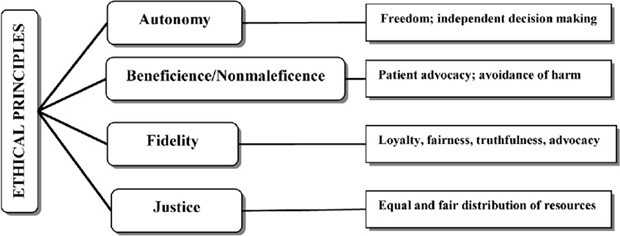
A nurse on an inpatient mental health unit is caring for a group of clients. Which of the following actions by the nurse demonstrates the ethical concept of autonomy?
A. Spending extra time to calm an agitated client
Spending extra time to calm an agitated client demonstrates the ethical principle of beneficence, which is the duty to promote the well-being and welfare of the client.
B. Ensuring that a client understands expectations for group participation
Ensuring that a client understands expectations for group participation relates to the ethical principle of fidelity, which involves maintaining trust and keeping promises to the client.
C. Describing the adverse effects of a client's medications
Describing the adverse effects of a client's medications is important for informed consent and promoting understanding, but it does not directly involve the client's autonomy unless it is accompanied by a discussion of the client's choices and preferences regarding medication.
D. Importing a client's wishes to refuse prescribed treatments
Autonomy is the ethical principle that upholds an individual's right to make decisions about their own care and treatment. Respecting autonomy means acknowledging and honoring a person's right to make choices based on their own values, beliefs, and preferences. By importing a client's wishes to refuse prescribed treatments, the nurse is recognizing and respecting the client's autonomy. This shows that the nurse values the client's right to make decisions about their own healthcare and supports their choice, even if it may differ from what the nurse may recommend. Incorrect:
Full Explanation
Autonomy is the ethical principle that upholds an individual's right to make decisions about their own care and treatment. Respecting autonomy means acknowledging and honoring a person's right to make choices based on their own values, beliefs, and preferences. By importing a client's wishes to refuse prescribed treatments, the nurse is recognizing and respecting the client's autonomy. This shows that the nurse values the client's right to make decisions about their own healthcare and supports their choice, even if it may differ from what the nurse may recommend.
Incorrect:
A. Spending extra time to calm an agitated client demonstrates the ethical principle of beneficence, which is the duty to promote the well-being and welfare of the client.
B. Ensuring that a client understands expectations for group participation relates to the ethical principle of fidelity, which involves maintaining trust and keeping promises to the client.
C. Describing the adverse effects of a client's medications is important for informed consent and promoting understanding, but it does not directly involve the client's autonomy unless it is accompanied by a discussion of the client's choices and preferences regarding medication.