
Nursing practice questions with comprehensive rationales
NurseDive Free Nursing Practice Question
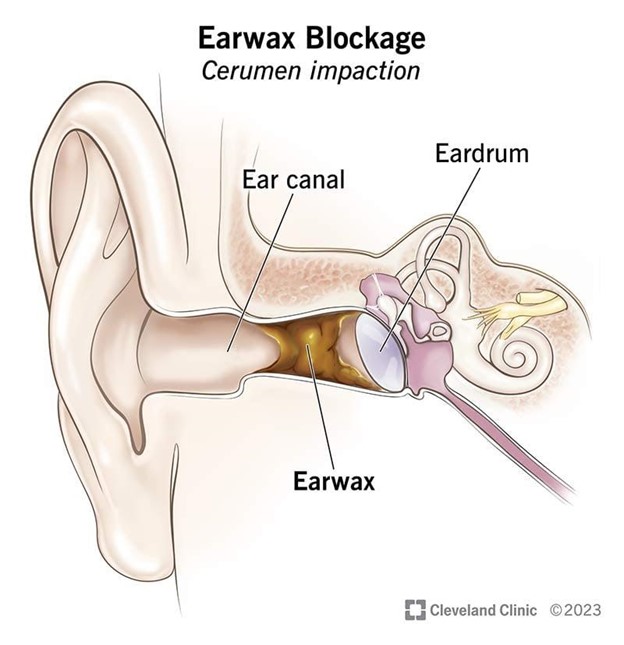
A nurse is caring for a client who complains that he feels as though his ear is blocked and tells the nurse that he has a history of cerumen impaction in the external ear. The nurse, inspecting the ears for cerumen impaction, checks for which finding?
A. The presence of edema in the external auditory canal
Reason: The presence of edema in the external auditory canal is not a sign of cerumen impaction, but it may indicate other conditions such as otitis externa or allergic reaction.
B. A yellowish or brownish waxy material in the external auditory canal
Reason: A yellowish or brownish waxy material in the external auditory canal is a sign of cerumen impaction, as it shows that there is excess or hardened earwax that blocks the ear canal.
C. Redness and swelling of the tympanic membrane
Reason: Redness and swelling of the tympanic membrane are not signs of cerumen impaction, but they may indicate other conditions such as otitis media or trauma.
D. An external auditory canal that is longer than normal
Reason: An external auditory canal that is longer than normal is not a sign of cerumen impaction, but it may be a normal variation or a result of aging.
This question is an excerpt from Nurse Dive's nursing test bank - ATI Med Surg Proctored Exam 3. Take the full exam now
Full Explanation
Choice A Reason: The presence of edema in the external auditory canal is not a sign of cerumen impaction, but it may indicate other conditions such as otitis externa or allergic reaction.
Choice B Reason: A yellowish or brownish waxy material in the external auditory canal is a sign of cerumen impaction, as it shows that there is excess or hardened earwax that blocks the ear canal.
Choice C Reason: Redness and swelling of the tympanic membrane are not signs of cerumen impaction, but they may indicate other conditions such as otitis media or trauma.
Choice D Reason: An external auditory canal that is longer than normal is not a sign of cerumen impaction, but it may be a normal variation or a result of aging.
Similar Questions
A nurse is assisting with the care of a client who is 1 day postoperative following a thyroidectomy and reports severe muscle spasms of the lower extremities. Which of the following actions should the nurse take?
A. Determine the client's calcium level.
Reason: Determining the client's calcium level is the appropriate action for the nurse to take, as it may indicate hypocalcemia, which is a possible complication of thyroidectomy due to accidental removal or damage of the parathyroid glands. Hypocalcemia can cause muscle spasms, tingling, numbness, or tetany.
B. Monitor the client's peripheral pulses.
Reason: Monitoring the client's peripheral pulses is not the appropriate action for the nurse to take, as it does not address the cause of muscle spasms or provide any relief.
C. Administer IV normal saline solution.
Reason: Administering IV normal saline solution is not the appropriate action for the nurse to take, as it does not correct hypocalcemia or prevent further complications.
D. Give the client an oral potassium supplement.
Reason: Giving the client an oral potassium supplement is not the appropriate action for the nurse to take, as it may worsen hypocalcemia or cause hyperkalemia, which can affect cardiac function and muscle contraction.
Full Explanation
Choice A Reason: Determining the client's calcium level is the appropriate action for the nurse to take, as it may indicate hypocalcemia, which is a possible complication of thyroidectomy due to accidental removal or damage of the parathyroid glands. Hypocalcemia can cause muscle spasms, tingling, numbness, or tetany.
Choice B Reason: Monitoring the client's peripheral pulses is not the appropriate action for the nurse to take, as it does not address the cause of muscle spasms or provide any relief.
Choice C Reason: Administering IV normal saline solution is not the appropriate action for the nurse to take, as it does not correct hypocalcemia or prevent further complications.
Choice D Reason: Giving the client an oral potassium supplement is not the appropriate action for the nurse to take, as it may worsen hypocalcemia or cause hyperkalemia, which can affect cardiac function and muscle contraction.
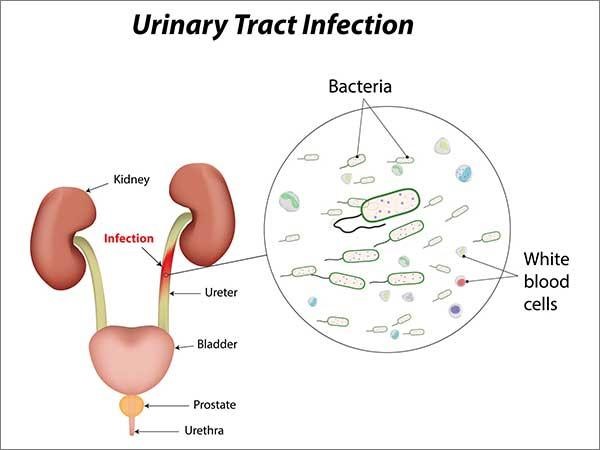
A nurse is reinforcing teaching with a client who has frequent urinary tract infections (UTIs). The nurse should identify that the client can use which of the following herbal supplements to help prevent UTIs?
A. Black cohosh
hoice A Reason: Black cohosh is not an herbal supplement that can help prevent UTIs, but it may be used for menopausal symptoms such as hot flashes, night sweats, or mood swings.
B. Cranberry juice
Reason: Cranberry juice is an herbal supplement that can help prevent UTIs, as it may inhibit bacterial adhesion to the urinary tract and lower urine pH.
C. Saw palmetto
Reason: Saw palmetto is not an herbal supplement that can help prevent UTIs, but it may be used for benign prostatic hyperplasia (BPH) symptoms such as urinary frequency, urgency, or hesitancy.
D. Echinacea
Reason: Echinacea is not an herbal supplement that can help prevent UTIs, but it may be used for immune system support or wound healing.
Full Explanation
Choice A Reason: Black cohosh is not an herbal supplement that can help prevent UTIs, but it may be used for menopausal symptoms such as hot flashes, night sweats, or mood swings.
Choice B Reason: Cranberry juice is an herbal supplement that can help prevent UTIs, as it may inhibit bacterial adhesion to the urinary tract and lower urine pH.
Choice C Reason: Saw palmetto is not an herbal supplement that can help prevent UTIs, but it may be used for benign prostatic hyperplasia (BPH) symptoms such as urinary frequency, urgency, or hesitancy.
Choice D Reason: Echinacea is not an herbal supplement that can help prevent UTIs, but it may be used for immune system support or wound healing.
A nurse is caring for a client who is 12 hours postoperative following a transurethral resection of the prostate (TURP) and has a 3-way urinary catheter with continuous irrigation. The nurse notes there have not been any urinary output in the last hour. Which of the following actions should the nurse perform first?
A. Administer antispasmodic medications.
Reason: Administering antispasmodic medications is not the first action that the nurse should perform, as it may not resolve the problem of urinary output or irrigation flow.
B. Notify the provider.
Reason: Notifying the provider is not the first action that the nurse should perform, as it may delay the intervention and worsen the outcome.
C. Offer oral fluids.
Reason: Offering oral fluids is not the first action that the nurse should perform, as it may increase fluid overload or bladder pressure.
D. Determine the patency of the tubing.
Reason: Determining the patency of the tubing is the first action that the nurse should perform, as it may identify and correct any obstruction or kinking that prevents urinary output or irrigation flow.
Full Explanation
Choice A Reason: Administering antispasmodic medications is not the first action that the nurse should perform, as it may not resolve the problem of urinary output or irrigation flow.
Choice B Reason: Notifying the provider is not the first action that the nurse should perform, as it may delay the intervention and worsen the outcome.
Choice C Reason: Offering oral fluids is not the first action that the nurse should perform, as it may increase fluid overload or bladder pressure.
Choice D Reason: Determining the patency of the tubing is the first action that the nurse should perform, as it may identify and correct any obstruction or kinking that prevents urinary output or irrigation flow.