
Nursing practice questions with comprehensive rationales
NurseDive Free Nursing Practice Question
A nurse is caring for a client who follows a vegan diet. The nurse should identify that the client is at risk for which of the following deficiencies?
A. Vitamin C
B. Vitamin D
C. Magnesium
D. Folic acid
This question is an excerpt from Nurse Dive's nursing test bank - ATI RN Nutrition 2019 Proctored Exam. Take the full exam now
Full Explanation
The nurse should identify that the client who follows a vegan diet is at risk for deficiencies in Vitamin D, Vitamin B12, and potentially Calcium.
1. Vitamin D: Vitamin D is primarily obtained from sunlight exposure and is also found in animal-based foods such as fatty fish, liver, and egg yolks. Since a vegan diet excludes animal products, it can be challenging to obtain sufficient Vitamin D. Vegans should consider fortified foods (e.g., plant-based milk, breakfast cereals) and may require Vitamin D supplements.
2. Vitamin B12: Vitamin B12 is naturally found only in animal products, such as meat, fish, dairy, and eggs. Vegans are at a high risk of Vitamin B12 deficiency because
plant-based foods do not provide adequate amounts. Vegans should consider taking Vitamin B12 supplements or consuming foods fortified with Vitamin B12, such as certain plant-based milk, meat substitutes, and breakfast cereals.
3. Calcium: Calcium is essential for bone health. While it is possible to obtain calcium from plant-based sources such as fortified plant milk, tofu, leafy green vegetables, and fortified juices, vegan diets may be lower in calcium compared to diets that include dairy products. Vegans should pay attention to their calcium intake and consider supplements if needed.
Regarding the options listed in the question, Vitamin C, Magnesium, and Folic Acid deficiencies are not directly associated with a vegan diet. These nutrients can be adequately obtained from a well-planned vegan diet that includes a variety of fruits, vegetables, whole grains, legumes, nuts, and seeds.
Similar Questions
A nurse is providing nutritional education to a client who is obese. The nurse should include in the information that which of the following gastrointestinal disorders is commonly associated with obesity?
A. Gastroesophageal reflux disease
GERD is a chronic condition in which stomach acid and contents flow back into the esophagus, leading to symptoms such as heartburn, regurgitation, and chest pain. Obesity is a significant risk factor for developing GERD. The excess weight can put pressure on the stomach, causing the contents to reflux into the esophagus more easily. Additionally, obesity is associated with a higher prevalence of hiatal hernia, which can further contribute to the development of GERD.
B. Crohn's disease
Crohn's disease, Peptic ulcer disease, and Celiac disease are not commonly associated with obesity: Crohn's disease is a type of inflammatory bowel disease that can affect any part of the gastrointestinal tract. It is not specifically associated with obesity but rather has complex genetic and environmental factors as its causes.
C. Peptic ulcer disease
Peptic ulcer disease refers to the presence of open sores in the lining of the stomach or small intestine. While obesity may be a risk factor for gastric ulcers, the association is not as strong as with GERD.
D. Celiac disease
Celiac disease is an autoimmune disorder triggered by the ingestion of gluten, a protein found in wheat, barley, and rye. It is not directly related to obesity but is associated with a specific immune response to gluten in genetically susceptible individuals.
Full Explanation
GERD is a chronic condition in which stomach acid and contents flow back into the esophagus, leading to symptoms such as heartburn, regurgitation, and chest pain. Obesity is a significant risk factor for developing GERD. The excess weight can put pressure on the stomach, causing the contents to reflux into the esophagus more easily. Additionally, obesity is associated with a higher prevalence of hiatal hernia, which can further contribute to the development of GERD
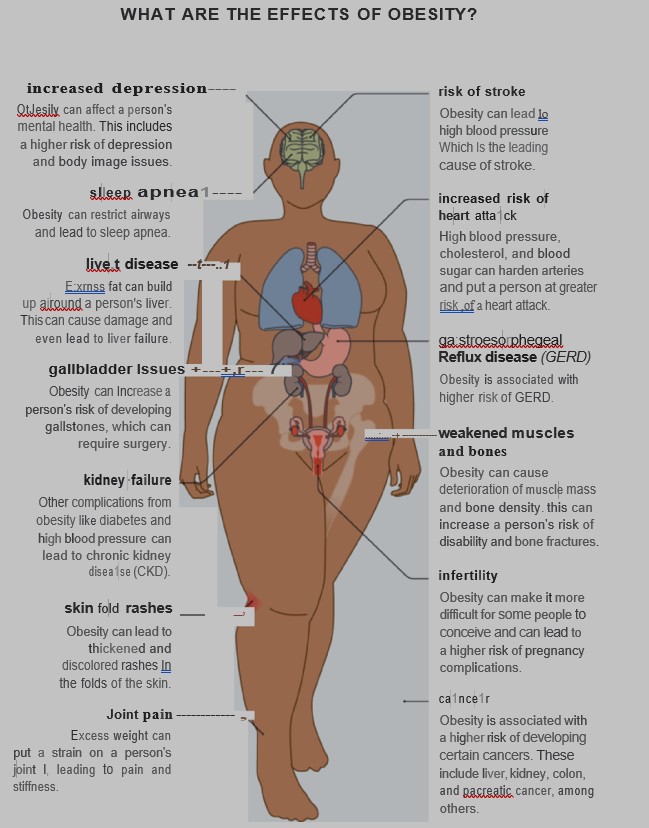
Crohn's disease, Peptic ulcer disease, and Celiac disease are not commonly associated with obesity:
Crohn's disease is a type of inflammatory bowel disease that can affect any part of the gastrointestinal tract. It is not specifically associated with obesity but rather has complex genetic and environmental factors as its causes.
Peptic ulcer disease refers to the presence of open sores in the lining of the stomach or small intestine. While obesity may be a risk factor for gastric ulcers, the association is not as strong as with GERD.
Celiac disease is an autoimmune disorder triggered by the ingestion of gluten, a protein found in wheat, barley, and rye. It is not directly related to obesity but is associated with a specific immune response to gluten in genetically susceptible individuals.
A nurse is reviewing the medication administration record for a client who is 2 days postoperative following abdominal surgery. The nurse should recognize which of the following medications places the client at risk for wound dehiscence?
A. Omeprazole
Omeprazole is a proton pump inhibitor used to reduce stomach acid production and prevent gastric ulcers but does not directly affect wound healing or increase the risk of wound dehiscence.
B. Zolmitriptan
Zolmitriptan is a medication used for the acute treatment of migraines and does not directly affect wound healing or increase the risk of wound dehiscence.
C. Prednisone
Prednisone is a corticosteroid medication that is commonly prescribed for various conditions due to its anti-inflammatory and immunosuppressive effects. However, corticosteroids can impair wound healing by reducing the body's inflammatory response, delaying collagen synthesis, and weakening the tensile strength of the wound. This increases the risk of wound dehiscence, which is the separation or opening of surgical incisions.
D. Verapamil
Verapamil is a calcium channel blocker used to treat high blood pressure and certain heart conditions. It does not directly affect wound healing or increase the risk of wound dehiscence.
Full Explanation
Prednisone is a corticosteroid medication that is commonly prescribed for various conditions due to its anti-inflammatory and immunosuppressive effects. However, corticosteroids can impair wound healing by reducing the body's inflammatory response, delaying collagen synthesis, and weakening the tensile strength of the wound. This increases the risk of wound dehiscence, which is the separation or opening of surgical incisions.
Omeprazole is a proton pump inhibitor used to reduce stomach acid production and prevent gastric ulcers but does not directly affect wound healing or increase the risk of wound dehiscence.
Zolmitriptan is a medication used for the acute treatment of migraines and does not directly affect wound healing or increase the risk of wound dehiscence.
Verapamil is a calcium channel blocker used to treat high blood pressure and certain heart conditions. It does not directly affect wound healing or increase the risk of wound dehiscence.
A nurse is providing teaching to a client who has a prescription for a low-saturated fat diet. Which of the following statements by the client indicates an understanding of the teaching?
A. "I can choose an avocado dip instead of salsa."
Avocado is a healthy source of unsaturated fats, which are beneficial for cardiovascular health. Choosing an avocado dip instead of salsa, which is typically low in fat, aligns with the goal of reducing saturated fat intake.
B. "I can eat the skin on poultry if it is broiled."
Eating the skin on poultry, even if it is broiled, is not recommended for a low-saturated fat diet. Poultry skin contains significant amounts of saturated fat, so it is advisable to remove the skin before consumption to reduce saturated fat intake.
C. "I will include 7 ounces of fish in my diet weekly."
Including 7 ounces of fish in the diet weekly is not specific to a low-saturated fat diet. While fish is a healthy protein source, the recommendation to consume 7 ounces of fish per week is related to the intake of omega-3 fatty acids, which have cardiovascular benefits. However, the specific type of fish and preparation methods should be considered to ensure a low-saturated fat content.
D. "I will use margarine on my waffles."
Using margarine on waffles is not advisable for a low-saturated fat diet. Most margarines contain trans fats or hydrogenated oils, which are unhealthy and contribute to an increase in saturated fat intake. It is better to choose healthier alternatives such as spreads made from nuts, seeds, or avocado, or to use a small amount of healthier oils like olive oil or canola oil.
Full Explanation
Avocado is a healthy source of unsaturated fats, which are beneficial for cardiovascular health. Choosing an avocado dip instead of salsa, which is typically low in fat, aligns with the goal of reducing saturated fat intake.
The other statements are incorrect:
Eating the skin on poultry, even if it is broiled, is not recommended for a low-saturated fat diet. Poultry skin contains significant amounts of saturated fat, so it is advisable to remove the skin before consumption to reduce saturated fat intake.
Including 7 ounces of fish in the diet weekly is not specific to a low-saturated fat diet. While fish is a healthy protein source, the recommendation to consume 7 ounces of fish per week is related to the intake of omega-3 fatty acids, which have cardiovascular benefits. However, the specific type of fish and preparation methods should be considered to ensure a low-saturated fat content.
Using margarine on waffles is not advisable for a low-saturated fat diet. Most margarines contain trans fats or hydrogenated oils, which are unhealthy and contribute to an increase in saturated fat intake. It is better to choose healthier alternatives such as spreads made from nuts, seeds, or avocado, or to use a small amount of healthier oils like olive oil or canola oil.