Nursing practice questions with comprehensive rationales
NurseDive Free Nursing Practice Question
A nurse is providing teaching to a client who has a prescription for a low-saturated fat diet. Which of the following statements by the client indicates an understanding of the teaching?
A. "I can choose an avocado dip instead of salsa."
Avocado is a healthy source of unsaturated fats, which are beneficial for cardiovascular health. Choosing an avocado dip instead of salsa, which is typically low in fat, aligns with the goal of reducing saturated fat intake.
B. "I can eat the skin on poultry if it is broiled."
Eating the skin on poultry, even if it is broiled, is not recommended for a low-saturated fat diet. Poultry skin contains significant amounts of saturated fat, so it is advisable to remove the skin before consumption to reduce saturated fat intake.
C. "I will include 7 ounces of fish in my diet weekly."
Including 7 ounces of fish in the diet weekly is not specific to a low-saturated fat diet. While fish is a healthy protein source, the recommendation to consume 7 ounces of fish per week is related to the intake of omega-3 fatty acids, which have cardiovascular benefits. However, the specific type of fish and preparation methods should be considered to ensure a low-saturated fat content.
D. "I will use margarine on my waffles."
Using margarine on waffles is not advisable for a low-saturated fat diet. Most margarines contain trans fats or hydrogenated oils, which are unhealthy and contribute to an increase in saturated fat intake. It is better to choose healthier alternatives such as spreads made from nuts, seeds, or avocado, or to use a small amount of healthier oils like olive oil or canola oil.
This question is an excerpt from Nurse Dive's nursing test bank - ATI RN Nutrition 2019 Proctored Exam. Take the full exam now
Full Explanation
Avocado is a healthy source of unsaturated fats, which are beneficial for cardiovascular health. Choosing an avocado dip instead of salsa, which is typically low in fat, aligns with the goal of reducing saturated fat intake.
The other statements are incorrect:
Eating the skin on poultry, even if it is broiled, is not recommended for a low-saturated fat diet. Poultry skin contains significant amounts of saturated fat, so it is advisable to remove the skin before consumption to reduce saturated fat intake.
Including 7 ounces of fish in the diet weekly is not specific to a low-saturated fat diet. While fish is a healthy protein source, the recommendation to consume 7 ounces of fish per week is related to the intake of omega-3 fatty acids, which have cardiovascular benefits. However, the specific type of fish and preparation methods should be considered to ensure a low-saturated fat content.
Using margarine on waffles is not advisable for a low-saturated fat diet. Most margarines contain trans fats or hydrogenated oils, which are unhealthy and contribute to an increase in saturated fat intake. It is better to choose healthier alternatives such as spreads made from nuts, seeds, or avocado, or to use a small amount of healthier oils like olive oil or canola oil.
Similar Questions
A nurse is assessing an older adult client who has dysphagia and is experiencing dehydration. Which of the following findings should the nurse expect?
A. Tachycardia
The expected finding in an older adult client with dysphagia and dehydration is tachycardia. Tachycardia, an increased heart rate, is a common finding in dehydration as the body tries to compensate for the decreased fluid volume. The other choices (hypertension, distended neck veins, and decreased respiratory rate) are not typically associated with dehydration in this context.
B. Hypertension
Hypertension: Dehydration usually leads to a decrease in blood volume, resulting in low blood pressure rather than hypertension. Hypertension is not a typical finding in dehydration.
C. Distended neck veins
Distended neck veins: Dehydration causes a decrease in blood volume, which results in decreased venous return to the heart. Consequently, distended neck veins would not be an expected finding.
D. Decreased respiratory rate
Decreased respiratory rate: Dehydration itself does not directly affect respiratory rate. However, severe dehydration can lead to electrolyte imbalances, such as hyponatremia (low sodium levels), which can affect brain function and potentially lead to changes in respiratory rate. However, decreased respiratory rate is not a common finding in dehydration alone.
Full Explanation
The expected finding in an older adult client with dysphagia and dehydration is tachycardia. Tachycardia, an increased heart rate, is a common finding in dehydration as the body tries to compensate for the decreased fluid volume.
The other choices (hypertension, distended neck veins, and decreased respiratory rate) are not typically associated with dehydration in this context.
here's an explanation of why these choices are incorrect:
1. Hypertension: Dehydration usually leads to a decrease in blood volume, resulting in low blood pressure rather than hypertension. Hypertension is not a typical finding in dehydration.
2. Distended neck veins: Dehydration causes a decrease in blood volume, which results in decreased venous return to the heart. Consequently, distended neck veins would not be an expected finding.
3. Decreased respiratory rate: Dehydration itself does not directly affect respiratory rate. However, severe dehydration can lead to electrolyte imbalances, such as hyponatremia (low sodium levels), which can affect brain function and potentially lead to changes in respiratory rate. However, decreased respiratory rate is not a common finding in dehydration alone.
It's important to remember that dehydration can have various signs and symptoms, including dry mucous membranes, decreased urine output, increased thirst, dry skin, dizziness, and confusion.
A nurse is providing discharge teaching to the mother of a newborn about breastfeeding. Which of the following statements by the client indicates an understanding of the teaching?
A. "I will dilute juice with 50 percent water to supplement between feedings."
"I will dilute juice with 50 percent water to supplement between feedings": This statement is incorrect. Breast milk or formula should be the sole source of nutrition for a newborn. Diluting juice with water is not recommended for newborns, as it does not provide the necessary nutrients and may fill the baby's stomach without providing adequate nutrition.
B. "I should use pumped breast milk within 72 hours of refrigeration."
"I should use pumped breast milk within 72 hours of refrigeration": This statement is incorrect. Pumped breast milk can typically be stored in the refrigerator for up to 4-5 days, not just 72 hours. It is important for the mother to follow proper storage guidelines to ensure the safety and freshness of the breast milk.
C. "I will begin and end with the same breast when I feed my baby."
"I will begin and end with the same breast when I feed my baby": This statement is incorrect. The breastfeeding technique known as "switch nursing" is often recommended, especially for newborns. Switch nursing involves offering both breasts during a feeding session to ensure the baby receives hindmilk, which is richer in fat and provides essential nutrients for growth.
D. "I should feed my baby on demand at least eight times each day."
"I should feed my baby on demand at least eight times each day": This statement is correct. Breastfed newborns should be fed on demand, following their cues of hunger. Newborns typically need to breastfeed at least eight times per day to ensure they receive enough nutrition and to establish and maintain a healthy milk supply for the mother.
Full Explanation
"I should feed my baby on demand at least eight times each day": This statement is correct. Breastfed newborns should be fed on demand, following their cues of hunger. Newborns typically need to breastfeed at least eight times per day to ensure they receive enough nutrition and to establish and maintain a healthy milk supply for the mother.
"I will dilute juice with 50 percent water to supplement between feedings": This statement is incorrect. Breast milk or formula should be the sole source of nutrition for a newborn. Diluting juice with water is not recommended for newborns, as it does not provide the necessary nutrients and may fill the baby's stomach without providing adequate nutrition.
"I should use pumped breast milk within 72 hours of refrigeration": This statement is incorrect. Pumped breast milk can typically be stored in the refrigerator for up to 4-5 days, not just 72 hours. It is important for the mother to follow proper storage guidelines to ensure the safety and freshness of the breast milk.
"I will begin and end with the same breast when I feed my baby": This statement is incorrect. The breastfeeding technique known as "switch nursing" is often recommended, especially for newborns. Switch nursing involves offering both breasts during a feeding session to ensure the baby receives hindmilk, which is richer in fat and provides essential nutrients for growth.
A nurse is assisting in the selection of food for a client who has hypokalemia. Which of the following foods should the nurse select that contains the greatest amount of potassium?
A. One small baked potato
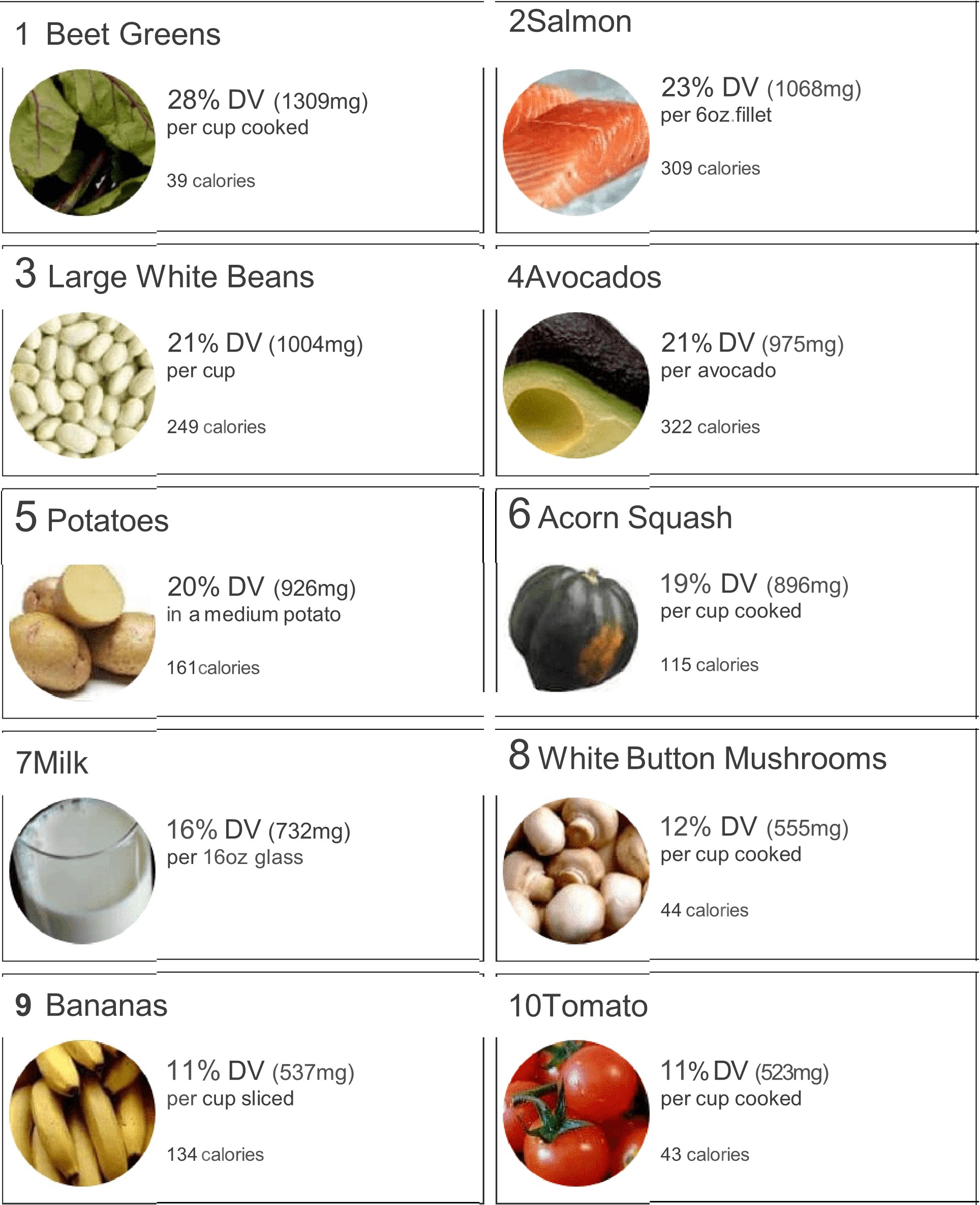
According to some sources, the food that contains the greatest amount of potassium among the four options is one small baked potato, with about 925 mg of potassium per serving1. The other foods have much lower amounts of potassium: 1 oz of cheddar cheese has about 28 mg, 1 cup of brown rice has about 84 mg, and one medium raw tomato has about 290 mg.
B. 1 oz of cheddar cheese
C. 1 cup of brown rice
D. One medium raw tomato
Full Explanation
According to some sources, the food that contains the greatest amount of potassium among the four options is one small baked potato, with about 925 mg of potassium per serving1.
The other foods have much lower amounts of potassium: 1 oz of cheddar cheese has about 28 mg, 1 cup of brown rice has about 84 mg, and one medium raw tomato has about 290 mg.