Nursing practice questions with comprehensive rationales
NurseDive Free Nursing Practice Question
A nurse is caring for a client who had total hip arthroplasty 1 day ago and is receiving morphine sulfate by PCA pump for pain control. The client reports nausea and vomiting. Which of the following actions is the priority for the nurse to take?
A. Provide an antiemetic.
Provide an antiemetic.While providing an antiemetic can help alleviate the client's nausea and vomiting, it is not the priority action. Assessment should come first to determine the underlying cause.
B. Make the client NPO.
Making the client NPO might be necessary if there is concern about bowel obstruction or other gastrointestinal issues, but this decision should be based on an initial assessment, such as auscultating bowel sounds.
C. Administer a stimulant laxative.
Administer a stimulant laxative.Administering a stimulant laxative is not appropriate at this stage without first assessing bowel sounds. It could potentially worsen the situation if there is a bowel obstruction.
D. Auscultate bowel sounds.
Auscultate bowel sounds.The priority in this situation is to assess for possible complications such as bowel obstruction or paralytic ileus, which can occur postoperatively and can be exacerbated by opioid use. Auscultating bowel sounds helps determine the presence of normal, hypoactive, or absent bowel sounds, guiding further management.
This question is an excerpt from Nurse Dive's nursing test bank - Ati Custom Pn Basic Care And Comfort Assessment Proctored Exam. Take the full exam now
Full Explanation
A. Provide an antiemetic.
While providing an antiemetic can help alleviate the client's nausea and vomiting, it is not the priority action. Assessment should come first to determine the underlying cause.
B. Make the client NPO.
Making the client NPO might be necessary if there is concern about bowel obstruction or other gastrointestinal issues, but this decision should be based on an initial assessment, such as auscultating bowel sounds.
C. Administer a stimulant laxative.
Administering a stimulant laxative is not appropriate at this stage without first assessing bowel sounds. It could potentially worsen the situation if there is a bowel obstruction.
D. Auscultate bowel sounds.
The priority in this situation is to assess for possible complications such as bowel obstruction or paralytic ileus, which can occur postoperatively and can be exacerbated by opioid use. Auscultating bowel sounds helps determine the presence of normal, hypoactive, or absent bowel sounds, guiding further management.
Similar Questions
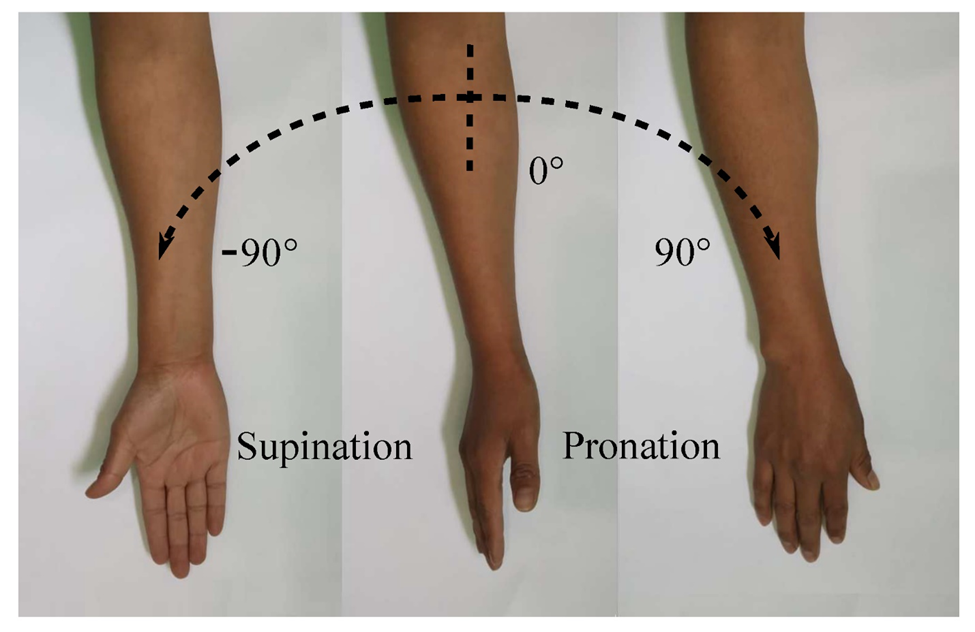
A nurse is collecting data about a client’s range of motion. Which of the following instructions should the nurse give to the client to observe the elbow rotate for supination?
A. “Turn each of your hands and forearms so your palm is facing down.”
“Turn each of your hands and forearms so your palm is facing down.”This describes pronation, not supination. In pronation, the palm faces down, and the radius crosses over the ulna.
B. “Take each of your hands and touch your shoulders.”
“Take each of your hands and touch your shoulders.”This describes flexion at the elbow joint, not supination. Flexion involves decreasing the angle between body parts.
C. “Turn each of your hands and forearms so your palm is facing up.”
“Turn each of your hands and forearms so your palm is facing up.” This is the correct choice. Supination involves turning the hands and forearms so that the palms face up, and the radius and ulna are parallel.
D. “Move each of your arms to rest at your sides.”
“Move each of your arms to rest at your sides.”This describes adduction, bringing the arms back to the sides of the body, not supination.
Full Explanation
A. “Turn each of your hands and forearms so your palm is facing down.”
This describes pronation, not supination. In pronation, the palm faces down, and the radius crosses over the ulna.
B. “Take each of your hands and touch your shoulders.”
This describes flexion at the elbow joint, not supination. Flexion involves decreasing the angle between body parts.
C. “Turn each of your hands and forearms so your palm is facing up.”
This is the correct choice. Supination involves turning the hands and forearms so that the palms face up, and the radius and ulna are parallel.
D. “Move each of your arms to rest at your sides.”
This describes adduction, bringing the arms back to the sides of the body, not supination.
A nurse is reinforcing teaching for a client who has COPD. Which of the following statements by the client indicates a need for further teaching?
A. I will rest for at least 30 minutes before eating.
"I will rest for at least 30 minutes before eating."This statement is appropriate. Resting before meals can help conserve energy and reduce dyspnea (shortness of breath) during eating for individuals with COPD.
B. I will drink plenty of beverages with my meals.
"I will drink plenty of beverages with my meals."This statement indicates a need for further teaching. Excessive fluid intake during meals can contribute to feelings of fullness and increase the risk of bloating, making it more difficult for the client with COPD to breathe comfortably.
C. I will eat five or six small meals each day?
"I will eat five or six small meals each day." This statement is appropriate. Eating smaller, more frequent meals can help prevent overdistension of the stomach and reduce the feeling of fullness, making it easier for the client to breathe.
D. I will increase my intake of protein.
"I will increase my intake of protein."This statement is appropriate. Adequate protein intake is important for individuals with COPD to support respiratory muscle function and overall nutritional status.
Full Explanation
A. "I will rest for at least 30 minutes before eating."
This statement is appropriate. Resting before meals can help conserve energy and reduce dyspnea (shortness of breath) during eating for individuals with COPD.
B. "I will drink plenty of beverages with my meals."
This statement indicates a need for further teaching. Excessive fluid intake during meals can contribute to feelings of fullness and increase the risk of bloating, making it more difficult for the client with COPD to breathe comfortably.
C. "I will eat five or six small meals each day."
This statement is appropriate. Eating smaller, more frequent meals can help prevent overdistension of the stomach and reduce the feeling of fullness, making it easier for the client to breathe.
D. "I will increase my intake of protein."
This statement is appropriate. Adequate protein intake is important for individuals with COPD to support respiratory muscle function and overall nutritional status.
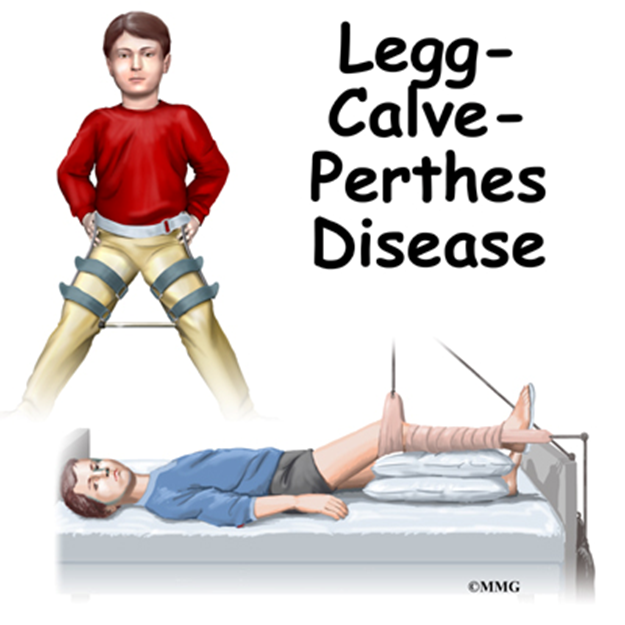
A nurse is caring for a child who has Legg-Calve-Perthes disease and is in Buck’s traction. Which of the following actions should the nurse take?
A. Ensure the rope knots are away from the pulleys.
Ensure the rope knots are away from the pulleys.While ensuring that rope knots are away from the pulleys is a general principle in traction care to maintain proper functioning, it is not directly related to the specific positioning of the child's feet in Buck's traction.
B. Ensure the child’s feet are against the footboard.
Ensure the child’s feet are against the footboard.This statement is correct. Ensuring that the child's feet are against the footboard helps maintain proper hip alignment and prevent complications such as contractures. It is an important aspect of care when managing Legg-Calve-Perthes disease in Buck's traction.
C. Apply antibiotic ointment to the pin sites daily.
Apply antibiotic ointment to the pin sites daily. This action is not applicable to Buck's traction. Buck's traction involves the use of a boot or splint, and it does not include pins or pin sites. The use of antibiotic ointment for pin sites is more relevant in the context of skeletal traction.
D. Reduce the child’s fluid intake.
Reduce the child’s fluid intake.There is no indication to reduce the child's fluid intake specifically in the context of Buck's traction. Adequate hydration is generally important for overall health, and fluid restriction is not a standard practice for managing Legg-Calve-Perthes disease in Buck's traction.
Full Explanation
A. Ensure the rope knots are away from the pulleys.
While ensuring that rope knots are away from the pulleys is a general principle in traction care to maintain proper functioning, it is not directly related to the specific positioning of the child's feet in Buck's traction.
B. Ensure the child’s feet are against the footboard.
This statement is correct. Ensuring that the child's feet are against the footboard helps maintain proper hip alignment and prevent complications such as contractures. It is an important aspect of care when managing Legg-Calve-Perthes disease in Buck's traction.
C. Apply antibiotic ointment to the pin sites daily.
This action is not applicable to Buck's traction. Buck's traction involves the use of a boot or splint, and it does not include pins or pin sites. The use of antibiotic ointment for pin sites is more relevant in the context of skeletal traction.
D. Reduce the child’s fluid intake.
There is no indication to reduce the child's fluid intake specifically in the context of Buck's traction. Adequate hydration is generally important for overall health, and fluid restriction is not a standard practice for managing Legg-Calve-Perthes disease in Buck's traction.