
Nursing practice questions with comprehensive rationales
NurseDive Free Nursing Practice Question
A nurse is caring for a client who has a body mass index (BMI) of 18. The nurse should place the client in which of the following BMI categories?
A. Healthy weight
A BMI in the range of 18.5 to 24.9 is typically considered within the "healthy weight" category.
B. Underweight
A BMI below 18.5 is categorized as "underweight," indicating a lower-than-ideal body weight for a person's height.
C. Overweight
A BMI of 25 to 29.9 falls into the "overweight" category.
D. Obese
A BMI of 30 or above is classified as "obese."
This question is an excerpt from Nurse Dive's nursing test bank - LPN ATI Fundamental Proctored Exam - Paredes. Take the full exam now
Full Explanation
A. A BMI in the range of 18.5 to 24.9 is typically considered within the "healthy weight" category.
B. A BMI below 18.5 is categorized as "underweight," indicating a lower-than-ideal body weight for a person's height.
C. A BMI of 25 to 29.9 falls into the "overweight" category.
D. A BMI of 30 or above is classified as "obese."
Similar Questions
The nurse orienting a new patient to the unit would include:
A. location of call bell and how to use it.
Orienting the patient to the location of the call bell and instructing on its use is crucial for patient safety and assistance, enabling them to call for help when needed.
B. expected cost of the room per day.
Discussing the expected cost of the room per day may be important but is typically handled by the administrative or financial services staff, not part of the nursing orientation.
C. times of the shift changes.
Shift change times are important for staff but are less pertinent to a patient's immediate needs and orientation to the unit.
D. calling the patient by their first name for less formality.
While creating a comfortable and friendly atmosphere is important, addressing the patient informally by their first name should be done only if the patient expresses a preference for it; it's not part of standard orientation.
Full Explanation
A. Orienting the patient to the location of the call bell and instructing on its use is crucial for patient safety and assistance, enabling them to call for help when needed.
B. Discussing the expected cost of the room per day may be important but is typically handled by the administrative or financial services staff, not part of the nursing orientation.
C. Shift change times are important for staff but are less pertinent to a patient's immediate needs and orientation to the unit.
D. While creating a comfortable and friendly atmosphere is important, addressing the patient informally by their first name should be done only if the patient expresses a preference for it; it's not part of standard orientation.
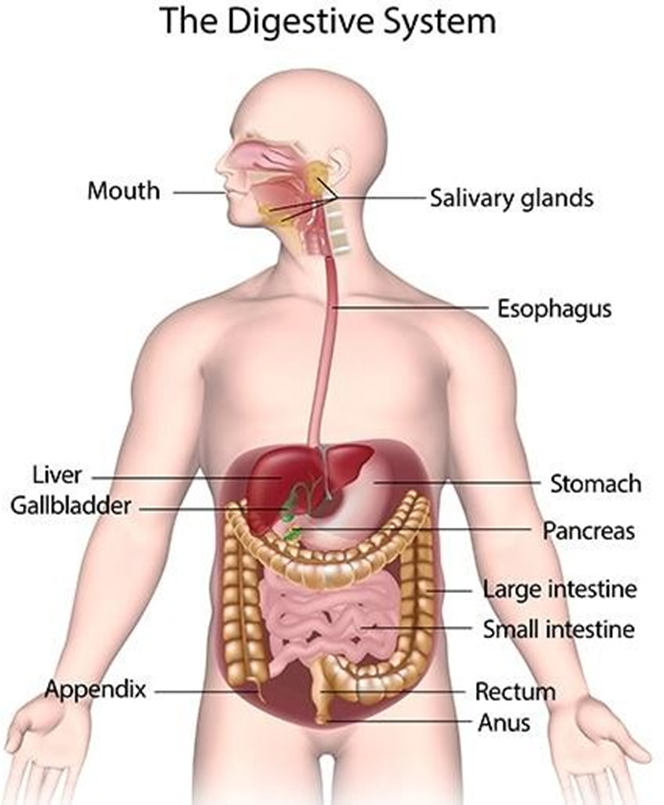
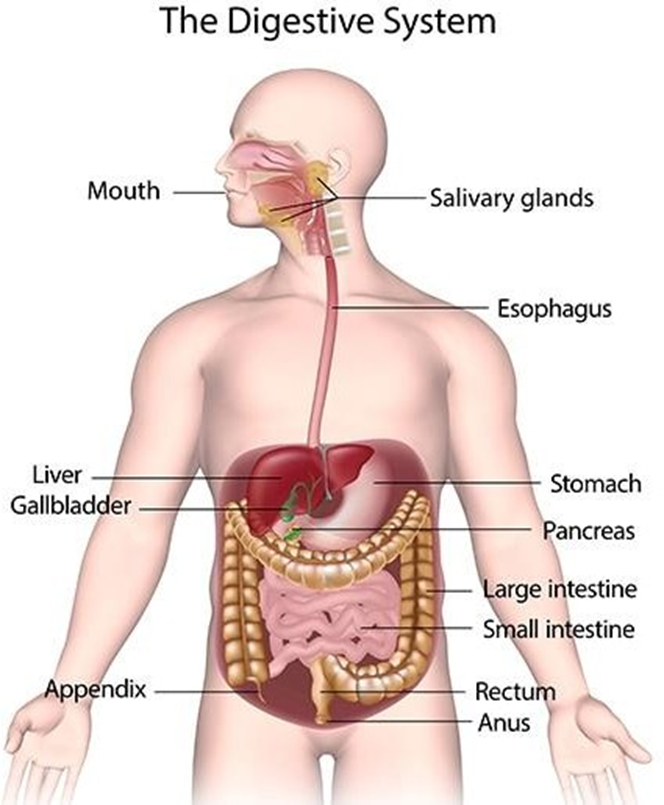
A nurse is assisting with teaching a class about the process of digestion. The nurse should include that food is transported through the gastrointestinal tract starting from which of the following locations?
A. Stomach
The stomach is where food mixes with digestive juices and begins the process of breaking down, but it's not the initial site where food enters the gastrointestinal tract.
B. Mouth
The mouth is where digestion begins as food is chewed and mixed with saliva, forming a bolus that starts the process of digestion before moving through the esophagus.
C. Rectum
The rectum is the final portion of the large intestine where waste is stored before elimination, not the starting point of digestion.
D. Small intestine
The small intestine is the primary site of nutrient absorption but is not the starting point where food enters the gastrointestinal tract.
Full Explanation
A. The stomach is where food mixes with digestive juices and begins the process of breaking down, but it's not the initial site where food enters the gastrointestinal tract.
B. The mouth is where digestion begins as food is chewed and mixed with saliva, forming a bolus that starts the process of digestion before moving through the esophagus.
C. The rectum is the final portion of the large intestine where waste is stored before elimination, not the starting point of digestion.
D. The small intestine is the primary site of nutrient absorption but is not the starting point where food enters the gastrointestinal tract.
A nurse is assisting with teaching a client who is on a soft diet. Which of the following foods should the nurse include in the teaching?
A. Raw vegetables
Raw vegetables are generally harder and might not be suitable for a soft diet due to their texture.
B. Fruit with the skin
Fruits with the skin might be challenging to chew and are not recommended for a soft diet.
C. Ground beef
Ground beef can be a suitable protein source for a soft diet as it can be cooked until it's tender and easy to chew.
D. High-fiber cereals
High-fiber cereals might not be suitable for a soft diet as they could be difficult to chew and swallow.
Full Explanation
A. Raw vegetables are generally harder and might not be suitable for a soft diet due to their texture.
B. Fruits with the skin might be challenging to chew and are not recommended for a soft diet.
C. Ground beef can be a suitable protein source for a soft diet as it can be cooked until it's tender and easy to chew.
D. High-fiber cereals might not be suitable for a soft diet as they could be difficult to chew and swallow.