Nursing practice questions with comprehensive rationales
NurseDive Free Nursing Practice Question
A nurse is caring for a client who has a mild traumatic brain injury (TBI). Which of the following manifestations should the nurse immediately report to the provider?
A. A drop in heart rate from 74 to 68/min.
reason: This is incorrect because a drop in heart rate from 74 to 68/min is not a manifestation that requires immediate reporting to the provider. A mild decrease in heart rate can be normal or due to other factors such as medication, sleep, or relaxation. It does not indicate a worsening of brain injury or increased intracranial pressure.
B. A change in the Glasgow Coma Scale score from 14 to 10.
reason: This is the correct answer because a change in the Glasgow Coma Scale score from 14 to 10 is a manifestation that requires immediate reporting to the provider. The Glasgow Coma Scale is a tool that measures the level of consciousness based on eye-opening, verbal response, and motor responses. A score of 14 indicates mild impairment, while a score of 10 indicates moderate impairment. A decrease in score can indicate deterioration of neurological status and increased intracranial pressure, which can be life-threatening.
C. Headache.
reason: This is incorrect because the headache is not a manifestation that requires immediate reporting to the provider. Headache is a common symptom of mild TBI and can be managed with analgesics, rest, and hydration. It does not indicate a worsening of brain injury or increased intracranial pressure unless it is severe, persistent, or accompanied by other signs such as vomiting, confusion, or seizures.
D. Diplopia.
reason: This is incorrect because diplopia is not a manifestation that requires immediate reporting to the provider. Diplopia means double vision and can be caused by damage to cranial nerves or eye muscles due to TBI. It can be treated with eye patches, glasses, or surgery. It does not indicate a worsening of brain injury or increased intracranial pressure unless it is associated with other symptoms such as blurred vision, loss of vision, or eye pain.
This question is an excerpt from Nurse Dive's nursing test bank - ATI Med Surg Proctored Exam 4. Take the full exam now
Full Explanation
Choice A reason: This is incorrect because a drop in heart rate from 74 to 68/min is not a manifestation that requires immediate reporting to the provider. A mild decrease in heart rate can be normal or due to other factors such as medication, sleep, or relaxation. It does not indicate a worsening of brain injury or increased intracranial pressure.
Choice B reason: This is the correct answer because a change in the Glasgow Coma Scale score from 14 to 10 is a manifestation that requires immediate reporting to the provider. The Glasgow Coma Scale is a tool that measures the level of consciousness based on eye-opening, verbal response, and motor responses. A score of 14 indicates mild impairment, while a score of 10 indicates moderate impairment. A decrease in score can indicate deterioration of neurological status and increased intracranial pressure, which can be life-threatening.
Choice C reason: This is incorrect because the headache is not a manifestation that requires immediate reporting to
the provider. Headache is a common symptom of mild TBI and can be managed with analgesics, rest, and hydration. It does not indicate a worsening of brain injury or increased intracranial pressure unless it is severe, persistent, or accompanied by other signs such as vomiting, confusion, or seizures.
Choice D reason: This is incorrect because diplopia is not a manifestation that requires immediate reporting to
the provider. Diplopia means double vision and can be caused by damage to cranial nerves or eye muscles due to TBI. It can be treated with eye patches, glasses, or surgery. It does not indicate a worsening of brain injury or increased intracranial pressure unless it is associated with other symptoms such as blurred vision, loss of vision, or eye pain.
Similar Questions
When assessing a client diagnosed with basal cell carcinoma, which of the following findings will the nurse expect?
A. A blister-like pustule on the face that oozes clear fluid
Reason: This is incorrect because a blister-like pustule on the face that oozes clear fluid may indicate impetigo, which is a bacterial skin infection, not basal cell carcinoma. Basal cell carcinoma is a type of skin cancer that arises from the basal layer of the epidermis, which is the outermost layer of the skin. Basal cell carcinoma lesions are usually not blistered or pustular, but rather smooth, shiny, or waxy.
B. A dark brown lesion that is flat
Reason: This is incorrect because a dark brown lesion that is flat may indicate a mole, which is a benign growth of melanocytes, which are cells that produce pigment, not basal cell carcinoma. Basal cell carcinoma lesions are usually not dark brown or flat, but rather flesh-colored, pink, or red, and may have a raised or indented center.
C. A small scaly, dry lesion on the elbow
Reason: This is correct because a small scaly, dry lesion on the elbow may indicate basal cell carcinoma. Basal cell carcinoma lesions are often small, scaly, and dry, and may bleed or crust over. They can occur anywhere on the body, but are more common on areas that are exposed to the sun, such as the face, neck, arms, or legs.
D. Location on the top of the head where exposed frequently to sunlight
Reason: This is incorrect because location on the top of the head where exposed frequently to sunlight may indicate squamous cell carcinoma, which is another type of skin cancer that arises from the squamous layer of the epidermis, not basal cell carcinoma. Squamous cell carcinoma lesions are usually rough, scaly, or crusted, and may have a firm or hard texture. They can also occur anywhere on the body, but are more common on areas that are exposed to the sun.
Full Explanation
Choice A Reason: This is incorrect because a blister-like pustule on the face that oozes clear fluid may indicate impetigo, which is a bacterial skin infection, not basal cell carcinoma. Basal cell carcinoma is a type of skin cancer that arises from the basal layer of the epidermis, which is the outermost layer of the skin. Basal cell carcinoma lesions are usually not blistered or pustular, but rather smooth, shiny, or waxy.
Choice B Reason: This is incorrect because a dark brown lesion that is flat may indicate a mole, which is a benign growth of melanocytes, which are cells that produce pigment, not basal cell carcinoma. Basal cell carcinoma lesions are usually not dark brown or flat, but rather flesh-colored, pink, or red, and may have a raised or indented center.
Choice C Reason: This is correct because a small scaly, dry lesion on the elbow may indicate basal cell carcinoma. Basal cell carcinoma lesions are often small, scaly, and dry, and may bleed or crust over. They can occur anywhere on the body, but are more common on areas that are exposed to the sun, such as the face, neck, arms, or legs.
Choice D Reason: This is incorrect because location on the top of the head where exposed frequently to sunlight may indicate squamous cell carcinoma, which is another type of skin cancer that arises from the squamous layer of the epidermis, not basal cell carcinoma. Squamous cell carcinoma lesions are usually rough, scaly, or crusted, and may have a firm or hard texture. They can also occur anywhere on the body, but are more common on areas that are exposed to the sun.
A nurse is developing a plan of care for a client who is rehabilitating from major burns. Which of the following interventions should the nurse include to provide emotional support?
A. Rotate nursing staff so he can have varied interactions
Reason: This is incorrect because rotating nursing staff may not provide emotional support for the client who is rehabilitating from major burns. The client may benefit from having consistent and familiar staff who can establish rapport and trust with him. The nurse should assign staff who are experienced and comfortable with burn care and who can communicate effectively and empathetically with the client.
B. Keep family members aware of his condition
Reason: This is incorrect because keeping family members aware of his condition may not provide emotional support for the client who is rehabilitating from major burns. The client may have privacy or confidentiality concerns or may not want his family members to see him in his current state. The nurse should respect the client's wishes and preferences regarding family involvement and obtain his consent before sharing any information.
C. Talk with the client during wound care
Reason: This is correct because talking with the client during wound care can provide emotional support for the client who is rehabilitating from major burns. Wound care can be painful and stressful for the client, so the nurse should use therapeutic communication skills to distract, reassure, and encourage him. The nurse should also explain the procedures and rationale for wound care and allow the client to express his feelings and concerns.
D. Assign assistive personnel to keep his room neat and clean
Reason: This is incorrect because assigning assistive personnel to keep his room neat and clean may not provide emotional support for the client who is rehabilitating from major burns. The client may appreciate a clean environment, but he may also need more direct and personal contact with the nurse. The nurse should spend time with the client and provide holistic care that addresses his physical, psychological, social, and spiritual needs.
Full Explanation
Choice A Reason: This is incorrect because rotating nursing staff may not provide emotional support for the client who is rehabilitating from major burns. The client may benefit from having consistent and familiar staff who can establish rapport and trust with him. The nurse should assign staff who are experienced and comfortable with burn care and who can communicate effectively and empathetically with the client.
Choice B Reason: This is incorrect because keeping family members aware of his condition may not provide emotional support for the client who is rehabilitating from major burns. The client may have privacy or confidentiality concerns or may not want his family members to see him in his current state. The nurse should respect the client's wishes and preferences regarding family involvement and obtain his consent before sharing any information.
Choice C Reason: This is correct because talking with the client during wound care can provide emotional support for the client who is rehabilitating from major burns. Wound care can be painful and stressful for the client, so the nurse should use therapeutic communication skills to distract, reassure, and encourage him. The nurse should also explain the procedures and rationale for wound care and allow the client to express his feelings and concerns.
Choice D Reason: This is incorrect because assigning assistive personnel to keep his room neat and clean may not provide emotional support for the client who is rehabilitating from major burns. The client may appreciate a clean environment, but he may also need more direct and personal contact with the nurse. The nurse should spend time with the client and provide holistic care that addresses his physical, psychological, social, and spiritual needs.
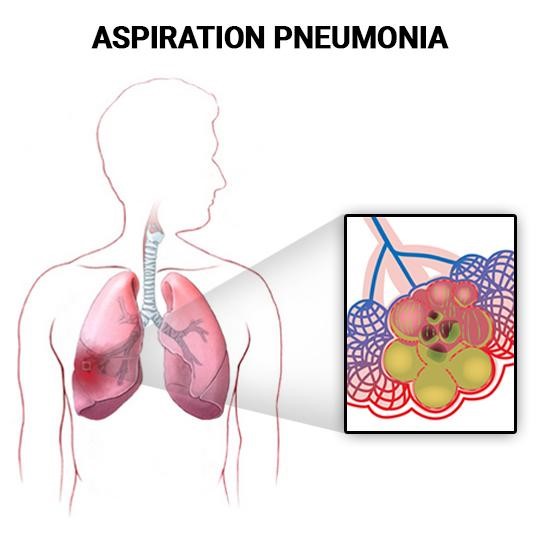
A nurse is caring for a client who has dementia. Which of the following actions should the nurse take to reduce the client's risk of aspiration pneumonia?
A. Observe the client swallowing small sips of water before assisting with feeding
Reason: This is incorrect because observing the client swallowing small sips of water before assisting with feeding may not reduce the risk of aspiration pneumonia. Water is a thin liquid that can easily enter the lungs if the client has impaired swallowing or cough reflexes. The nurse should assess the client's need for thickened liquids or pureed foods and use a swallow screening tool to determine the appropriate consistency and amount of food and fluids.
B. Turn on the television for the client during meals
Reason: This is incorrect because turning on the television for the client during meals may increase the risk of aspiration pneumonia. Television can distract the client from focusing on chewing and swallowing and cause them to eat too fast or too much. The nurse should provide a quiet and calm environment for the client during meals and encourage them to eat slowly and carefully.
C. Instruct the client to tilt their head back while swallowing
Reason: This is incorrect because instructing the client to tilt their head back while swallowing may increase the risk of aspiration pneumonia. Tilting the head back can open the airway and allow food or fluids to enter the lungs. The nurse should instruct the client to tilt their head forward or tuck their chin while swallowing, which can close the airway and prevent aspiration.
D. Sit the client upright 90 degrees then assist the client with feeding
Reason: This is correct because sitting the client upright 90 degrees then assisting the client with feeding can reduce the risk of aspiration pneumonia. Sitting upright can help gravity move food and fluids down the esophagus and away from the lungs. The nurse should also keep the client upright for at least 30 minutes after eating and drinking to prevent regurgitation and aspiration.
Full Explanation
Choice A Reason: This is incorrect because observing the client swallowing small sips of water before assisting with feeding may not reduce the risk of aspiration pneumonia. Water is a thin liquid that can easily enter the lungs if the client has impaired swallowing or cough reflexes. The nurse should assess the client's need for thickened liquids or pureed foods and use a swallow screening tool to determine the appropriate consistency and amount of food and fluids.
Choice B Reason: This is incorrect because turning on the television for the client during meals may increase the risk of aspiration pneumonia. Television can distract the client from focusing on chewing and swallowing and cause them to eat too fast or too much. The nurse should provide a quiet and calm environment for the client during meals and encourage them to eat slowly and carefully.
Choice C Reason: This is incorrect because instructing the client to tilt their head back while swallowing may increase the risk of aspiration pneumonia. Tilting the head back can open the airway and allow food or fluids to enter the lungs. The nurse should instruct the client to tilt their head forward or tuck their chin while swallowing, which can close the airway and prevent aspiration.
Choice D Reason: This is correct because sitting the client upright 90 degrees then assisting the client with feeding can reduce the risk of aspiration pneumonia. Sitting upright can help gravity move food and fluids down the esophagus and away from the lungs. The nurse should also keep the client upright for at least 30 minutes after eating and drinking to prevent regurgitation and aspiration.