
Nursing practice questions with comprehensive rationales
NurseDive Free Nursing Practice Question
A nurse is caring for a client who has a prescription for alprazolam 0.25 mg PO every 8 hr PRN anxiety. For which of the following situations should the nurse administer the alprazolam?
A. The client pretends to be a government agent.
"The client pretends to be a government agent," is not a symptom that would be treated with alprazolam.
B. The client reports seeing bugs crawling on the walls.
"The client reports seeing bugs crawling on the walls," may indicate the presence of a hallucination or other mental health symptom, but is not related to anxiety and is not an appropriate indication for alprazolam.
C. The client describes an increase in pain after receiving meperidine.
"The client describes an increase in pain after receiving meperidine," indicates a potential adverse drug effect and is not related to anxiety or an indication for alprazolam.
D. The client reports his heart is beating out of his chest.
"The client reports his heart is beating out of his chest." this symptom is consistent with anxiety and the client's prescription is for PRN anxiety. Alprazolam is a medication used to treat anxiety disorders and symptoms of anxiety.
This question is an excerpt from Nurse Dive's nursing test bank - PNU Adult Health II Spring 2023 Proctored Exam 2. Take the full exam now
Full Explanation
"The client reports his heart is beating out of his chest." as this symptom is consistent with anxiety and the client's prescription is for PRN anxiety. Alprazolam is a medication used to treat anxiety disorders and symptoms of anxiety.
Choice A, "The client pretends to be a government agent," is not a symptom that would be treated with alprazolam.
Choice B, "The client reports seeing bugs crawling on the walls," may indicate the presence of a hallucination or other mental health symptom, but is not related to anxiety and is not an appropriate indication for alprazolam.
Choice C, "The client describes an increase in pain after receiving meperidine," indicates a potential adverse drug effect and is not related to anxiety or an indication for alprazolam.
Similar Questions
A nurse is caring for a client following major spinal surgery who is reporting pain. The client's partner tells the nurse, "I wish I could do something to make my wife feel better." Which of the following responses should the nurse make?
A. "It must be very difficult for you to see your wife in pain."
A) "It must be very difficult for you to see your wife in pain.": This response acknowledges the partner's feelings and provides emotional support. It shows empathy and validates the partner's experience, helping to build rapport and trust between the nurse and the family member.
B. "I wish there was more that I could do to relieve your wife's pain, too."
B) "I wish there was more that I could do to relieve your wife's pain, too.": While this response expresses sympathy, it might unintentionally convey a sense of helplessness or inadequacy on the part of the nurse, which could increase the partner's anxiety or frustration.
C. "I'm sure your wife will begin to feel better soon."
C) "I'm sure your wife will begin to feel better soon.": This response is intended to be reassuring, but it can come off as dismissive of the partner's current concern and may not address their immediate emotional needs. It also makes a promise that the nurse cannot guarantee.
D. "We're doing everything we can to keep your wife comfortable."
D) "We're doing everything we can to keep your wife comfortable.": This response provides factual information about the care being provided, but it does not address the partner's emotional distress. It focuses on the actions of the healthcare team rather than acknowledging the partner's feelings.
Full Explanation
Answer: A
Rationale:
A) "It must be very difficult for you to see your wife in pain.": This response acknowledges the partner's feelings and provides emotional support. It shows empathy and validates the partner's experience, helping to build rapport and trust between the nurse and the family member.
B) "I wish there was more that I could do to relieve your wife's pain, too.": While this response expresses sympathy, it might unintentionally convey a sense of helplessness or inadequacy on the part of the nurse, which could increase the partner's anxiety or frustration.
C) "I'm sure your wife will begin to feel better soon.": This response is intended to be reassuring, but it can come off as dismissive of the partner's current concern and may not address their immediate emotional needs. It also makes a promise that the nurse cannot guarantee.
D) "We're doing everything we can to keep your wife comfortable.": This response provides factual information about the care being provided, but it does not address the partner's emotional distress. It focuses on the actions of the healthcare team rather than acknowledging the partner's feelings.
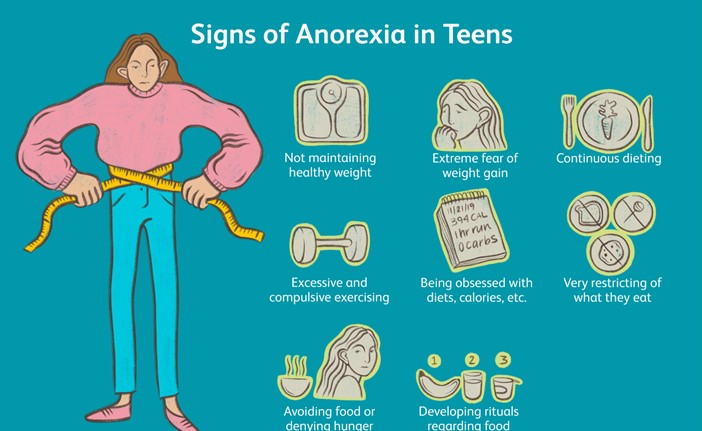
A nurse is collecting data from an adolescent client who has anorexia nervosa. Which of the following findings should the nurse expect?
A. Hyperkalemia
Hyperkalemia is a condition of high potassium levels in the blood. It is not a typical symptom of anorexia, as people with anorexia tend to have low potassium levels due to vomiting, diuretic use, or inadequate intake. Hyperkalemia can cause irregular heart rhythms, muscle weakness, and paralysis.
B. Tachycardia
Tachycardia is a condition of fast heart rate. It is not a common symptom of anorexia, as people with anorexia tend to have bradycardia, which is a slow heart rate. Bradycardia can result from starvation, dehydration, or electrolyte imbalance and can lead to cardiac arrest. Tachycardia can occur in some cases of anorexia due to dehydration, anxiety or refeeding syndrome.
C. Constipation
Constipation is a common symptom of anorexia nervosa, as it can result from severe food restriction, dehydration, electrolyte imbalance, or laxative abuse. People with anorexia may also experience abdominal pain and bloating due to constipation.
D. Metrorrhagia
Metrorrhagia is a condition of irregular or excessive bleeding between menstrual periods. It is not a usual symptom of anorexia, as people with anorexia tend to have amenorrhea, which is the absence of menstruation. Amenorrhea can occur due to low body weight, hormonal imbalance, or malnutrition and can affect bone health and fertility. Metrorrhagia can have various causes such as infection, polyps, or cancer.
Full Explanation
Constipation. Constipation is a common symptom of anorexia nervosa, as it can result from severe food restriction, dehydration, electrolyte imbalance, or laxative abuse. People with anorexia may also experience abdominal pain and bloating due to constipation.
Choice A. Hyperkalemia. Hyperkalemia is a condition of high potassium levels in the blood. It is not a typical symptom of anorexia, as people with anorexia tend to have low potassium levels due to vomiting, diuretic use, or inadequate intake.
Hyperkalemia can cause irregular heart rhythms, muscle weakness, and paralysis.
Choice B. Tachycardia. Tachycardia is a condition of fast heart rate. It is not a common symptom of anorexia, as people with anorexia tend to have bradycardia, which is a slow heart rate. Bradycardia can result from starvation, dehydration, or electrolyte imbalance and can lead to cardiac arrest. Tachycardia can occur in some cases of anorexia due to dehydration, anxiety or refeeding syndrome.
Choice D. Metrorrhagia. Metrorrhagia is a condition of irregular or excessive bleeding between menstrual periods. It is not a usual symptom of anorexia, as people with anorexia tend to have amenorrhea, which is the absence of
A nurse is contributing to the plan of care for a child who has autism spectrum disorder. Which of the following interventions should the nurse recommend for the plan of care?
A. Assure that child has a large variety of caregivers.
Assuring that the child has a large variety of caregivers, is not recommended, as children with autism spectrum disorder can be particularly sensitive to changes in routine and caregivers. Providing a flexible schedule to adjust to the child's interests
B. Establish a reward system for positive behavior.
The nurse should recommend establishing a reward system for positive behavior when contributing to the plan of care for a child with an autism spectrum disorder. Reward systems can be particularly effective for children with autism spectrum disorder, as they respond well to structured routines and consistency.
C. Provide a flexible schedule to adjust to the child's interests.
May be appropriate in some cases, but a structured routine can be even more beneficial. Allowing for imaginative play with peers without supervision.
D. Allow for imaginative play with peers without supervision.
May not be safe or effective in all situations. It is important for the nurse to work with the child, their family, and other healthcare professionals to develop an individualized plan of care that meets the child's specific needs and goals.
Full Explanation
The nurse should recommend establishing a reward system for positive behavior when contributing to the plan of care for a child with an autism spectrum disorder. Reward systems can be particularly effective for children with autism spectrum disorder, as they respond well to structured routines and consistency.
Choice A, assuring that the child has a large variety of caregivers, is not recommended, as children with autism spectrum disorder can be particularly sensitive to changes in routine and caregivers. Providing a flexible schedule to adjust to the child's interests,
choice C may be appropriate in some cases, but a structured routine can be even more beneficial. Allowing for imaginative play with peers without supervision, choice D, may not be safe or effective in all situations. It is important for the nurse to work with the child, their family, and other healthcare professionals to develop an individualized plan of care that meets the child's specific needs and goals.