
Nursing practice questions with comprehensive rationales
NurseDive Free Nursing Practice Question
A nurse is caring for a client who has a recent diagnosis of a terminal illness. The nurse should identify which of the following as an indication of hopelessness?
A. The client has a decreased energy level.
A decreased energy level can be a common symptom of many conditions, including terminal illnesses. While it can be associated with feelings of hopelessness, it is not necessarily an indication of it. Other factors like the illness itself, treatments, or emotional stress can contribute to low energy.
B. The client requests a second opinion.
Requesting a second opinion is generally a sign that the client is still actively engaged in their care and is seeking more information or alternative options. It indicates hope or a desire for different possibilities rather than hopelessness.
C. The client wants to talk about the diagnosis with the nursing staff.
Wanting to talk about the diagnosis with the nursing staff suggests that the client is processing the information and seeking support. Open communication is a positive coping mechanism and not typically an indication of hopelessness.
D. The client makes funeral arrangements.
When a client makes funeral arrangements, it can be a sign that they are feeling hopeless about their situation and are preparing for the end of their life. While it is practical and sometimes necessary to make such arrangements, in this context, it can be seen as a manifestation of hopelessness.
This question is an excerpt from Nurse Dive's nursing test bank - ATI Comprehensive Predictor 2023 Proctored Exam. Take the full exam now
Full Explanation
A. The client has a decreased energy level. A decreased energy level can be a common symptom of many conditions, including terminal illnesses. While it can be associated with feelings of hopelessness, it is not necessarily an indication of it. Other factors like the illness itself, treatments, or emotional stress can contribute to low energy.
B. The client requests a second opinion. Requesting a second opinion is generally a sign that the client is still actively engaged in their care and is seeking more information or alternative options. It indicates hope or a desire for different possibilities rather than hopelessness.
C. The client wants to talk about the diagnosis with the nursing staff. Wanting to talk about the diagnosis with the nursing staff suggests that the client is processing the information and seeking support. Open communication is a positive coping mechanism and not typically an indication of hopelessness.
D. The client makes funeral arrangements. When a client makes funeral arrangements, it can be a sign that they are feeling hopeless about their situation and are preparing for the end of their life. While it is practical and sometimes necessary to make such arrangements, in this context, it can be seen as a manifestation of hopelessness.
Similar Questions
A nurse is caring for a client who has an abdominal surgical incision and notes an evisceration. Which of the following actions should the nurse take?
A. Instruct the client to lie supine with his knees flexed.
This position reduces tension on the abdominal incision and can help minimize further protrusion of the abdominal contents. It also facilitates easier coverage of the wound and can help prevent additional injury.
B. Position the client in semi-Fowler's position.
Semi-Fowler's position is not appropriate in this scenario because it can increase intra-abdominal pressure and exacerbate the evisceration. It may also make it more difficult to manage the protruding organs and to cover the wound adequately.
C. Cover the wound with a dry sterile dressing.
Covering the wound with a dry sterile dressing is not sufficient in the case of evisceration. The exposed organs need to be kept moist to prevent tissue drying and damage. Sterile saline-soaked dressings are typically recommended in such cases.
D. Cover the wound with a transparent dressing.
A transparent dressing is not appropriate for evisceration as it does not provide the necessary moisture and protection. Transparent dressings are more suitable for minor wounds or as secondary dressings but not for exposed internal organs.
Full Explanation
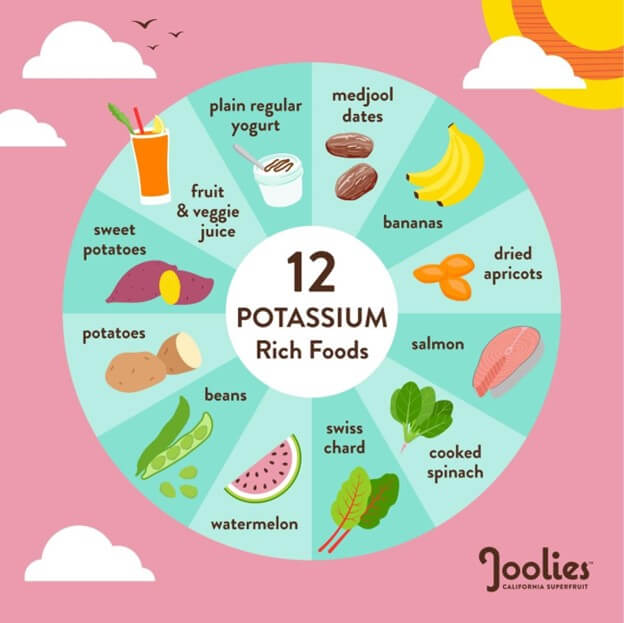
A nurse is reinforcing teaching with a client who has an electrolyte imbalance. Which of the following foods should the nurse include as the highest in potassium?
A. Sweet potato
Sweet potato is a food that is high in potassium, which is an electrolyte that regulates fluid balance, nerve impulses, and muscle contractions in the body. A medium- sized sweet potato contains about 541 mg of potassium, which is more than 10% of the recommended daily intake for adults. Baked chicken breast, wheat bread, and canned green beans are foods that are low or moderate in potassium, containing less than 300 mg per serving.
B. Baked chicken breast
C. Wheat bread
D. Canned green beans
Full Explanation
Explanation: Sweet potato is a food that is high in potassium, which is an electrolyte that regulates fluid balance, nerve impulses, and muscle contractions in the body. A medium- sized sweet potato contains about 541 mg of potassium, which is more than 10% of the recommended daily intake for adults. Baked chicken breast, wheat bread, and canned green beans are foods that are low or moderate in potassium, containing less than 300 mg per serving.
A nurse is collecting data from a client. The nurse should identify that which of the following manifestations is an indication of a candida infection?
A. Hearing loss
None
B. Night sweats
None
C. Brittle nails
None
D. Yellow patches in the mouth
Yellow patches in the mouth are an indication of oral candidiasis, also known as thrush, which is a fungal infection caused by Candida albicans. Oral candidiasis can cause symptoms such as pain, burning, redness, and difficulty swallowing in addition to yellow patches on the tongue, palate, cheeks, or throat. Hearing loss, night sweats, and brittle nails are not manifestations of candida infection.
Full Explanation
Explanation: Yellow patches in the mouth are an indication of oral candidiasis, also known as thrush, which is a fungal infection caused by Candida albicans. Oral candidiasis can cause symptoms such as pain, burning, redness, and difficulty swallowing in addition to yellow patches on the tongue, palate, cheeks, or throat. Hearing loss, night sweats, and
brittle nails are not manifestations of candida infection.