
Nursing practice questions with comprehensive rationales
NurseDive Free Nursing Practice Question
A nurse is caring for a client who has a spinal cord injury at the fourth cervical level. Which of the following mobility options should the nurse anticipate for this client?
A. Manual wheelchair
Manual wheelchair is inappropriate. A manual wheelchair requires the use of the client's upper extremities to propel the wheelchair forward by pushing on the wheels. With a spinal cord injury at the fourth cervical level, the client may have limited or no function in their upper extremities, making it difficult to self-propel a manual wheelchair.
B. Sip-and-puff device
Sip-and-puff device is appropriate. A sip-and-puff device allows individuals with limited or no hand function to control a powered wheelchair using their breath. This device enables the client to navigate the wheelchair by inhaling or exhaling into a straw-like device, which activates controls to move the wheelchair forward, backward, and turn.
C. Drive-adapted wheelchair
Drive-adapted wheelchair is inappropriate. A drive-adapted wheelchair is a powered wheelchair that can be modified with adaptive controls to accommodate individuals with limited hand function or mobility. These wheelchairs may include joystick controls, head arrays, chin controls, or other adaptive devices that allow the client to operate the wheelchair independently despite limited hand function.
D. Ultra-light wheelchairs
Ultra-light wheelchairs is inappropriate. Ultra-light wheelchairs are manual wheelchairs that are lightweight and often customized to fit the client's specific needs and preferences. While ultra-light wheelchairs may offer advantages in terms of maneuverability and ease of transportation, they still require sufficient upper extremity function to self-propel the wheelchair.
This question is an excerpt from Nurse Dive's nursing test bank - Ati Medical Surgical Proctored Exam 1. Take the full exam now
Full Explanation
Choice A Reason:
Manual wheelchair is inappropriate. A manual wheelchair requires the use of the client's upper extremities to propel the wheelchair forward by pushing on the wheels. With a spinal cord injury at the fourth cervical level, the client may have limited or no function in their upper extremities, making it difficult to self-propel a manual wheelchair.
Choice B Reason:
Sip-and-puff device is appropriate. A sip-and-puff device allows individuals with limited or no hand function to control a powered wheelchair using their breath. This device enables the client to navigate the wheelchair by inhaling or exhaling into a straw-like device, which activates controls to move the wheelchair forward, backward, and turn.
Choice C Reason:
Drive-adapted wheelchair is inappropriate. A drive-adapted wheelchair is a powered wheelchair that can be modified with adaptive controls to accommodate individuals with limited hand function or mobility. These wheelchairs may include joystick controls, head arrays, chin controls, or other adaptive devices that allow the client to operate the wheelchair independently despite limited hand function.
Choice D Reason:
Ultra-light wheelchairs is inappropriate. Ultra-light wheelchairs are manual wheelchairs that are lightweight and often customized to fit the client's specific needs and preferences. While ultra-light wheelchairs may offer advantages in terms of maneuverability and ease of transportation, they still require sufficient upper extremity function to self-propel the wheelchair.
Similar Questions
Which of the following are manifestations of obstructive sleep apnea? (Select all that apply.)
(Select All that Apply.)
A. Easily getting back to sleep after awakening
Easily getting back to sleep after awakening is incorrect. This is not typically a manifestation of obstructive sleep apnea. Instead, individuals with OSA often experience fragmented sleep due to frequent awakenings caused by apnea episodes.
B. Many episodes of apnea per night
Many episodes of apnea per night is correct. Yes, individuals with obstructive sleep apnea experience many episodes of apnea (complete cessation of breathing) or hypopnea (partial obstruction of airflow) per night. These episodes can occur multiple times throughout the night, disrupting normal sleep patterns.
C. Loud snort after breathing cessation
Loud snort after breathing cessation is correct. This is a characteristic manifestation of obstructive sleep apnea. Individuals with OSA often make choking, snorting, or gasping sounds after a period of breathing cessation as they attempt to resume breathing.
D. 10 seconds or longer of breathing cessation 10 seconds or longer of breathing cessation
10 seconds or longer of breathing cessation is correct. Yes, breathing cessation episodes in obstructive sleep apnea typically last for 10 seconds or longer. These prolonged episodes of apnea contribute to oxygen desaturation and disrupted sleep.
E. Daytime sleepiness
Daytime sleepiness is correct. Yes, daytime sleepiness is a common symptom of obstructive sleep apnea. Disrupted sleep patterns and frequent awakenings during the night can lead to excessive daytime sleepiness, fatigue, and decreased alertness.
F. Frequent, loud snoring
Frequent, loud snoring is correct. Yes, frequent, loud snoring is a hallmark symptom of obstructive sleep apnea. Snoring occurs due to the partial obstruction of airflow in the upper airway during sleep.
Full Explanation
Choice A Reason:
Easily getting back to sleep after awakening is incorrect. This is not typically a manifestation of obstructive sleep apnea. Instead, individuals with OSA often experience fragmented sleep due to frequent awakenings caused by apnea episodes.
Choice B Reason:
Many episodes of apnea per night is correct. Yes, individuals with obstructive sleep apnea experience many episodes of apnea (complete cessation of breathing) or hypopnea (partial obstruction of airflow) per night. These episodes can occur multiple times throughout the night, disrupting normal sleep patterns.
Choice C Reason:
Loud snort after breathing cessation is correct. This is a characteristic manifestation of obstructive sleep apnea. Individuals with OSA often make choking, snorting, or gasping sounds after a period of breathing cessation as they attempt to resume breathing.
Choice D Reason:
10 seconds or longer of breathing cessation is correct. Yes, breathing cessation episodes in obstructive sleep apnea typically last for 10 seconds or longer. These prolonged episodes of apnea contribute to oxygen desaturation and disrupted sleep.
Choice E Reason:
Daytime sleepiness is correct. Yes, daytime sleepiness is a common symptom of obstructive sleep apnea. Disrupted sleep patterns and frequent awakenings during the night can lead to excessive daytime sleepiness, fatigue, and decreased alertness.
Choice F Reason:
Frequent, loud snoring is correct. Yes, frequent, loud snoring is a hallmark symptom of obstructive sleep apnea. Snoring occurs due to the partial obstruction of airflow in the upper airway during sleep.
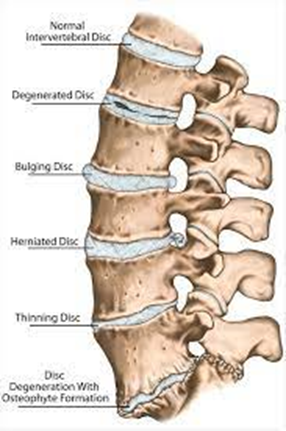
A nurse is caring for a client who has degenerative disc disease and has been diagnosed with cauda equine syndrome. Which of the following would be an expected finding with this condition?
A. Paralytic lleus
Paralytic ileus is incorrect. Paralytic ileus is a condition characterized by obstruction of the intestines due to paralysis of the intestinal muscles, resulting in symptoms such as abdominal pain, bloating, and constipation. Paralytic ileus is not typically associated with cauda equina syndrome, which primarily affects the nerves in the lower back and lower extremities.
B. Blood pressure 80/48 mm Hg
Blood pressure 80/48 mm Hg is incorrect. While cauda equina syndrome can cause neurological symptoms such as lower extremity weakness, numbness, and bowel or bladder dysfunction, it is not typically associated with alterations in blood pressure. Blood pressure changes may occur in response to pain or other systemic factors, but they are not specific to cauda equina syndrome.
C. Weakness in one or both legs
Weakness in one or both legs is correct. Yes, weakness in one or both legs is a characteristic finding of cauda equina syndrome. Compression of the nerve roots in the lower spinal cord can lead to motor deficits, including weakness, difficulty walking, and loss of reflexes in the lower extremities.
D. Potassium 3.2 mEq/L
Potassium 3.2 mEq/L is incorrect. Serum potassium levels are not typically associated with cauda equina syndrome. Abnormal potassium levels may be indicative of electrolyte imbalances, which can occur in various medical conditions but are not specific to cauda equina syndrome.
Full Explanation
Choice A Reason:
Paralytic ileus is incorrect. Paralytic ileus is a condition characterized by obstruction of the intestines due to paralysis of the intestinal muscles, resulting in symptoms such as abdominal pain, bloating, and constipation. Paralytic ileus is not typically associated with cauda equina syndrome, which primarily affects the nerves in the lower back and lower extremities.
Choice B Reason:
Blood pressure 80/48 mm Hg is incorrect. While cauda equina syndrome can cause neurological symptoms such as lower extremity weakness, numbness, and bowel or bladder dysfunction, it is not typically associated with alterations in blood pressure. Blood pressure changes may occur in response to pain or other systemic factors, but they are not specific to cauda equina syndrome.
Choice C Reason:
Weakness in one or both legs is correct. Yes, weakness in one or both legs is a characteristic finding of cauda equina syndrome. Compression of the nerve roots in the lower spinal cord can lead to motor deficits, including weakness, difficulty walking, and loss of reflexes in the lower extremities.
Choice D Reason:
Potassium 3.2 mEq/L is incorrect. Serum potassium levels are not typically associated with cauda equina syndrome. Abnormal potassium levels may be indicative of electrolyte imbalances, which can occur in various medical conditions but are not specific to cauda equina syndrome.
A nurse is teaching a client who has a spinal cord injury about sexual stimulation. Which of the following statements by the nurse should be included in the teaching?
A. "You must experiment with your body to find out what stimulation is enjoyable after your injury."
"You must experiment with your body to find out what stimulation is enjoyable after your injury." This statement encourages the client to explore their body and discover what types of sexual stimulation are enjoyable and pleasurable for them post-injury. It promotes self-discovery and empowerment in sexual expression, which can be important for sexual satisfaction and intimacy.
B. "You will not be able to have an intimate relationship with anyone after a spinal cord injury."
"You will not be able to have an intimate relationship with anyone after a spinal cord injury." This statement is incorrect and defeatist. It can create unnecessary feelings of hopelessness and despair in the client. Individuals with spinal cord injuries can still have intimate relationships and engage in sexual activity with partners, albeit with potential adjustments or accommodations.
C. "You should not feel undesirable after your injury. You are still nice-looking."
"You should not feel undesirable after your injury. You are still nice-looking. “While it's important to address body image concerns and reassure the client about their physical appearance, this statement may not directly address sexual stimulation or intimacy. However, it can help promote self-confidence and positive self-esteem, which are important aspects of sexuality and relationships.
D. "Clients who have a spinal cord injury are not aroused by touch around the groin area."
"Clients who have a spinal cord injury are not aroused by touch around the groin area." This statement is inaccurate and dismissive of the individual's potential for sexual arousal and pleasure. Sensation and arousal can vary among individuals with spinal cord injuries, and touch around the groin area may still be arousing for some individuals, depending on the level and extent of injury.
Full Explanation
Choice A Reason:
"You must experiment with your body to find out what stimulation is enjoyable after your injury." This statement encourages the client to explore their body and discover what types of sexual stimulation are enjoyable and pleasurable for them post-injury. It promotes self-discovery and empowerment in sexual expression, which can be important for sexual satisfaction and intimacy.
Choice B Reason:
"You will not be able to have an intimate relationship with anyone after a spinal cord injury." This statement is incorrect and defeatist. It can create unnecessary feelings of hopelessness and despair in the client. Individuals with spinal cord injuries can still have intimate relationships and engage in sexual activity with partners, albeit with potential adjustments or accommodations.
Choice C Reason:
"You should not feel undesirable after your injury. You are still nice-looking. “While it's important to address body image concerns and reassure the client about their physical appearance, this statement may not directly address sexual stimulation or intimacy. However, it can help promote self-confidence and positive self-esteem, which are important aspects of sexuality and relationships.
Choice D Reason:
"Clients who have a spinal cord injury are not aroused by touch around the groin area." This statement is inaccurate and dismissive of the individual's potential for sexual arousal and pleasure. Sensation and arousal can vary among individuals with spinal cord injuries, and touch around the groin area may still be arousing for some individuals, depending on the level and extent of injury.