
Nursing practice questions with comprehensive rationales
NurseDive Free Nursing Practice Question
A nurse is caring for a client who has active pulmonary tuberculosis. Which of the following actions should the nurse take?
A. Restrict fresh flowers from the client's room
Restricting fresh flowers from the client's room is not necessary for infection control purposes. However, some clients with pulmonary tuberculosis may have hypersensitivity reactions to certain plants or flowers, so the nurse should assess the client's allergies before allowing them in the room.
B. Have visitors maintain a distance of 1.8 m (6 feet) from the client
Maintaining a distance of 1.8 m (6 feet) from the client is not sufficient to prevent transmission of tuberculosis. Visitors should also wear a HEPA respirator and limit their contact time with the client.
C. Wear a surgical mask when providing client care
A surgical mask is not adequate to protect the nurse from inhaling airborne droplet nuclei that contain Mycobacterium tuberculosis. The nurse should wear a high-efficiency particulate air (HEPA) respirator when providing client care.
D. Assign the client to a private room with negative air pressure
Assigning the client to a private room with negative air pressure is the most effective way to prevent the spread of tuberculosis to other clients and staff members. The room should have at least six air exchanges per hour and an exhaust system that vents directly to the outside.
This question is an excerpt from Nurse Dive's nursing test bank - RN Comprehensive Online Practice 2019 B with NGN Proctored Exam. Take the full exam now
Full Explanation
Assign the client to a private room with negative air pressure.
Rationale:
- A. Incorrect. Restricting fresh flowers from the client's room is not necessary for infection control purposes. However, some clients with pulmonary tuberculosis may have hypersensitivity reactions to certain plants or flowers, so the nurse should assess the client's allergies before allowing them in the room.
- B. Incorrect. Maintaining a distance of 1.8 m (6 feet) from the client is not sufficient to prevent transmission of tuberculosis. Visitors should also wear a HEPA respirator and limit their contact time with the client.
- C. Incorrect. A surgical mask is not adequate to protect the nurse from inhaling airborne droplet nuclei that contain Mycobacterium tuberculosis. The nurse should wear a high-efficiency particulate air (HEPA) respirator when providing client care.
- D. Correct. Assigning the client to a private room with negative air pressure is the most effective way to prevent the spread of tuberculosis to other clients and staff members. The room should have at least six air exchanges per hour and an exhaust system that vents directly to the outside.
Similar Questions
A nurse is caring for a client who has a prescription for a continuous passive motion (CPM) machine following a total knee arthroplasty. Which of the following actions should the nurse take?
A. Turn off the CPM machine during mealtime.
The nurse should turn off the CPM machine during mealtime, as it can interfere with the client's ability to eat and drink comfortably. The nurse should also turn off the CPM machine when transferring or repositioning the client, or when performing wound care or other interventions on the affected leg.
B. Maintain the client's affected hip in an externally rotated position.
The nurse should maintain the client's affected hip in a neutral position, as external rotation can cause malalignment of the prosthesis and impair healing. The nurse should use pillows or wedges to support the leg and prevent rotation or abduction of the hip joint.
C. Instruct the client how to adjust the CPM settings for comfort.
The nurse should not instruct the client how to adjust the CPM settings, as this can compromise the prescribed range of motion and speed of the device. The nurse should follow the provider's orders and check with them before making any changes to the CPM settings. The nurse should also monitor the client's pain level and administer analgesics as needed to facilitate compliance with the therapy.
D. Store the CPM machine under the client's bed when not in use.
The nurse should not store the CPM machine under the client's bed when not in use, as this can pose a safety hazard and damage the equipment. The nurse should place the CPM machine on a stable surface near the bed and ensure that it is plugged into a grounded outlet and has adequate battery backup in case of power failure.
Full Explanation
- A. Correct. The nurse should turn off the CPM machine during mealtime, as it can interfere with the client's ability to eat and drink comfortably. The nurse should also turn off the CPM machine when transferring or repositioning the client, or when performing wound care or other interventions on the affected leg.
- B. Incorrect. The nurse should maintain the client's affected hip in a neutral position, as external rotation can cause malalignment of the prosthesis and impair healing. The nurse should use pillows or wedges to support the leg and prevent rotation or abduction of the hip joint.
- C. Incorrect. The nurse should not instruct the client how to adjust the CPM settings, as this can compromise the prescribed range of motion and speed of the device. The nurse should follow the provider's orders and check with them before making any changes to the CPM settings. The nurse should also monitor the client's pain level and administer analgesics as needed to facilitate compliance with the therapy.
- D. Incorrect. The nurse should not store the CPM machine under the client's bed when not in use, as this can pose a safety hazard and damage the equipment. The nurse should place the CPM machine on a stable surface near the bed and ensure that it is plugged into a grounded outlet and has adequate battery backup in case of power failure.
A nurse is developing a client education program about osteoporosis for older adult clients.
The nurse should include which of the following variables as a risk factor for osteoporosis?
A. Obesity
Obesity is not a risk factor for osteoporosis. In fact, obesity may have a protective effect on bone density due to increased mechanical loading and higher levels of estrogen in adipose tissue.
B. Acromegaly
Acromegaly is not a risk factor for osteoporosis. Acromegaly is a condition caused by excess growth hormone, which leads to increased bone formation and remodeling.
C. Estrogen replacement therapy
Estrogen replacement therapy is not a risk factor for osteoporosis. Estrogen replacement therapy can help prevent bone loss and reduce the risk of fractures in postmenopausal women with low estrogen levels.
D. Sedentary lifestyle
Sedentary lifestyle is a risk factor for osteoporosis. Sedentary lifestyle reduces physical activity and muscle strength, which decreases bone stimulation and increases bone resorption.
Full Explanation
- A. Obesity is not a risk factor for osteoporosis. In fact, obesity may have a protective effect on bone density due to increased mechanical loading and higher levels of estrogen in adipose tissue.
- B. Acromegaly is not a risk factor for osteoporosis. Acromegaly is a condition caused by excess growth hormone, which leads to increased bone formation and remodeling.
- C. Estrogen replacement therapy is not a risk factor for osteoporosis. Estrogen replacement therapy can help prevent bone loss and reduce the risk of fractures in postmenopausal women with low estrogen levels.
- D. Sedentary lifestyle is a risk factor for osteoporosis. Sedentary lifestyle reduces physical activity and muscle strength, which decreases bone stimulation and increases bone resorption.
A nurse is assessing a newborn following a vaginal delivery. Which of the following findings should the nurse report to the provider?
A. Heart rate 136/min
Heart rate 136/min is a normal finding for a newborn. The normal range of heart rate for a newborn is 100 to 160/min.
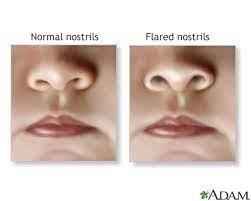
B. Nasal flaring
Nasal flaring is an abnormal finding for a newborn. Nasal flaring indicates respiratory distress and may be caused by conditions such as pneumonia, meconium aspiration, or congenital heart defects.
C. Transient strabismus
Transient strabismus is a normal finding for a newborn. Transient strabismus is a temporary misalignment of the eyes that occurs due to weak eye muscles and poor coordination. It usually resolves by 3 to 6 months of age.
D. Overlapping of sutures
Overlapping of sutures is a normal finding for a newborn. Overlapping of sutures is caused by molding of the skull during delivery and allows the head to fit through the birth canal. It usually resolves within a few days after birth.
Full Explanation
- A. Heart rate 136/min is a normal finding for a newborn. The normal range of heart rate for a newborn is 100 to 160/min.
- B. Nasal flaring is an abnormal finding for a newborn. Nasal flaring indicates respiratory distress and may be caused by conditions such as pneumonia, meconium aspiration, or congenital heart defects.
- C. Transient strabismus is a normal finding for a newborn. Transient strabismus is a temporary misalignment of the eyes that occurs due to weak eye muscles and poor coordination. It usually resolves by 3 to 6 months of age.
- D. Overlapping of sutures is a normal finding for a newborn. Overlapping of sutures is caused by molding of the skull during delivery and allows the head to fit through the birth canal. It usually resolves within a few days after birth.