
Nursing practice questions with comprehensive rationales
NurseDive Free Nursing Practice Question
A nurse is caring for a client who has an alcohol use disorder and is experiencing withdrawal. Which of the following interventions is the nurse's priority?
A. Identify the use of defense mechanisms.
Identifying the use of defense mechanisms is an important aspect of treatment but can be addressed later.
B. Prevent the client from harming herself or others.
Prevent the client from harming herself or others. Withdrawal from alcohol can lead to autonomic hyperactivity and is most concerning when it involves seizures, deliriums tremens, and hallucinations which can be potentially life-threatening. Therefore, the nurse's priority when caring for a client experiencing alcohol withdrawal is to prevent harm to the client by implementing seizure precautions and monitoring the client's vital signs.
C. Support the client's coping skills.
Supporting the client's coping skills is not a priority intervention.
This question is an excerpt from Nurse Dive's nursing test bank - PNU Adult Health II Spring 2023 Proctored Exam 2. Take the full exam now
Full Explanation
Prevent the client from harming herself or others. Withdrawal from alcohol can lead to autonomic hyperactivity and is most concerning when it involves seizures, deliriums tremens, and hallucinations which can be potentially life-threatening. Therefore, the nurse's priority when caring for a client experiencing alcohol withdrawal is to prevent harm to the client by implementing seizure precautions and monitoring the client's vital signs.
Choice A, identifying the use of defense mechanisms, is an important aspect of treatment but can be addressed later.
Choice C, supporting the client's coping skills, is not a priority intervention.
Similar Questions
A nurse is discussing insomnia management techniques with a group of clients who have anxiety disorders. Which of the following techniques mentioned by a client requires further teaching?
A. "If I wake up at night, I go to another room and read for 20 minutes."
"If I wake up at night, I go to another room and read for 20 minutes" - This is a good sleep hygiene habit.
B. "I eat my evening meal at least 3 hours before I go to bed."
"I eat my evening meal at least 3 hours before I go to bed" - This is a good sleep hygiene habit
C. "I watch the television in my bedroom to help me sleep."
"I watch the television in my bedroom to help me sleep." This technique requires further teaching as watching TV before sleep is a poor sleep hygiene habit. Clients should be advised to keep TVs, mobile phones, and other electronic devices out of the bedroom, as electronic devices can be a source of stimulation and disrupt a sleep routine. Adequate sleep hygiene techniques include going to bed and waking up at the same time every day, avoiding caffeine, nicotine, and alcohol, and engaging in physical activity early in the day. Reading for a few minutes or engaging in some other relaxing activity can reduce difficulty falling back to sleep.
D. "I have stopped taking naps in the afternoon."
"I have stopped taking naps in the afternoon" - This is a good sleep hygiene habit Each of the other options helps with good sleep hygiene but C will not help.
Full Explanation
"I watch the television in my bedroom to help me sleep." This technique requires further teaching as watching TV before sleep is a poor sleep hygiene habit. Clients should be advised to keep TVs, mobile phones, and other electronic devices out of the bedroom, as electronic devices can be a source of stimulation and disrupt a sleep routine. Adequate sleep hygiene techniques include going to bed and waking up at the same time every day, avoiding caffeine, nicotine, and alcohol, and engaging in physical activity early in the day. Reading for a few minutes or engaging in some other relaxing activity can reduce difficulty falling back to sleep.
Option A: "If I wake up at night, I go to another room and read for 20 minutes" - This is a good sleep hygiene habit
Option B: "I eat my evening meal at least 3 hours before I go to bed" - This is a good sleep hygiene habit Option D: "I have stopped taking naps in the afternoon" - This is a good sleep hygiene habit Each of the other options helps with good sleep hygiene but C will not help.
A nurse is caring for a client following reported physical abuse. The client is quiet and withdrawn. Which of the following actions should the nurse take?
A. Display disapproval toward the perpetrator.
"Display disapproval toward the perpetrator" - Not appropriate for the clinical setting
B. Probe the client to offer a factual account of the abuse.
"Probe the client to offer a factual account of the abuse" May make the client withdraw more, not appropriate for the clinical setting
C. Be direct and honest when communicating with the client.
"Be direct and honest when communicating with the client." Being direct and honest with the client about the situation is essential to build trust and promote open communication. Protecting client confidentiality and privacy is crucial for client safety and well-being. If the client feels comfortable in a safe and non-threatening environment, then they are more likely to open up and discuss their situation. Displaying disapproval or probing the client can make the situation worse and result in the client withdrawing further. Inviting a family member to be present during the nursing history is not appropriate given the sensitive and personal nature of the discussion.
D. Invite a family member to be present for the nursing history.
"Invite a family member to be present for the nursing history" - Not appropriate for the sensitive nature of the discussion Each of the other options is not appropriate given the sensitive nature of the conversation.
Full Explanation
"Be direct and honest when communicating with the client." Being direct and honest with the client about the situation is essential to build trust and promote open communication. Protecting client confidentiality and privacy is crucial for client safety and well-being. If the client feels comfortable in a safe and non-threatening environment, then they are more likely to open up and discuss their situation. Displaying disapproval or probing the client can make the situation worse and result in the client withdrawing further. Inviting a family member to be present during the nursing history is not appropriate given the sensitive and personal nature of the discussion.
Option A: "Display disapproval toward the perpetrator" - Not appropriate for the clinical setting
Option B: "Probe the client to offer a factual account of the abuse" May make the client withdraw more, not appropriate for the clinical setting
Option D: "Invite a family member to be present for the nursing history" - Not appropriate for the sensitive nature of the discussion Each of the other options is not appropriate given the sensitive nature of the conversation.
A nurse in an urgent care clinic is caring for a client who is using loud and rapid speech and continuously repeats, "I don't know why my wife left me." Which of the following levels of anxiety is the client experiencing?
A. Moderate
According to the Mayo Clinic moderate anxiety is characterized by symptoms such as loud and rapid speech, difficulty concentrating, restlessness, and increased worry. The client's behavior matches these symptoms, indicating that they are experiencing moderate anxiety.
B. Panic
Panic is incorrect because panic is a severe form of anxiety that involves symptoms such as chest pain, shortness of breath, trembling, and a sense of impending doom. The client does not exhibit these symptoms.
C. Severe
Severe is incorrect because severe anxiety is marked by symptoms such as irrational fear, detachment from reality, hallucinations, and loss of control¹². The client does not show these symptoms.
D. Mild
Mild is incorrect because mild anxiety is associated with symptoms such as nervousness, increased alertness, and slight discomfort¹². The client's symptoms are more intense than mild anxiety.
Full Explanation
Moderate. According to the Mayo Clinic moderate anxiety is characterized by symptoms such as loud and rapid speech, difficulty concentrating, restlessness, and increased worry. The client's behavior matches these symptoms, indicating that they are experiencing moderate anxiety.
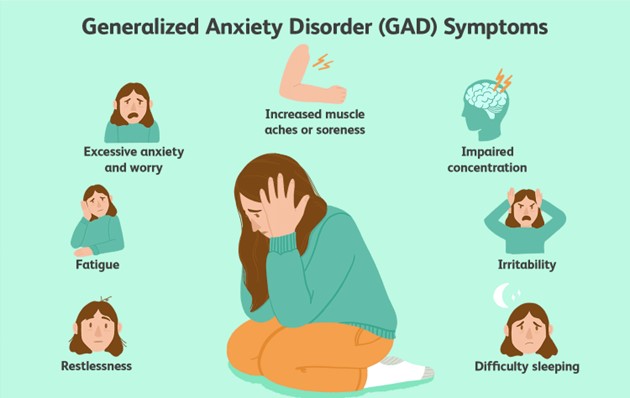
Choice B. Panic is incorrect because panic is a severe form of anxiety that involves symptoms such as chest pain, shortness of breath, trembling, and a sense of impending doom. The client does not exhibit these symptoms.
Choice C. Severe is incorrect because severe anxiety is marked by symptoms such as irrational fear, detachment from reality, hallucinations, and loss of control¹². The client does not show these symptoms.
Choice D. Mild is incorrect because mild anxiety is associated with symptoms such as nervousness, increased alertness, and slight discomfort¹². The client's symptoms are more intense than mild anxiety.