Nursing practice questions with comprehensive rationales
NurseDive Free Nursing Practice Question
A nurse is caring for a client who has been admitted to the antepartum unit
Complete the following sentence by using the list of options. Separate the two answers using a comma.
The nurse should recognize the client is experiencing
due to .This question is an excerpt from Nurse Dive's nursing test bank - ATI Comprehensive Predictor 2023 Exit Proctored Exam A. Take the full exam now
Full Explanation
The nurse should recognize the client is experiencing preterm labor due to previous preterm birth.
Preterm labor is when regular contractions begin to open the cervix before 37 weeks of pregnancy. One of the risk factors for preterm labor is having a previous preterm delivery. The client’s history indicates that her last pregnancy resulted in a preterm spontaneous vaginal birth at 30 weeks gestation. The client’s current symptoms, such as lower back pain, pinkish vaginal discharge, uterine contractions and cervical dilation, also suggest that she is in preterm labor. Therefore, the nurse should recognize that the client is experiencing preterm labor due to previous preterm birth.
BMI, blood type and blood pressure are not causes of preterm labor in this case. BMI may be associated with preterm labor if it is too high or too low, but the client’s BMI is within the normal range for pregnancy. Blood type may cause Rh incompatibility if the mother is Rh negative and the baby is Rh positive, but the client’s blood type is Rh positive. Blood pressure may cause preeclampsia if it is too high, but the client’s blood pressure is normal. Abruptio placentae is a condition where the placenta separates from the uterine wall before delivery, which can cause vaginal bleeding, abdominal pain and fetal distress. The client does not have these signs.
Similar Questions
A nurse on a telemetry unit is assessing a client who is receiving continuous cardiac monitoring. The client's heart rate is 69/min and the PR interval is 0.24 seconds. The nurse should interpret this finding as which of the following cardiac rhythms?
A. Atrial fibrillation
Atrial fibrillation is characterized by a rapid, irregular heartbeat and an absence of distinct P waves on the ECG, which is not indicated by the information provided.
B. First-degree AV block
First-degree AV block is indicated by a prolonged PR interval without affecting the overall heart rate, aligning with the client’s PR interval of 0.24 seconds.
C. Premature ventricular contraction
Premature ventricular contraction would show an abnormal QRS complex on the ECG, which is not mentioned in the scenario.
D. Sinus bradycardia
Sinus bradycardia is defined by a heart rate less than 60 bpm, which does not apply here as the client’s heart rate is 69/min, within the normal range of 60-100 bpm.
Full Explanation
The correct answer is B.
Choice A reason: Atrial fibrillation is characterized by a rapid, irregular heartbeat and an absence of distinct P waves on the ECG, which is not indicated by the information provided.
Choice B reason: First-degree AV block is indicated by a prolonged PR interval without affecting the overall heart rate, aligning with the client’s PR interval of 0.24 seconds.
Choice C reason: Premature ventricular contraction would show an abnormal QRS complex on the ECG, which is not mentioned in the scenario.
Choice D reason: Sinus bradycardia is defined by a heart rate less than 60 bpm, which does not apply here as the client’s heart rate is 69/min, within the normal range of 60-100 bpm.
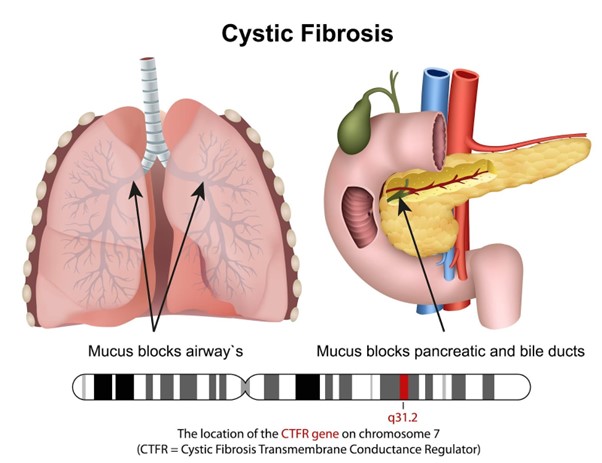
A nurse is caring for an adolescent client who has cystic fibrosis. Which of the following actions should the nurse instruct the client to take prior to initiating postural drainage?
A. Complete oral hygiene.
Completing oral hygiene is important for overall health, especially for individuals with cystic fibrosis, as they are at a higher risk for dental problems due to thick mucus that can harbor bacteria. However, oral hygiene does not have a direct impact on the effectiveness of postural drainage. Postural drainage is a technique used to clear mucus from the lungs, and while maintaining oral hygiene is beneficial, it is not a prerequisite for this procedure.
B. Use an ibuterol inhaler.
Using a bronchodilator, such as an ibuterol inhaler, is recommended before postural drainage because it helps to open the airways, making the procedure more effective. Bronchodilators work by relaxing the muscles around the airways, which can become constricted in conditions like cystic fibrosis. This relaxation allows for easier clearance of mucus during postural drainage.
C. Take pancrelipase.
Pancrelipase is an enzyme supplement used to aid digestion in patients with cystic fibrosis, who often have pancreatic insufficiency. While taking pancrelipase is crucial for nutrient absorption, it is not specifically related to the respiratory treatment of postural drainage. Therefore, it is not necessary to take pancrelipase immediately before this procedure.
D. Eat a meal.
Eating a meal before postural drainage is not recommended. The procedure involves placing the body in positions that facilitate the drainage of mucus from the lungs due to gravity. Having a full stomach can cause discomfort, increase the risk of vomiting, and may hinder the effectiveness of the drainage. It is best to perform postural drainage when the stomach is empty, either before meals or at least 1.5 hours after eating.
Full Explanation
The correct answer is B.
Choice A reason: Completing oral hygiene is important for overall health, especially for individuals with cystic fibrosis, as they are at a higher risk for dental problems due to thick mucus that can harbor bacteria. However, oral hygiene does not have a direct impact on the effectiveness of postural drainage. Postural drainage is a technique used to clear mucus from the lungs, and while maintaining oral hygiene is beneficial, it is not a prerequisite for this procedure.
Choice B reason: Using a bronchodilator, such as an ibuterol inhaler, is recommended before postural drainage because it helps to open the airways, making the procedure more effective. Bronchodilators work by relaxing the muscles around the airways, which can become constricted in conditions like cystic fibrosis. This relaxation allows for easier clearance of mucus during postural drainage.
Choice C reason: Pancrelipase is an enzyme supplement used to aid digestion in patients with cystic fibrosis, who often have pancreatic insufficiency. While taking pancrelipase is crucial for nutrient absorption, it is not specifically related to the respiratory treatment of postural drainage. Therefore, it is not necessary to take pancrelipase immediately before this procedure.
Choice D reason: Eating a meal before postural drainage is not recommended. The procedure involves placing the body in positions that facilitate the drainage of mucus from the lungs due to gravity. Having a full stomach can cause discomfort, increase the risk of vomiting, and may hinder the effectiveness of the drainage. It is best to perform postural drainage when the stomach is empty, either before meals or at least 1.5 hours after eating.
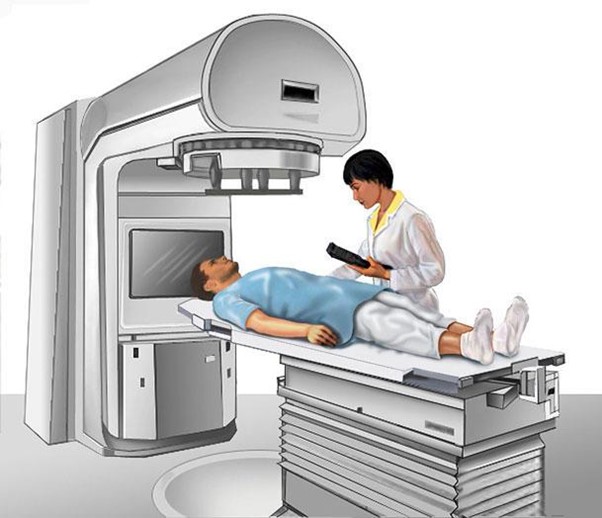
A nurse is providing teaching to a client who is to begin external radiation therapy for cancer. Which of the following information should the nurse include?
A. "You might experience altered taste sensations."
"You might experience altered taste sensations" is the correct statement. When providing teaching to a client about to undergo external radiation therapy for cancer, the nurse should include information about potential side effects and what to expect during the treatment. One common side effect of radiation therapy, especially when the treatment is focused on or near the head and neck region, is altered taste sensations. Radiation can affect the taste buds and lead to changes in how foods taste.
B. "Use rubbing alcohol to remove the ink markings."
"Use rubbing alcohol to remove the ink markings. “The statement is incorrect. The ink markings made on the client's skin are used as reference points for the radiation therapy treatment. It is essential not to remove these markings, as they are crucial for accurate positioning during each treatment session. The nurse should instruct the client not to tamper with the markings, and the radiation therapy team will remove them when they are no longer needed.
C. "Wear a binder over the radiation site."
"Wear a binder over the radiation site." The statement is incorrect. Wearing a binder over the radiation site is not a standard practice during external radiation therapy. The client should be instructed to follow the specific guidelines provided by the radiation therapy team regarding clothing and positioning during treatments. The use of binders or other tight clothing over the treatment area may not be recommended, as it can cause discomfort or interfere with the delivery of radiation.
D. "Wash your skin thoroughly with a washcloth after each treatment."
"Wash your skin thoroughly with a washcloth after each treatment." Is incorrect statement. During radiation therapy, the skin in the treatment area can become sensitive. It is essential for the client to follow the specific instructions provided by the radiation therapy team regarding skin care. Generally, the client should avoid using harsh soaps or scrubbing the skin vigorously. Instead, they should gently cleanse the area with a mild soap or as directed by their healthcare providers.
Full Explanation
Choice A reason:
"You might experience altered taste sensations" is the correct statement. When providing teaching to a client about to undergo external radiation therapy for cancer, the nurse should include information about potential side effects and what to expect during the treatment. One common side effect of radiation therapy, especially when the treatment is focused on or near the head and neck region, is altered taste sensations. Radiation can affect the taste buds and lead to changes in how foods taste.
Choice B reason:
"Use rubbing alcohol to remove the ink markings. “The statement is incorrect. The ink markings made on the client's skin are used as reference points for the radiation therapy treatment. It is essential not to remove these markings, as they are crucial for accurate positioning during each treatment session. The nurse should instruct the client not to tamper with the markings, and the radiation therapy team will remove them when they are no longer needed.
Choice C reason:
"Wear a binder over the radiation site." The statement is incorrect. Wearing a binder over the radiation site is not a standard practice during external radiation therapy. The client should be instructed to follow the specific guidelines provided by the radiation therapy team regarding clothing and positioning during treatments. The use of binders or other tight clothing over the treatment area may not be recommended, as it can cause discomfort or interfere with the delivery of radiation.
Choice D reason
"Wash your skin thoroughly with a washcloth after each treatment." Is incorrect statement. During radiation therapy, the skin in the treatment area can become sensitive. It is essential for the client to follow the specific instructions provided by the radiation therapy team regarding skin care. Generally, the client should avoid using harsh soaps or scrubbing the skin vigorously. Instead, they should gently cleanse the area with a mild soap or as directed by their healthcare providers.