Nursing practice questions with comprehensive rationales
NurseDive Free Nursing Practice Question
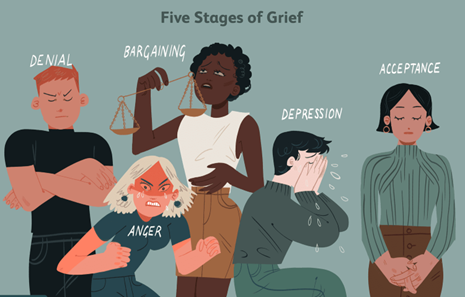
A nurse is caring for a client who has been diagnosed with end-stage liver cancer. Which of the following responses is an indication the client is in the denial phase of the grief process?
A. I need someone near me all the time, l am very tired.
B. The doctor has been so good to me. I know he has tried everything he can. It is just my time.
C. The doctor says only have a few months to live, but know he is exaggerating to get me to take my medication.
This statement shows that the client is not accepting the reality of their prognosis and is dismissing the doctor's professional opinion. Denial is a common stage in the grief process where individuals may refuse to believe or accept a difficult reality, often as a coping mechanism to avoid the pain and sadness of the situation. Options a, b, d, and e do not indicate denial and instead may suggest fatigue, acceptance, physical weakness, and anger or frustration, respectively.
D. Even though am not hurting right now, I don't feel like I have the energy to get out of bed.
This question is an excerpt from Nurse Dive's nursing test bank - Mental Health - Proctored Exam 2. Take the full exam now
Full Explanation
This statement shows that the client is not accepting the reality of their prognosis and is dismissing the doctor's professional opinion. Denial is a common stage in the grief process where individuals may refuse to believe or accept a difficult reality, often as a coping mechanism to avoid the pain and sadness of the situation. Options a, b, d, and e do not indicate denial and instead may suggest fatigue, acceptance, physical weakness, and anger or frustration, respectively.
Similar Questions
A patient who is experiencing moderate anxiety says, "l feel undone." An appropriate response for the registered nurse who needs clarification would be:
Select one:
A. I’m not sure I understand. Please give me an example...
This response is appropriate because it seeks clarification and more information to help the nurse better understand the patient's statement. By asking for an example, the nurse can gain a better understanding of the patient's experience and identify appropriate interventions to help the patient manage their anxiety.
B. "Can you explain me everything again?"
Option b is not an appropriate response as it does not seek clarification and instead asks the patient to repeat themselves.
C. "Why do you feel like that? What would you like me to do to help you?"
Option c is partially appropriate but could be improved by asking more specific questions to help the patient articulate their feelings and needs.
D. You must get your feelings under control before we can continue."
Option d is not an appropriate response as it dismisses the patient's feelings and may cause the patient to feel unsupported and isolated.
Full Explanation
This response is appropriate because it seeks clarification and more information to help the nurse better understand the patient's statement. By asking for an example, the nurse can gain a better understanding of the patient's experience and identify appropriate interventions to help the patient manage their anxiety.
Option b is not an appropriate response as it does not seek clarification and instead asks the patient to repeat themselves.
Option c is partially appropriate but could be improved by asking more specific questions to help the patient articulate their feelings and needs.
Option d is not an appropriate response as it dismisses the patient's feelings and may cause the patient to feel unsupported and isolated.
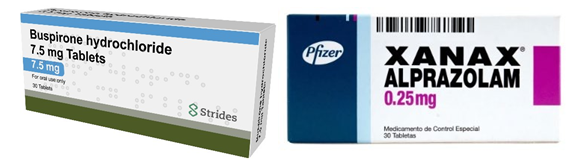
A client tells the nurse. "l wanted my health care provider to prescribe alprazolam (Xanax) for my anxiety disorder but buspirone (Buspar) was prescribed instead. Why?" The registered nurse's reply should be based on that buspirone:
Select one:
A. has faster Start of acting than diazepam.
B. does not produce blood dyscrasias or low WBC count.
C. does not cause dependence and benzodiazepines cause dependence.
Buspirone and benzodiazepines are both medications used to treat anxiety disorders, but they work in different ways. Benzodiazepines like Xanax work by enhancing the effects of a neurotransmitter called GABA, which can produce a sense of relaxation and calmness. However, benzodiazepines can also cause dependence, tolerance, and withdrawal symptoms when used for a prolonged period. On the other hand, buspirone works by binding to serotonin and dopamine receptors in the brain, which can reduce anxiety. Unlike benzodiazepines, buspirone does not cause dependence, tolerance, or withdrawal symptoms, which makes it a safer option for long-term treatment of anxiety disorders. Therefore, the healthcare provider may have prescribed buspirone instead of alprazolam because it is a safer alternative for long-term use, especially for individuals who have a history of substance abuse or dependence. The nurse should explain the benefits of buspirone and address any concerns the client may have about the medication.
D. can be administered as needed (PRN) only when you feel very anxious
Full Explanation
Buspirone and benzodiazepines are both medications used to treat anxiety disorders, but they work in different ways. Benzodiazepines like Xanax work by enhancing the effects of a neurotransmitter called GABA, which can produce a sense of relaxation and calmness. However, benzodiazepines can also cause dependence, tolerance, and withdrawal symptoms when used for a prolonged period.
On the other hand, buspirone works by binding to serotonin and dopamine receptors in the brain, which can reduce anxiety. Unlike benzodiazepines, buspirone does not cause dependence, tolerance, or withdrawal symptoms, which makes it a safer option for long-term treatment of anxiety disorders.
Therefore, the healthcare provider may have prescribed buspirone instead of alprazolam because it is a safer alternative for long-term use, especially for individuals who have a history of substance abuse or dependence. The nurse should explain the benefits of buspirone and address any concerns the client may have about the medication.
A registered nurse assesses a confused older adult, The nurse experiences sadness and reflects. "The patient is like one of my grandparents, so helpless." What feelings does the nurse describe?
Select one:
A. Sublimation
B. Transference
C. Counter transference
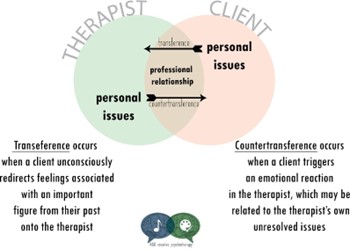
Countertransference refers to the feelings and emotions that a healthcare provider may have towards a patient. In this case, the nurse is experiencing sadness and reflecting on their own personal experiences with their grandparents while assessing the confused older adult. This can lead to the nurse projecting their own feelings and emotions onto the patient.
D. Repression
Full Explanation
Countertransference refers to the feelings and emotions that a healthcare provider may have towards a patient. In this case, the nurse is experiencing sadness and reflecting on their own personal experiences with their grandparents while assessing the confused older adult. This can lead to the nurse projecting their own feelings and emotions onto the patient.