Nursing practice questions with comprehensive rationales
NurseDive Free Nursing Practice Question
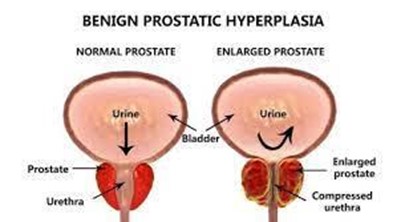
A nurse is caring for a client who has benign prostatic hyperplasia (BPH). Which of the following findings should the nurse expect?
A. Painful urination
Reason: Painful urination is not a common finding in BPH, but it may indicate a urinary tract infection or bladder stones.
B. Decreased urinary stream
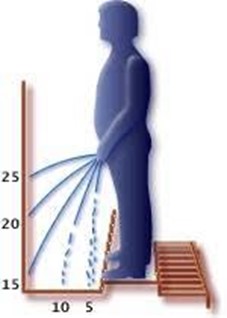
Reason: Decreased urinary stream is a common finding in BPH, as the enlarged prostate compresses the urethra and obstructs the flow of urine.
C. Critically elevated prostate-specific antigen (PSA) level
Reason: Critically elevated PSA level is not a common finding in BPH, but it may indicate prostate cancer or prostatitis.
D. Urge incontinence
Reason: Urge incontinence is not a common finding in BPH, but it may indicate an overactive bladder or neurogenic bladder.
This question is an excerpt from Nurse Dive's nursing test bank - ATI Med Surg Proctored Exam 3. Take the full exam now
Full Explanation
Choice A Reason: Painful urination is not a common finding in BPH, but it may indicate a urinary tract infection or bladder stones.
Choice B Reason: Decreased urinary stream is a common finding in BPH, as the enlarged prostate compresses the urethra and obstructs the flow of urine.
Choice C Reason: Critically elevated PSA level is not a common finding in BPH, but it may indicate prostate cancer or prostatitis.
Choice D Reason: Urge incontinence is not a common finding in BPH, but it may indicate an overactive bladder or neurogenic bladder.
Similar Questions
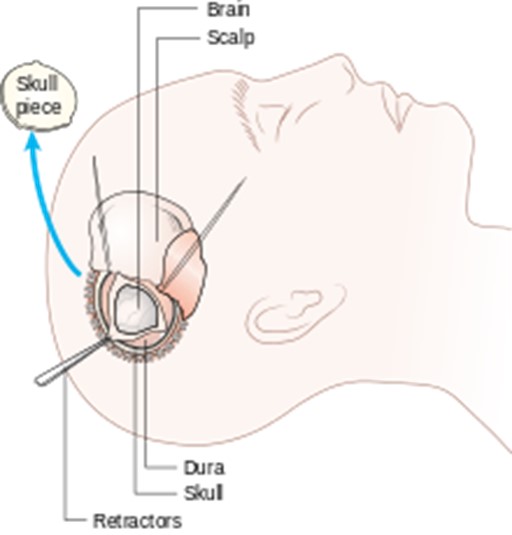
A nurse is monitoring a client for findings related to diabetes insipidus following a craniotomy. Which of the following findings should indicate a manifestation of this condition to the nurse?
A. Hypertension
Reason: Hypertension is not a common finding in diabetes insipidus, but it may indicate increased intracranial pressure or other complications.
B. Fluid retention
Reason: Fluid retention is not a common finding in diabetes insipidus, but it may indicate syndrome of inappropriate antidiuretic hormone secretion (SIADH) or heart failure.
C. Elevated blood glucose
Reason: Elevated blood glucose is not a common finding in diabetes insipidus, but it may indicate diabetes mellitus or hyperglycemia.
D. Increased urine output
Reason: Increased urine output is a common finding in diabetes insipidus, as the lack of antidiuretic hormone (ADH) causes the kidneys to excrete large amounts of diluted urine.
Full Explanation
Choice A Reason: Hypertension is not a common finding in diabetes insipidus, but it may indicate increased intracranial pressure or other complications.
Choice B Reason: Fluid retention is not a common finding in diabetes insipidus, but it may indicate syndrome of inappropriate antidiuretic hormone secretion (SIADH) or heart failure.
Choice C Reason: Elevated blood glucose is not a common finding in diabetes insipidus, but it may indicate diabetes mellitus or hyperglycemia.
Choice D Reason: Increased urine output is a common finding in diabetes insipidus, as the lack of antidiuretic hormone (ADH) causes the kidneys to excrete large amounts of diluted urine.
Which of the following clinical manifestations should a nurse expect from a client with hyperthyroidism? SELECT ALL THAT APPLY
A. Heat intolerance
Choice A Reason: Heat intolerance is a common finding in hyperthyroidism, as the increased metabolic rate causes the body to produce more heat and sweat.
B. Diarrhea
Choice B Reason: Diarrhea is a common finding in hyperthyroidism, as the increased motility of the gastrointestinal tract causes more frequent and loose stools.
C. Weight loss
Choice C Reason: Weight loss is a common finding in hyperthyroidism, as the increased metabolism and appetite cause the body to burn more calories than it consumes.
D. Weight gain
Choice D Reason: Weight gain is not a common finding in hyperthyroidism, but it may indicate other conditions such as hypothyroidism or Cushing's syndrome.
E. Bradycardia
Full Explanation
Choice A Reason: Heat intolerance is a common finding in hyperthyroidism, as the increased metabolic rate causes the body to produce more heat and sweat.
Choice B Reason: Diarrhea is a common finding in hyperthyroidism, as the increased motility of the gastrointestinal tract causes more frequent and loose stools.
Choice C Reason: Weight loss is a common finding in hyperthyroidism, as the increased metabolism and appetite cause the body to burn more calories than it consumes.
Choice D Reason: Weight gain is not a common finding in hyperthyroidism, but it may indicate other conditions such as hypothyroidism or Cushing's syndrome.
Choice E Reason: Bradycardia is not a common finding in hyperthyroidism, but it may indicate other conditions such as heart block or beta-blocker use.
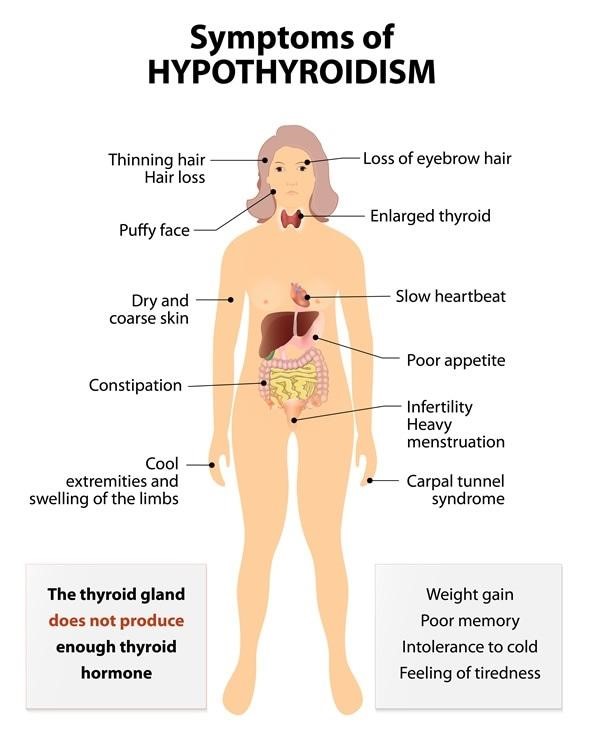
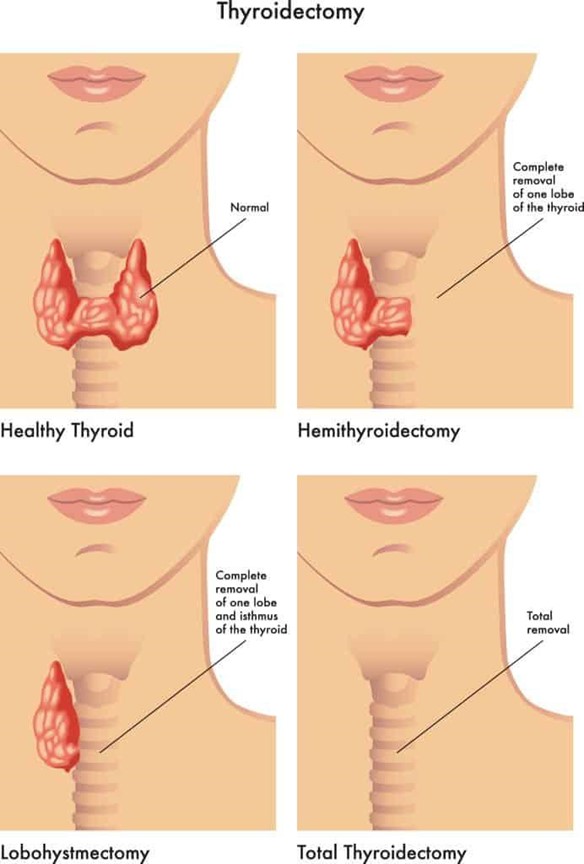
The nurse is caring for a client after a total thyroidectomy. The nurse's priority should be to:
A. Encourage the client to cough and deep breathe every two hours, with her neck in a flexed position.
Reason: Encouraging the client to cough and deep breathe every two hours, with her neck in a flexed position, is not a priority for a client after a total thyroidectomy, as it may increase the risk of bleeding or damage to the surgical site.
B. Maintain the client in a Fowler's position, with head neutral supported by pillows.
Reason: Maintaining the client in a Fowler's position, with head neutral supported by pillows, is a priority for a client after a total thyroidectomy, as it helps to reduce swelling and edema, prevent airway obstruction, and promote venous drainage.
C. Maintain the client in a supine position, with sandbags placed on either side of her head and neck.
Reason: Maintaining the client in a supine position, with sandbags placed on either side of her head and neck, is not a priority for a client after a total thyroidectomy, as it may impair breathing and circulation, increase pressure on the surgical site, and cause neck stiffness.
D. Encourage the client to turn head side to side, to promote drainage of oral secretions.
Reason: Encouraging the client to turn head side to side, to promote drainage of oral secretions, is not a priority for a client after a total thyroidectomy, as it may cause pain and discomfort, disrupt the sutures or drains, and increase the risk of infection.
Full Explanation
Choice A Reason: Encouraging the client to cough and deep breathe every two hours, with her neck in a flexed position, is not a priority for a client after a total thyroidectomy, as it may increase the risk of bleeding or damage to the surgical site.
Choice B Reason: Maintaining the client in a Fowler's position, with head neutral supported by pillows, is a priority for a client after a total thyroidectomy, as it helps to reduce swelling and edema, prevent airway obstruction, and promote venous drainage.
Choice C Reason: Maintaining the client in a supine position, with sandbags placed on either side of her head and neck, is not a priority for a client after a total thyroidectomy, as it may impair breathing and circulation, increase pressure on the surgical site, and cause neck stiffness.
Choice D Reason: Encouraging the client to turn head side to side, to promote drainage of oral secretions, is not a priority for a client after a total thyroidectomy, as it may cause pain and discomfort, disrupt the sutures or drains, and increase the risk of infection.