Nursing practice questions with comprehensive rationales
NurseDive Free Nursing Practice Question
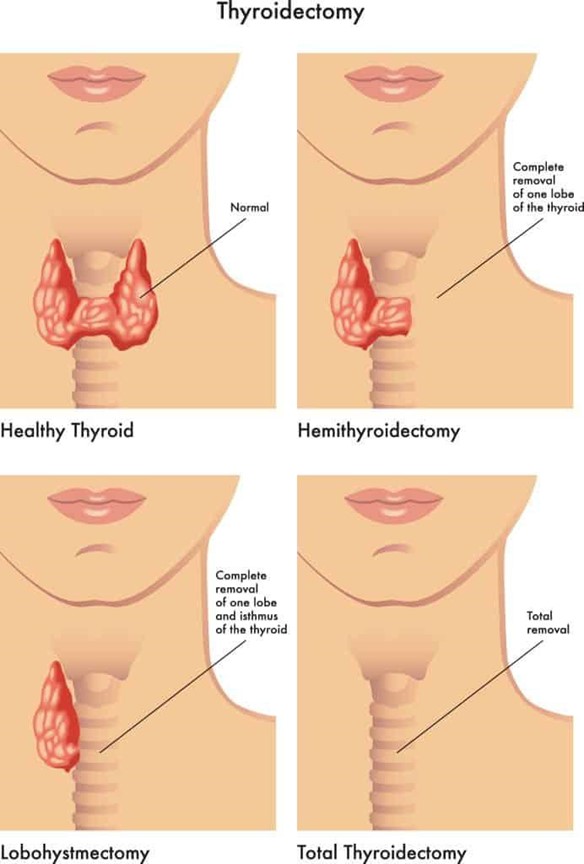
The nurse is caring for a client after a total thyroidectomy. The nurse's priority should be to:
A. Encourage the client to cough and deep breathe every two hours, with her neck in a flexed position.
Reason: Encouraging the client to cough and deep breathe every two hours, with her neck in a flexed position, is not a priority for a client after a total thyroidectomy, as it may increase the risk of bleeding or damage to the surgical site.
B. Maintain the client in a Fowler's position, with head neutral supported by pillows.
Reason: Maintaining the client in a Fowler's position, with head neutral supported by pillows, is a priority for a client after a total thyroidectomy, as it helps to reduce swelling and edema, prevent airway obstruction, and promote venous drainage.
C. Maintain the client in a supine position, with sandbags placed on either side of her head and neck.
Reason: Maintaining the client in a supine position, with sandbags placed on either side of her head and neck, is not a priority for a client after a total thyroidectomy, as it may impair breathing and circulation, increase pressure on the surgical site, and cause neck stiffness.
D. Encourage the client to turn head side to side, to promote drainage of oral secretions.
Reason: Encouraging the client to turn head side to side, to promote drainage of oral secretions, is not a priority for a client after a total thyroidectomy, as it may cause pain and discomfort, disrupt the sutures or drains, and increase the risk of infection.
This question is an excerpt from Nurse Dive's nursing test bank - ATI Med Surg Proctored Exam 3. Take the full exam now
Full Explanation
Choice A Reason: Encouraging the client to cough and deep breathe every two hours, with her neck in a flexed position, is not a priority for a client after a total thyroidectomy, as it may increase the risk of bleeding or damage to the surgical site.
Choice B Reason: Maintaining the client in a Fowler's position, with head neutral supported by pillows, is a priority for a client after a total thyroidectomy, as it helps to reduce swelling and edema, prevent airway obstruction, and promote venous drainage.
Choice C Reason: Maintaining the client in a supine position, with sandbags placed on either side of her head and neck, is not a priority for a client after a total thyroidectomy, as it may impair breathing and circulation, increase pressure on the surgical site, and cause neck stiffness.
Choice D Reason: Encouraging the client to turn head side to side, to promote drainage of oral secretions, is not a priority for a client after a total thyroidectomy, as it may cause pain and discomfort, disrupt the sutures or drains, and increase the risk of infection.
Similar Questions
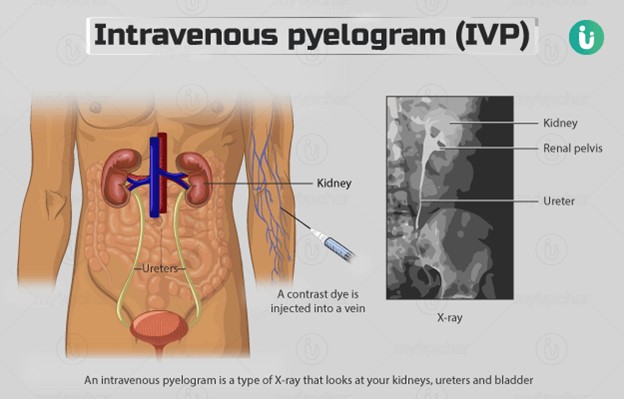
A nurse is reinforcing teaching with a client who is scheduled for an intravenous pyelogram (IVP). Which of the following statements should the nurse include in the teaching?
A. The procedure will be cancelled if the urinalysis indicates the presence of red blood cells.
Reason: The procedure will not be cancelled if the urinalysis indicates the presence of red blood cells, but it may indicate a urinary tract infection or kidney damage that needs further evaluation.
B. After the procedure, you will be encouraged to drink plenty of fluids.
Reason: After the procedure, you will be encouraged to drink plenty of fluids, as this helps to flush out the contrast dye that was injected into your vein and prevent dehydration and kidney damage.
C. High frequency sound waves will be used to identify renal system structures.
Reason: High frequency sound waves will not be used to identify renal system structures, but this is the principle of ultrasound imaging, which is a different diagnostic test.
D. You will need to remain flat in bed for 4 hours following this procedure.
Reason: You will not need to remain flat in bed for 4 hours following this procedure, but you may need to rest for a short period of time and avoid strenuous activities for the rest of the day.
Full Explanation
Choice A Reason: The procedure will not be cancelled if the urinalysis indicates the presence of red blood cells, but it may indicate a urinary tract infection or kidney damage that needs further evaluation.
Choice B Reason: After the procedure, you will be encouraged to drink plenty of fluids, as this helps to flush out the contrast dye that was injected into your vein and prevent dehydration and kidney damage.
Choice C Reason: High frequency sound waves will not be used to identify renal system structures, but this is the principle of ultrasound imaging, which is a different diagnostic test.
Choice D Reason: You will not need to remain flat in bed for 4 hours following this procedure, but you may need to rest for a short period of time and avoid strenuous activities for the rest of the day.
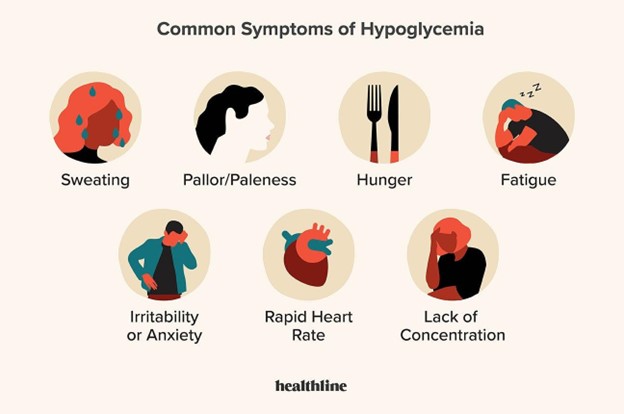
The nurse should teach a diabetic client that which symptom is indicative of hypoglycemia?
A. Anorexia
Reason: Anorexia is not a symptom of hypoglycemia, but it may indicate a loss of appetite due to other causes such as nausea, infection, or depression.
B. Warm skin
Reason: Warm skin is not a symptom of hypoglycemia, but it may indicate a fever, inflammation, or infection.
C. Fruity breath
Reason: Fruity breath is not a symptom of hypoglycemia, but it may indicate ketoacidosis, which is a serious complication of hyperglycemia.
D. Nervousness
Reason: Nervousness is a symptom of hypoglycemia, as the low blood glucose level affects the brain and causes anxiety, irritability, confusion, and tremors.
Full Explanation
Choice A Reason: Anorexia is not a symptom of hypoglycemia, but it may indicate a loss of appetite due to other causes such as nausea, infection, or depression.
Choice B Reason: Warm skin is not a symptom of hypoglycemia, but it may indicate a fever, inflammation, or infection.
Choice C Reason: Fruity breath is not a symptom of hypoglycemia, but it may indicate ketoacidosis, which is a serious complication of hyperglycemia.
Choice D Reason: Nervousness is a symptom of hypoglycemia, as the low blood glucose level affects the brain and causes anxiety, irritability, confusion, and tremors.
Which goal for the client's care should take priority when caring for a client admitted due to exacerbation of ulcerative colitis?
A. Managing diarrhea
Reason: Managing diarrhea is the priority goal for the client's care, as it helps to prevent dehydration, electrolyte imbalance, malnutrition, and infection.
B. Promoting rest and comfort
Reason: Promoting rest and comfort is an important goal for the client's care, but it is not the priority, as it does not address the underlying cause of the exacerbation.
C. Increasing self-esteem
Reason: Increasing self-esteem is a long-term goal for the client's care, but it is not the priority, as it does not affect the physical condition of the client.
D. Promoting self-care and independence
Reason: Promoting self-care and independence is a long-term goal for the client's care, but it is not the priority, as it does not affect the acute symptoms of the exacerbation.
Full Explanation
Choice A Reason: Managing diarrhea is the priority goal for the client's care, as it helps to prevent dehydration, electrolyte imbalance, malnutrition, and infection.
Choice B Reason: Promoting rest and comfort is an important goal for the client's care, but it is not the priority, as it does not address the underlying cause of the exacerbation.
Choice C Reason: Increasing self-esteem is a long-term goal for the client's care, but it is not the priority, as it does not affect the physical condition of the client.
Choice D Reason: Promoting self-care and independence is a long-term goal for the client's care, but it is not the priority, as it does not affect the acute symptoms of the exacerbation.