Nursing practice questions with comprehensive rationales
NurseDive Free Nursing Practice Question
A nurse is caring for a client who has chronic back pain and asks about receiving acupuncture for relief. Which of the following findings should the nurse identify as a contraindication to receiving this treatment?
A. Hypertension
Option a is incorrect because hypertension is not a contraindication to receiving acupuncture.
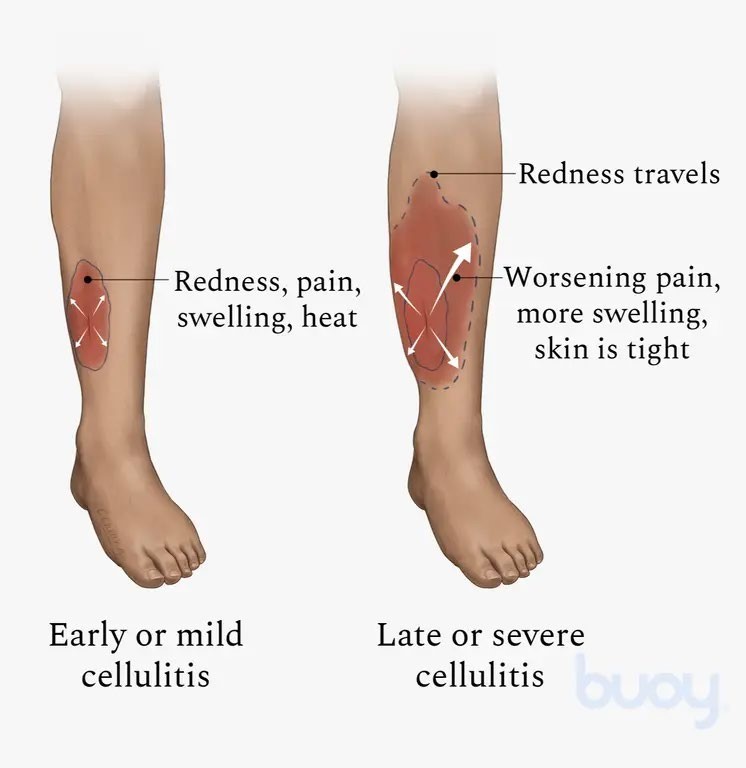
B. Cellulitis
Cellulitis is a contraindication to receiving acupuncture treatment. Acupuncture involves the insertion of needles into the skin, and if the client has an active skin infection such as cellulitis, there is a risk of spreading the infection.
C. Obesity
Option c is incorrect because obesity is not a contraindication to receiving acupuncture.
D. Migraines
Option d is incorrect because migraines are not a contraindication to receiving acupuncture; in fact, acupuncture may be used to treat migraines.
This question is an excerpt from Nurse Dive's nursing test bank - ATI RN Fundamentals 2019 with NGN - Proctored Exam 2. Take the full exam now
Full Explanation
Cellulitis is a contraindication to receiving acupuncture treatment. Acupuncture involves the insertion of needles into the skin, and if the client has an active skin infection such as cellulitis, there is a risk of spreading the infection.
Option a is incorrect because hypertension is not a contraindication to receiving acupuncture.
Option c is incorrect because obesity is not a contraindication to receiving acupuncture.
Option d is incorrect because migraines are not a contraindication to receiving acupuncture; in fact, acupuncture may be used to treat migraines.
Similar Questions
A hospice nurse is visiting a client who has terminal cancer. Which of the following statements by the client's partner should the nurse recognize as an indication of anticipatory grief?
A. "I miss him so much already."
When a hospice nurse is visiting a client who has terminal cancer, the statement "I miss him so much already" by the client's partner should be recognized as an indication of anticipatory grief. Anticipatory grief is the grief that occurs before a loss and can include feelings of sadness, longing, and missing the person who is dying.
B. "I am so angry that this is happening to us."
Option b is incorrect because anger is a common emotion during the grieving process but does not necessarily indicate anticipatory grief.
C. "We are planning a trip for next spring."
Option c is incorrect because planning for the future does not necessarily indicate anticipatory grief.
D. "We haven't discussed funeral arrangements."
Option d is incorrect because not discussing funeral arrangements does not necessarily indicate anticipatory grief.
Full Explanation
When a hospice nurse is visiting a client who has terminal cancer, the statement "I miss him so much already" by the client's partner should be recognized as an indication of anticipatory grief. Anticipatory grief is the grief that occurs before a loss and can include feelings of sadness, longing, and missing the person who is dying.
Option b is incorrect because anger is a common emotion during the grieving process but does not necessarily indicate anticipatory grief.
Option c is incorrect because planning for the future does not necessarily indicate anticipatory grief.
Option d is incorrect because not discussing funeral arrangements does not necessarily indicate anticipatory grief.
A nurse hangs a bag of dextrose 5% in water, 1,000 mL at 0800 to run at 125 mL/hr. At 1200, the nurse notices that the client's IV bag is empty. Which of the following interventions should the nurse take first?
A. Notify the primary care provider.
Option a is incorrect because notifying the primary care provider is important but not the first intervention.
B. Assess the client's vital signs.
If a nurse hangs a bag of dextrose 5% in water, 1,000 mL at 0800 to run at 125 mL/hr and notices that the client's IV bag is empty at 1200, the first intervention the nurse should take is to assess the client's vital signs. This will help the nurse determine if the client is experiencing any adverse effects from the rapid infusion of fluids.
C. Calculate the infused volume.
Option c is incorrect because calculating the infused volume is important but not the first intervention.
D. Complete an incident report.
Option d is incorrect because completing an incident report is important but not the first intervention.
Full Explanation
If a nurse hangs a bag of dextrose 5% in water, 1,000 mL at 0800 to run at 125 mL/hr and notices that the client's IV bag is empty at 1200, the first intervention the nurse should take is to assess the client's vital signs. This will help the nurse determine if the client is experiencing any adverse effects from the rapid infusion of fluids.
Option a is incorrect because notifying the primary care provider is important but not the first intervention.
Option c is incorrect because calculating the infused volume is important but not the first intervention.
Option d is incorrect because completing an incident report is important but not the first intervention.
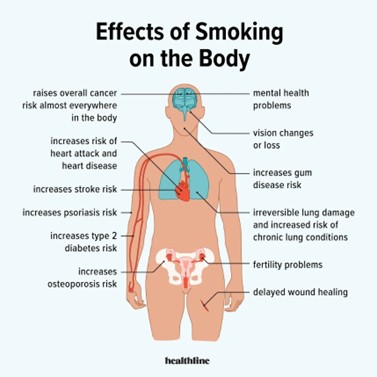
A nurse is caring for an older adult client who tells the nurse, "I have smoked one pack of cigarettes every day for the last 60 years." Which of the following actions should the nurse take next?
A. Ask what the client knows about the effects of smoking.
If a nurse is caring for an older adult client who tells the nurse that they have smoked one pack of cigarettes every day for the last 60 years, the next action the nurse should take is to ask what the client knows about the effects of smoking. This will help the nurse assess the client's knowledge and understanding of the risks associated with smoking and provide an opportunity for education.
B. Work with the client to establish a quit date.
Option b is incorrect because working with the client to establish a quit date is important but not the next intervention.
C. Suggest that the client use nicotine gum to facilitate quitting.
Option c is incorrect because suggesting that the client use nicotine gum to facilitate quitting is important but not the next intervention.
D. Refer the client to a local smoking cessation program.
Option d is incorrect because referring the client to a local smoking cessation program is important but not the next intervention.
Full Explanation
If a nurse is caring for an older adult client who tells the nurse that they have smoked one pack of cigarettes every day for the last 60 years, the next action the nurse should take is to ask what the client knows about the effects of smoking. This will help the nurse assess the client's knowledge and understanding of the risks associated with smoking and provide an opportunity for education.
Option b is incorrect because working with the client to establish a quit date is important but not the next intervention.
Option c is incorrect because suggesting that the client use nicotine gum to facilitate quitting is important but not the next intervention.
Option d is incorrect because referring the client to a local smoking cessation program is important but not the next intervention.