
Nursing practice questions with comprehensive rationales
NurseDive Free Nursing Practice Question
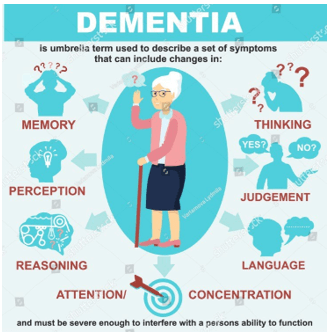
A nurse is caring for a client who has dementia.
Which of the following findings should the nurse expect?
A. Memory loss that disrupts ADLs
Dementia is a condition characterized by a decline in cognitive function that affects a person's ability to perform activities of daily living (ADLs). Memory loss is a common symptom of dementia, particularly in the early stages. The memory loss can disrupt a person's ability to carry out tasks they were previously able to do independently, such as dressing, bathing, and eating.
B. Catatonia
Is a condition characterized by a lack of movement or activity, which is not typically associated with dementia.
C. Illusions
Involve a misinterpretation of sensory information and may occur in some forms of dementia but are not a defining feature.
D. Pressured speech
Is a symptom commonly associated with mania or bipolar disorder, but is not typically seen in dementia.
This question is an excerpt from Nurse Dive's nursing test bank - PN Comprehensive Predictor PN 2020 Proctored Exam. Take the full exam now
Full Explanation
a. Memory loss that disrupts ADLs
Explanation: Dementia is a condition characterized by a decline in cognitive function that affects a person's ability to perform activities of daily living (ADLs). Memory loss is a common symptom of dementia, particularly in the early stages. The memory loss can disrupt a person's ability to carry out tasks they were previously able to do independently, such as dressing, bathing, and eating. Therefore, option a is the correct answer.
Option b, catatonia, is a condition characterized by a lack of movement or activity, which is not typically associated with dementia.
Option c, illusions, involve a misinterpretation of sensory information and may occur in some forms of dementia but are not a defining feature.
Option d, pressured speech, is a symptom commonly associated with mania or bipolar disorder, but is not typically seen in dementia.
Similar Questions
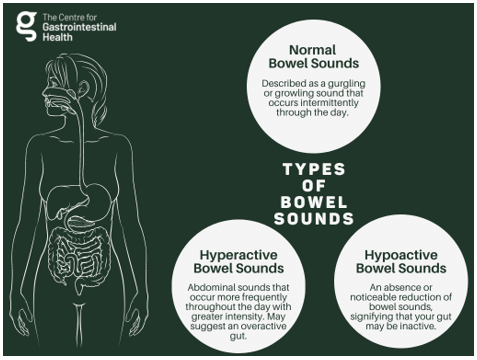
A nurse is reinforcing teaching to a newly licensed nurse about bowel sounds.
Which of the following characteristics should the nurse use to describe hyperactive bowel sounds?
A. Sounds are high-pitched
Hyperactive bowel sounds are bowel sounds that are louder and more frequent than normal. They may be heard as high-pitched rushing or tinkling sounds that occur irregularly at a rate greater than 5-6 sounds per minute. They are often associated with increased intestinal motility, such as in diarrhea, gastroenteritis, or early bowel obstruction.
B. Can be a result of a paralytic ileus
Hyperactive bowel sounds are not typically associated with a paralytic ileus, which is a condition where the bowel stops working and there is a lack of bowel sounds.
C. Indicates decreased motility
Hyperactive bowel sounds indicate increased motility, not decreased motility.
D. Sounds are soft and at a rate of 1/min
Soft bowel sounds at a rate of 1/min are considered hypoactive bowel sounds, which can be a sign of decreased intestinal motility, as seen in constipation or postoperative ileus.
Full Explanation
a. Sounds are high-pitched.
Hyperactive bowel sounds are bowel sounds that are louder and more frequent than normal. They may be heard as high-pitched rushing or tinkling sounds that occur irregularly at a rate greater than 5-6 sounds per minute. They are often associated with increased intestinal motility, such as in diarrhea, gastroenteritis, or early bowel obstruction.
Option b is incorrect because hyperactive bowel sounds are not typically associated with a paralytic ileus, which is a condition where the bowel stops working and there is a lack of bowel sounds.
Option c is incorrect because hyperactive bowel sounds indicate increased motility, not decreased motility.
Option d is incorrect because soft bowel sounds at a rate of 1/min are considered hypoactive bowel sounds, which can be a sign of decreased intestinal motility, as seen in constipation or postoperative ileus.
A nurse is caring for a newly admited older adult client.
Nurses' Notes
Day 1, 12:00:
Transferred to medical-surgical unit from emergency department (ED) for continued care following a closed reduction and immobilization of a fracture of the right arm. Accompanied by adult child.
Client in visibly soiled night clothes with multiple stains, including what appears to be dried blood. Hair, teeth, and fingernails unclean. Strong body odor noted. Bruising of various stages noted around upper arms, back, shoulders, and neck area.
Client is soft-spoken, speaks almost in a whisper, does not make eye contact with nurse.
Client looks at their child before answering the nurse's questions and, when asked how the injury occurred, mumbles "I don't know. Ask them." Client's child states, "He gets confused sometimes. I can answer your questions."
Which of the following interventions should the nurse recommend to include in the client's plan of care?
Select all that apply.
A. Tell the client's child that they will be reported for maltreatment of the client.
It is not appropriate for the nurse to threaten the client's child with reporting for maltreatment without further assessment and evidence.
B. Ask the client's child to provide details regarding the client's fractured arm.
Will provide additional information about the client's injury and help the nurse assess the potential for abuse or neglect.
C. Discuss respite care options with the client's child.
May help alleviate any caregiver stress or burden, and ensure the client's continued care and safety.
D. Speak to the client privately.
Will help establish trust and rapport, and allow the client to disclose any concerns or issues that they may not feel comfortable sharing in front of their child.
E. Provide legal advice to the client regarding power of atorney.
Is not within the scope of nursing practice and should be referred to a legal professional. Additionally, the client's capacity to make decisions and appoint a power of atorney should be assessed before providing such advice.
Full Explanation
The correct answers are b, c, and d.
a. It is not appropriate for the nurse to threaten the client's child with reporting for maltreatment without
further assessment and evidence.
b. Asking the client's child to provide details regarding the client's fractured arm will provide additional information about the client's injury and help the nurse assess the potential for abuse or neglect.
c. Discussing respite care options with the client's child may help alleviate any caregiver stress or burden, and ensure the client's continued care and safety.
d. Speaking to the client privately will help establish trust and rapport, and allow the client to disclose any concerns or issues that they may not feel comfortable sharing in front of their child.
e. Providing legal advice regarding power of atorney is not within the scope of nursing practice and should be referred to a legal professional. Additionally, the client's capacity to make decisions and appoint a power of atorney should be assessed before providing such advice.
A nurse is administering a client's morning oral medications.
Which of the following actions should the nurse take?
A. Verify the medication three times with the medication administration record.
When administering oral medications, the nurse should verify the medication three times with the medication administration record to ensure that the correct medication is being given to the correct client at the correct time. This is known as the "three checks" and is an important step in preventing medication errors.
B. Document medication administration prior to administering medication.
-
C. Administer time-critical medication 60 min before or after the scheduled time.
-
D. Identify the client by using one identifier before giving the medication.
-
Full Explanation
a. Verify the medication three times with the medication administration record.
When administering oral medications, the nurse should verify the medication three times with the medication administration record to ensure that the correct medication is being given to the correct client at the correct time. This is known as the "three checks" and is an important step in preventing medication errors.
