Nursing practice questions with comprehensive rationales
NurseDive Free Nursing Practice Question
A nurse is caring for a client who has difficulty swallowing medications and is prescribed enteric-coated aspirin PO once daily. The client asks if the medication can be crushed to make it easier to swallow. Which of the following responses should the nurse provide?
A. Crushing the medication would release all the medication at once, rather than over time.
This applies to extended-release (ER, SR, or CR) formulations, not enteric-coated medications.
B. Crushing the medication is a good idea and I can mix it in some soft cream for you.
Crushing an enteric-coated tablet defeats its purpose and can cause gastrointestinal issues.
C. Crushing the medication might cause you to have stomach-ache or indigestion.
Enteric-coated (EC) medications have a special coating designed to prevent dissolution in the acidic environment of the stomach and instead dissolve in the alkaline environment of the small intestine. This coating helps Prevent stomach irritation (which is important for aspirin, as it can cause gastric ulcers).
D. Crushing is unsafe as it destroys the ingredients in the medication.
The medication's ingredients remain intact, but its coating is destroyed, leading to stomach irritation.
This question is an excerpt from Nurse Dive's nursing test bank - ATI Custom Pharmacology Proctored Exam 2. Take the full exam now
Full Explanation
Enteric-coated aspirin is designed to release slowly over time to protect the stomach lining from irritation. Crushing the medication would defeat this purpose and could cause stomach irritation or other side effects.
Similar Questions
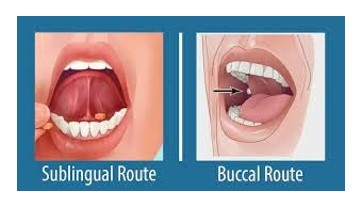
Why are sublingual and buccal medications rapidly absorbed?
A. They are metabolized in the liver.
B. Their action is located in the mouth.
C. These drugs pass directly into systemic circulation.
Sublingual and buccal medications are rapidly absorbed because they are placed under the tongue or between the cheek and gum, where they dissolve and are absorbed directly into the bloodstream through the mucous membranes in the mouth. This allows for rapid absorption and bypasses the liver’s first-pass metabolism.
D. Blood flow is diminished in these sites.
Full Explanation
Sublingual and buccal medications are rapidly absorbed because they are placed under the tongue or between the cheek and gum, where they dissolve and are absorbed directly into the bloodstream through the mucous membranes in the mouth. This allows for rapid absorption and bypasses the liver’s first-pass metabolism.
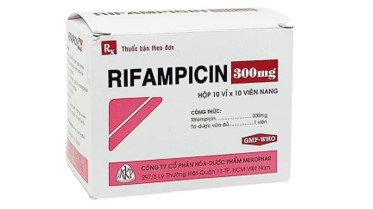
A nurse is caring for a client who has tuberculosis and new prescriptions for rifampin and pyrazinamide. Which of the following laboratory tests should the nurse instruct, the client will be required while on this medication regimen?
A. Gallbladder studies.
B. Liver function tests.
Rifampin and pyrazinamide can cause liver toxicity, so liver function tests should be monitored regularly while on this medication regimen to ensure that the liver is functioning properly and to detect any potential liver damage early.
C. Blood glucose levels.
D. Kidney function studies.
Full Explanation
Rifampin and pyrazinamide can cause liver toxicity, so liver function tests should be monitored regularly while on this medication regimen to ensure that the liver is functioning properly and to detect any potential liver damage early.
A nurse is preparing to admit a client to the PACU who received a competitive neuromuscular blocking agent. Which of the following items should the nurse place at the client’s bedside?
A. Chest tube equipment.
B. Central venous catheter tray.
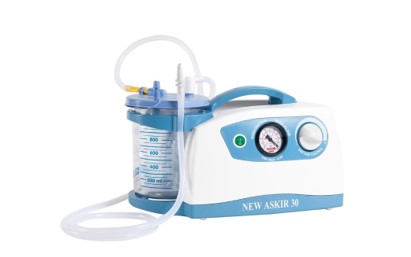
C. Suction device and equipment.
A competitive neuromuscular blocking agent can cause respiratory depression and compromise the client’s ability to clear secretions. Therefore, it is important to have suction equipment readily available at the bedside to assist with airway clearance if needed.
D. Defibrillator machine.
E. Defibrillator machine.
Full Explanation
A competitive neuromuscular blocking agent can cause respiratory depression and compromise the client’s ability to clear secretions. Therefore, it is important to have suction equipment readily available at the bedside to assist with airway clearance if needed.